


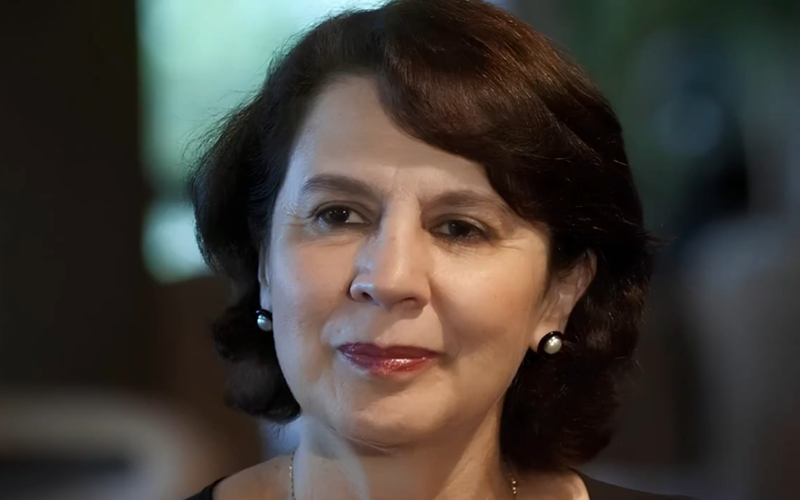

Rosalía Arteaga Serrano condemns the surge in executions and repression in Iran, urges the UN Security Council to address crimes committed during the January 2026 uprising, and backs a democratic transition based on popular sovereignty.
Arteaga warned that the scale of human rights violations in Iran demands concrete measures rather than expressions of concern. She cited Amnesty International figures reporting at least 2,167 executions in Iran during 2025, accounting for approximately 75 percent of all executions recorded worldwide that year.
She also highlighted the continued use of death sentences against political prisoners, alongside arbitrary arrests, torture, denial of fair trials, and intimidation of prisoners’ families.
🔵کنفرانس به مناسبت روز جهانی علیه حکم اعدام، دکتر روزالیا آرتئاگا سرانو
کنفرانس بهمناسبت ۱۰ اکتبر روز جهانی علیه اعدام با حضور شخصیتهای برجستهٔ سیاسی و حقوقدانان
نه به اعدام در ایران: ضرورت حسابرسی از سردمداران رژیم
ارجاع پرونده جنایات رژیم به شورای امنیت سازمان مللسخنرانی… pic.twitter.com/kA0tCowiza
— Simay Azadi (@simayazaditv) October 11, 2026
January 2026 Uprising Highlights the Scale of Repression
Arteaga pointed to the killing of thousands of protesters during the January 2026 uprising and the subsequent crackdown as evidence of the severe risks faced by Iranians who challenge the ruling system.
Despite the repression, she said, protests and expressions of dissent have continued among workers, retirees, nurses, students, and other sections of society. She expressed solidarity with those who continue to demand change despite the risks of arrest and punishment.
Women, she emphasized, have played a particularly significant role in the struggle for freedom. Because discrimination against women is embedded in Iran’s governing structures, she argued, gender equality cannot be separated from the broader demand for democratic change.
For Arteaga, protecting human rights in Iran requires defending both the immediate rights of those facing persecution and the right of the population to participate freely in shaping the country’s political future.
Calls for an End to Executions and Accountability
Arteaga urged governments and international institutions to demand the immediate suspension of executions, the unconditional release of political prisoners and detained protesters, and independent access to Iran’s prisons.
She also called for accountability for torture, unlawful killings, and crimes against humanity, stressing that senior officials must not remain beyond the reach of justice.
In particular, she urged the United Nations to address the repression surrounding the January 2026 uprising and other serious crimes, including through the UN Security Council. Such action, she argued, is necessary to challenge the impunity enjoyed by those responsible for human rights violations.
Her appeal places international scrutiny and accountability at the center of efforts to prevent further executions and protect those detained for political reasons.
Maryam Rajavi’s Ten-Point Plan and a Democratic Future
Arteaga also emphasized that international policy toward Iran must look beyond the immediate human rights crisis. She expressed support for Maryam Rajavi’s Ten-Point Plan, identifying its provisions as principles for a democratic Iran.
The plan calls for free elections, political pluralism, separation of religion and state, full gender equality, equal rights for ethnic and religious minorities, an independent judiciary, and the abolition of the death penalty. It also envisions an Iran living in peace and friendship with neighboring countries and the international community.
Arteaga argued that Iran needs neither war nor a policy of appeasement, but a democratic republic freely chosen by its people. She urged the international community to support the Iranian people’s demand for such a transition and stand alongside those risking their lives for freedom.
Her central message was that ending executions and securing accountability must go hand in hand with defending the Iranian people’s right to establish a political system based on popular sovereignty, equality, and democratic freedoms.