


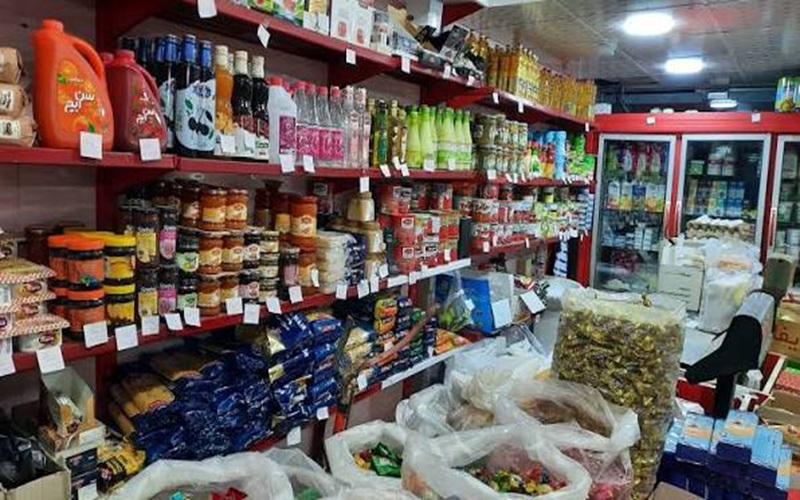

Bread prices surge by as much as 250 percent, while farmers receive low prices for their produce and consumers face mounting costs across essential goods
Iran’s escalating cost-of-living crisis is widening the gap between official inflation figures and the daily experience of households struggling to afford basic necessities. From bread prices rising by as much as 250 percent to sharp increases in household products and agricultural inputs, mounting costs are eroding purchasing power while wages struggle to keep pace.
In October 2026, the regime reported annual inflation of 89.5 percent. Yet price increases documented by consumers suggest that the pressure on household budgets is far more severe in several essential categories. The contrast raises questions about whether official indicators adequately reflect the costs families face when purchasing food, hygiene products, and other necessities.
The crisis is not limited to consumers. Farmers say they are squeezed between low prices for their produce and the rising cost of fertilizers, pesticides, and other inputs. Meanwhile, the substantial gap between production and retail prices for some goods points to broader problems in distribution and pricing.
Bread prices surge as household purchasing power collapses
Bread, one of the most basic items in the Iranian diet, has become another symbol of the growing economic strain.
Consumer accounts from late October describe sharp increases in the price of bread and bakery products. One reported example involved bread rising from 20,000 tomans to 70,000 tomans—a 250 percent increase. The price of baguettes reportedly climbed from 12,500 tomans each to 30,000 tomans, bringing the cost of four loaves to 120,000 tomans.
Such increases are particularly damaging because bread is a staple that households cannot easily eliminate from their budgets. When its price rises sharply, families must either spend more on basic food or cut back elsewhere.
The reported increases also illustrate the limitations of relying on a single headline inflation figure to describe the economic pressures facing ordinary people. Annual inflation measures the change in prices across a defined basket of goods and services over a year. Individual products can rise much faster, particularly when supply costs, pricing decisions, or other market pressures affect specific categories.
Nevertheless, when steep increases spread across multiple essentials, the cumulative effect can leave households with substantially less purchasing power than official averages suggest.
Farmers face rising production costs and low prices for their crops
The economic pressures extend to the agricultural sector, where farmers describe an imbalance between the prices they receive for their produce and the costs they must pay to continue production.
One farmer reported that purchasing chemical fertilizer now costs approximately 11 million tomans. Such expenses can place considerable pressure on producers, particularly when they have limited control over the prices at which their crops are sold.
Farmers also described frustration over the low prices offered for agricultural products. One example involved nine kilograms of apples purchased from a farmer at 10,000 tomans per kilogram, bringing the total to just 90,000 tomans.
The disparity between farm-gate prices and the prices consumers encounter in retail markets raises questions about how value is distributed along the agricultural supply chain. Farmers may receive little for their labor and harvest while consumers still face high prices in shops.
The contrast becomes more pronounced when agricultural inputs become increasingly expensive. Producers must pay more to cultivate their land while struggling to secure prices that adequately cover their costs.
This creates a damaging cycle: farmers face pressure on their incomes, production becomes more financially difficult, and consumers remain exposed to rising food prices. Without reliable access to affordable inputs and a pricing structure that allows producers to cover their expenses, both agricultural livelihoods and household food budgets remain vulnerable.
Production and retail prices reveal a widening disparity
The gap between production and retail prices is also evident in other consumer goods.
A reported example involving a package of pizza cheese listed a production price of 283,250 tomans and a retail price of 615,000 tomans. The retail price was more than double the stated production price, a difference of 331,750 tomans.
The figures raise questions about the contributions of distribution, transportation, intermediary margins, and other costs to the final price. The available example does not establish how much each factor contributes, but the disparity illustrates why consumers may experience price increases that are difficult to reconcile with their incomes.
Vehicle prices provide another comparison. A car reportedly sold in Azerbaijan under the name Khazaraldi for approximately $9,000 was said to cost more than $20,000 in Iran.
Such comparisons involve different markets and may reflect differences in taxation, import restrictions, supply, and other costs. However, the reported price gap highlights the financial burden facing Iranian consumers in a market where access to goods can be constrained and prices can substantially exceed those in other countries.
For households already struggling with food and utility expenses, high prices for durable goods further limit their ability to save, replace essential items, or improve their living standards.
Household products become increasingly unaffordable
Price increases in household and hygiene products add another layer of pressure.
Consumer reports from early November described the price of windshield washer fluid rising from 223,000 tomans to 227,000 tomans and then to 280,000 tomans within a short period. Laundry detergent reportedly increased from 350,000 tomans to 430,000 tomans.
These examples illustrate how repeated price adjustments can affect consumers even when individual increases appear manageable in isolation. Families purchasing multiple products must absorb the combined impact of increases across food, cleaning supplies, personal care items, and other necessities.
The central problem is the mismatch between rising prices and household incomes. Consumers cannot maintain their previous standard of living if the cost of basic goods rises substantially faster than their wages.
The burden is especially severe for workers and pensioners whose incomes are fixed or adjusted infrequently. Each increase reduces the amount of money available for other expenses, forcing families to make increasingly difficult choices.
Official inflation figures fail to capture the full pressure on families
The regime’s reported annual inflation rate of 89.5 percent contrasts with consumer accounts describing much larger increases in specific products. The same reports questioned monthly inflation figures of approximately 6 to 7 percent, citing examples of individual goods that rose much faster.
These figures must be distinguished carefully. A product’s price increase over a short period cannot, by itself, establish the national monthly inflation rate, which is calculated using a broader basket of goods and services. Nor do selected consumer examples constitute a comprehensive measure of the entire economy.
However, this statistical distinction does not diminish the underlying concern: the prices that matter most to individual households may rise faster than the average rate, particularly when increases are concentrated in frequently purchased necessities.
The relevant question is therefore not simply whether an official inflation figure is mathematically correct under its methodology. It is whether the indicators adequately communicate the loss of purchasing power experienced by different groups, especially lower-income households.
When bread, agricultural inputs, cleaning products, and other essentials all become more expensive, families face cumulative pressure that a headline percentage alone cannot fully convey.
A cost-of-living crisis with no relief in sight
Iran’s inflation crisis reflects more than isolated price increases. The reported figures point to a broader breakdown in the relationship between household incomes, production costs, and the prices consumers ultimately pay.
Farmers struggle with expensive inputs and low returns, while consumers encounter steep retail prices. Workers and pensioners must cover rising expenses with incomes that may not keep pace. The result is an increasingly difficult economic environment in which even routine purchases can require painful trade-offs.
The widening gap between reported inflation and the prices households encounter has become a central measure of the public’s economic frustration. Official statistics remain important for understanding national trends, but their significance must also be assessed against the lived experience of people trying to make ends meet.
For Iranian families, the decisive measure of inflation is not the number announced by the regime. It is how much food, household supplies, and other necessities their earnings can actually buy. As prices continue to outpace purchasing power, that question grows more urgent with every passing month.