


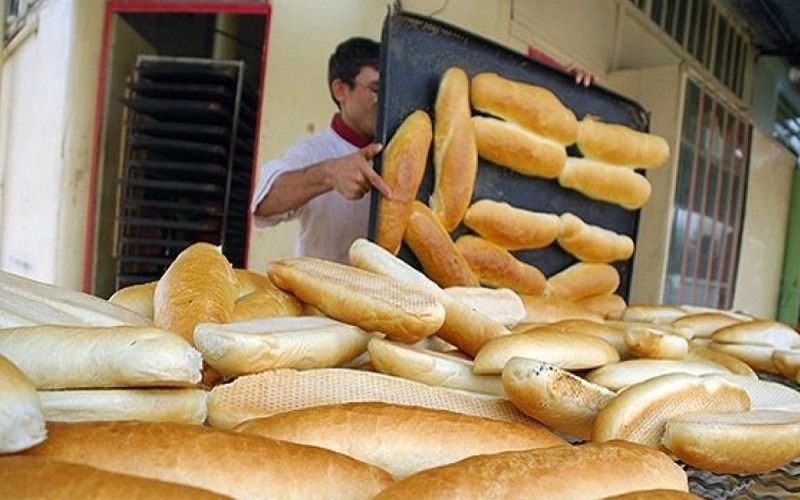

As Iran grapples with deepening economic challenges, the cost of both traditional and specialty breads has surged sharply in recent months, placing additional strain on households and sparking protests among bakery owners.
A recent market review reveals that since February 2025, the price of so-called “fancy” or industrial breads has nearly doubled. In just three months, the cost of a standard baguette rose from 19,000 tomans to 29,000 tomans by April, and now stands at 35,000 tomans.
This rise coincides with two major policy shifts: the reduction of flour subsidies for bakeries and the delegation of bread pricing authority to provincial governors. These changes have fueled widespread confusion and price hikes, especially for traditional breads, with some provinces reporting prices that have doubled since the beginning of June.
Mohammad Jalali, a member of the Iranian Parliament’s Agriculture Commission, defended the move, stating that governors now have the authority to raise bread prices in response to local increases in fuel or insurance costs. He argued this decentralization aims to prevent “disorder in pricing and arbitrary increases.”
However, critics argue that the policy shift is deepening instability rather than curbing it. Morteza Sadeghi Hosseini, a representative of the Iranian Chamber of Trade Unions, warned that delayed subsidy payments and persistent technical issues with the Smart Bread Management System (Nanino) have pushed many bakers to the brink of bankruptcy.
These developments illustrate how bread pricing is now entangled in a web of broader economic distress. The elimination of flour quotas, combined with inflation, energy shortages, and systemic mismanagement, is threatening one of Iran’s most basic food staples.
According to paragraph B of Note 13 in the 2025 national budget, the government expects to generate 20 trillion tomans from the sale of both subsidized and unsubsidized flour. Yet this revenue projection comes at a cost to bakery owners, many of whom are now caught between rising production expenses and limited government support.
Part of the current disorder stems from President Massoud Pezeshkian’s broader decentralization agenda. His administration has extended significant decision-making authority to provincial governors, allowing them not only to set local bread prices but also to independently impose provincial shutdowns.
This redistribution of power has left bakery units—both traditional and industrial—facing altered quotas, rising energy costs, and frequent power outages. As operational costs climb, many bakeries are no longer able to sustain themselves under the new policies.
By shifting the burden of bread pricing to local officials, the central government appears to be distancing itself from direct accountability. Yet this maneuver has not gone unnoticed. Protests by bakery workers have escalated in recent weeks.
On Saturday, May 17, bakers in cities including Isfahan, Ahvaz, Birjand, Kermanshah, Qom, Shahinshahr, and Mashhad took to the streets. The demonstrations expanded, and on May 21, specialty bread bakers in Yazd joined the movement. By May 24, security forces had violently dispersed a protest in Mashhad, but the unrest persists.
The root of the bakers’ discontent is clear: under current government policies, their income no longer covers production costs. This financial pressure, exacerbated by the ongoing energy crisis and erratic subsidy payments, threatens to dismantle a key part of Iran’s food economy.
As the protests continue, they signal not only resistance from a vital segment of the labor force but also a growing crisis at the intersection of economic mismanagement and political decentralization. Bread, a symbol of stability in Iranian life, has now become a flashpoint for national frustration.