


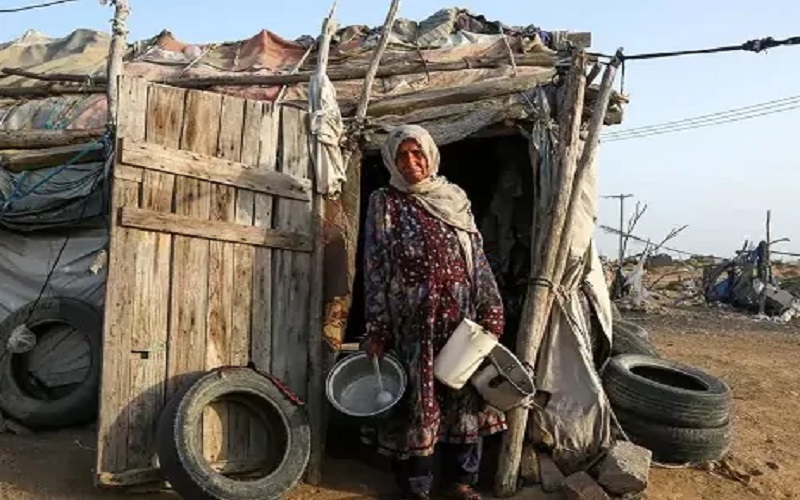

A recent analysis of official statistics from the Iranian Parliament Research Center reveals that at least 30% of the country’s population lives in absolute poverty. However, available data suggests that the number of people below or near the poverty line exceeds the officially reported figures.
A report published in November 2023, though questioned by some experts, indicates a rise in the poverty rate from 2022 to 2023, reaching 30.1%. The Research Center identifies 2017 (1396 in the Iranian calendar) as the beginning of a consistent upward trend in poverty. The highest recorded rate occurred in 2019, when 31% of the population fell below the poverty line. Before 2017, the rate remained around 20%, but it has since climbed steadily.
While one-third of Iran’s population struggles with absolute poverty, the wealth of a small, high-income minority has increased significantly. This minority, largely affiliated with the regime, enjoys disproportionate benefits.
Wealth Distribution in Iran: A Complex Picture
According to the Credit Suisse Research Institute, Iran’s 58.6 million adults collectively possess a total wealth of $2,292 billion, placing the country 23rd globally in terms of total wealth. However, this figure can be misleading. Iran ranks 17th worldwide in adult population, meaning wealth per capita offers a more accurate perspective. On this metric, Iran ranks 66th out of 171 countries, with an average wealth of $39,000 per adult.
In comparison, the United States leads with $146 trillion in total wealth, followed by China ($85 trillion) and Japan ($26 trillion). When wealth is measured per adult, Switzerland ranks first with $697,000, followed by Luxembourg, the United States, and Australia, all exceeding $550,000 per adult.
Wealth distribution in Iran is starkly unequal. Approximately 45% of Iranian adults have less than $10,000 in assets, while 48% possess between $10,000 and $100,000. This means that over 93% of Iranians hold assets worth less than 3.3 billion tomans ($43,000) at current rates. Only 6.5% of adults have assets between $100,000 and $1 million, and a mere 0.3% own more than $1 million. These figures translate to approximately 4 million Iranians with assets exceeding $100,000 and 147,000 individuals surpassing the $1 million mark. In 2021, Iranians ranked seventh globally in terms of growth among the top 1% of the world’s wealthiest individuals.
Rising Class Inequality
Iran has become a country defined by significant class disparities. Despite legal obligations for the government to increase wages above the inflation rate, salary adjustments have lagged far behind inflation, further impoverishing a substantial portion of society. Each year, the lower-income class becomes poorer while the wealthy continue to amass more resources.
In European countries, robust taxation systems prevent extreme wealth accumulation, enabling proportional income distribution. In Iran, however, the absence of such measures has led to a ballooning cost of living. Housing, a key indicator of inequality, highlights this disparity. Experts believe that many Iranians would need over 100 years of full income savings to afford a home, while multi-million-dollar properties continue to proliferate, particularly in Tehran’s affluent northern districts.
Economic and Social Consequences
Net national income per capita—a key measure of economic well-being—has declined sharply. In 2011, each Iranian’s share of the gross national product was approximately 8 million tomans, which adjusted for inflation rose to 110.5 million tomans by 2021. However, the continued devaluation of the national currency and declining purchasing power have reversed this trend, leaving the indicator at an alarming low by late 2023.
This economic disparity exacerbates poverty and leaves half of the population reliant on renting their homes due to skyrocketing housing prices. The widening class gap has severe implications, including reduced life expectancy, increased emigration of skilled labor, and declining productivity. Wealth concentration in the hands of a few—fueled by corruption, rent-seeking, and cronyism—undermines social cohesion and economic stability.
A Looming Crisis
As inequality deepens, so does a pervasive sense of injustice and social frustration. Visible signs of economic disparity, from luxury cars on Tehran’s streets to multi-million-dollar mansions, contrast starkly with the struggles of ordinary Iranians. This growing divide not only erodes motivation and economic productivity but also stokes social anger, setting the stage for potential unrest.
Without significant reforms to address income inequality, housing affordability, and systemic corruption, Iran risks further entrenching class divisions and destabilizing its social fabric.