


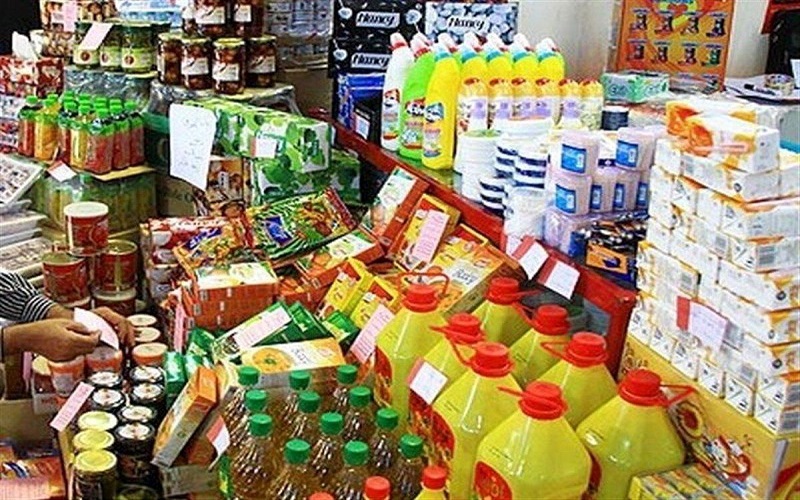

The Iranian economy is grappling with a significant rise in food prices, further exacerbated by changes in the exchange rate and a $3 billion reduction in the budget allocated for importing essential goods. Afshin Sadrdadres, the CEO of Iran’s Light Livestock Union, has warned of a sharp increase in the price of meat and other food products in the coming year. Speaking to the “Charsouq” website, Sadrdadres predicted that the rising cost of red meat would also lead to reduced consumption among Iranians.
Red Meat Prices and Market Trends
Despite efforts to control prices through imports, the cost of red meat continues to climb. According to Sadrdadres, these imports have failed to stabilize the market, and prices remain on an upward trajectory. The broader implications of this trend are reflected in warnings from experts that food inflation could surpass 40% next year, further diminishing access to basic necessities for many Iranians.
Impact of Currency Devaluation
Adding to the economic strain, Mohsen Zanganeh, deputy head of the 2025 Budget Consolidation Commission, announced that the government plans to adjust the “preferred currency” rate. The current target is 38,500 tomans, with an anticipated rise to 40,000 tomans by next year. This devaluation is expected to offset any salary increases in the first month of 2025, neutralizing gains for workers and exacerbating economic hardship.
Electronic Coupons to Address Poverty
In response to escalating poverty and declining purchasing power, Iran’s parliament has approved the distribution of electronic coupons for essential goods. This initiative aims to support at least 50% of the population as part of next year’s budget. However, officials warn of the social and security risks associated with price hikes. Mostafa Pourdehghan, a member of the Parliament’s Industries and Mines Commission, described the upcoming year as “difficult,” emphasizing that governmental policies carry severe consequences for prices and social stability.
Decline in Meat and Dairy Consumption
Economic pressures have already led to a significant decline in red meat consumption. Deputy Health Minister Alireza Raisi reported that per capita meat consumption in Iran stands at 35 grams per day—less than half the global standard of 75 grams. Dairy consumption has also seen a dramatic drop, with daily fiber intake falling short of recommended levels. Raisi’s remarks highlight the growing nutritional challenges faced by Iranians amid rising food prices.
Criticism from Experts
Prominent figures have voiced concerns over the escalating prices. Isa Kalantari, former Minister of Agriculture, criticized the government’s handling of the crisis, noting that the price of red meat in Iran is now four times the global average. He lamented the policymakers’ inability to ensure basic calorie needs for citizens, stressing that meat prices globally hover around $5 per kilogram.
Economist Hossein Raghfar also expressed alarm over market chaos, attributing the disorder to poor governance and inconsistent policies. Writing for the Khabar Online website, Raghfar condemned the government’s focus on regional and military crises, which he argued detracts from addressing domestic economic instability. He cited examples such as a dramatic rise in the price of butter and the scarcity of basic goods as evidence of systemic failures.
Concerns Over Energy Policies
The government’s proposed increase in energy prices, including gasoline, has drawn criticism from officials and experts alike. Salman Zaker, a member of parliament, warned that raising gasoline prices could trigger a domino effect, driving up the cost of other essential items. He noted that current living conditions are already dire, with high prices placing unbearable pressure on households.
Regional Wage Policies Spark Debate
Amid these challenges, debates around implementing regional wages have resurfaced. State-run news agency ILNA reported that proposals to regionalize wages—backed by employers and government agencies—have gained traction in recent years. Critics argue that such policies could have severe economic, social, and security consequences. Despite these warnings, proponents of regional wages continue to push the agenda, particularly in the context of subsidy reforms and labor negotiations.
Conclusion
As Iran faces mounting economic challenges, the regime’s policies have sparked widespread criticism. Rising food and energy prices, coupled with declining living standards, paint a bleak picture for the year ahead. While initiatives like electronic coupons may provide temporary relief, experts warn that comprehensive reforms are essential to address the underlying causes of inflation and economic instability. Without decisive action, the gap between policymakers’ decisions and the realities faced by ordinary Iranians is likely to widen further.