



Rising food prices and shrinking subsidies put millions of low-income Iranians under severe pressure
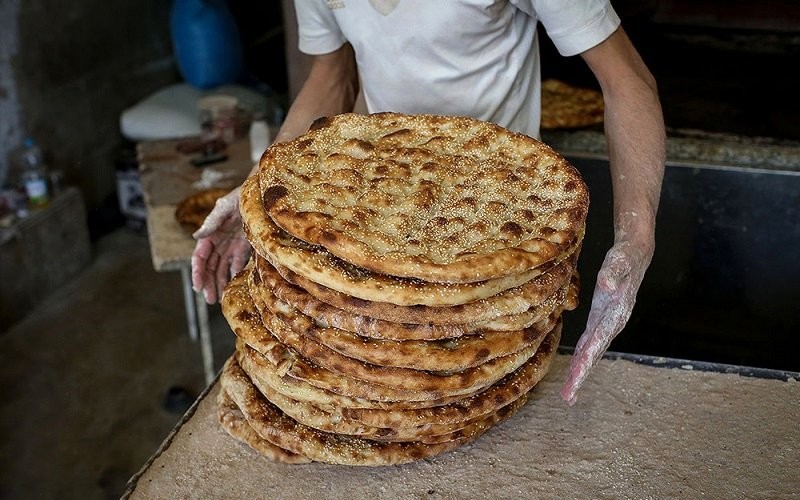
The latest data from Iran’s Statistical Center show that year-on-year inflation for bread and grains in October 2025 reached its highest level since July 2022, with bread prices estimated to have nearly doubled. Reports by the economic news site Eco Iran indicate that monthly inflation for bread and grains has risen sharply since January 2023, climbing from around three percent to almost seventeen percent in July 2025, marking the highest point in three years. In most months, the inflation of bread and grains has exceeded overall inflation, signaling significant financial strain on the country’s poorest households.
In recent months, bread prices have been officially increased under the authorization of the Pezeshkian government. One of the latest price hikes occurred in Mashhad, where, according to the head of the Mashhad Bakers’ Union, government-regulated bread prices rose by fifteen percent. Some reports suggest this increase may soon extend to other provinces, raising concerns over broader food accessibility.
Access to essential food items has become increasingly difficult for the lower-income segments of society. Ahmad Esmaeilzadeh, Director of the Office for Community Nutrition at the Ministry of Health, stated on November 20, 2025, that the rising cost of food has made it “difficult and limited” for households in the first to fifth income deciles to obtain essential nutrition. He noted that 35 to 45 percent of families are now consuming fewer vegetables, dairy products, and other basic foods than required, directly due to soaring prices. While the Ministry of Health has no authority over price regulation, Esmaeilzadeh emphasized that other responsible bodies, including the Ministries of Agriculture and Industry, must monitor the market and address disruptive actors to improve the availability of essential goods.
The impact of rising food costs is not limited to nutrition. Labor representatives have highlighted the severe financial pressures on working families. On November 18, officials from government-recognized labor unions criticized the cost of living and the insufficient wages of workers, pointing out that food inflation has reached 64 percent. Ali Khodaei, a member of the Supreme Labor Council, warned that current wages barely cover ten days of basic expenses. Earlier, economist Hossein Raghfar noted that approximately 10 percent of Iran’s population is currently undernourished or hungry. Continuing the present trend, he warned, could push the proportion of people living in poverty to around 40 percent of the total population. He emphasized that the seven million Iranians already suffering from food insecurity cannot meet their caloric needs even if they devote all their income to food.
Compounding the crisis, the government continues to remove citizens from the list of cash subsidy recipients. In October 2025, an additional 438,000 people were excluded from receiving subsidies, reducing the total number of recipients to just under 42 million. Experts warn that this ongoing reduction will further limit low-income households’ access to basic food items, leaving families with smaller meals, less meat and dairy, and deeper food insecurity.
These developments reflect the longstanding economic mismanagement of the Iranian regime. Coupled with chronic inflation and ineffective social support mechanisms, the surge in food prices has intensified hardship for millions of Iranians, deepening inequality and eroding household resilience against the growing economic crisis.