


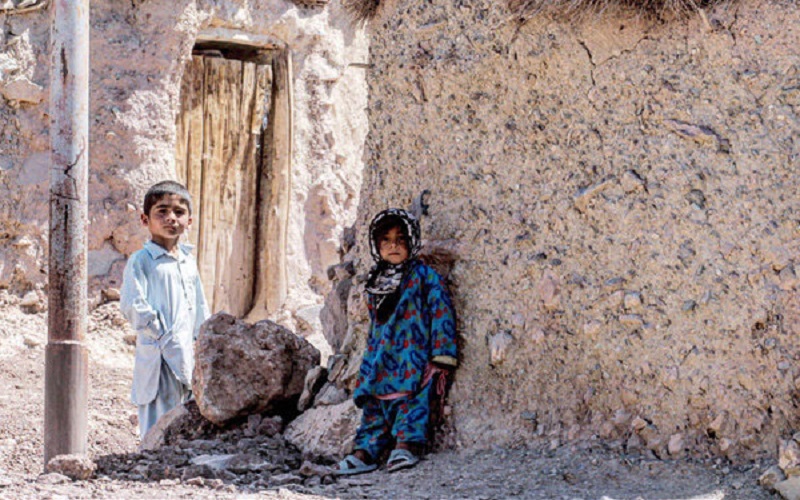

The Central Bank of Iran’s latest report on household budgets in 2024 reveals alarming statistics. The average annual gross expenditure for an urban household was over 340 million tomans, equivalent to approximately 28.5 million tomans per month, marking a staggering 48.3% increase compared to 2022. This significant rise highlights a growing disparity between incomes and expenses in Iranian society, as the minimum wage in 2024 stood at only 5.308 million tomans.
Inflation and Expenditure Trends
Amid an annual inflation rate of around 52%, as announced by the Central Bank, the report identifies housing as the largest expense for Iranian families, accounting for an average of 34.7% of total spending. Food followed closely at 29.9%, reflecting a 44% increase in household budgets compared to 2022. These figures underscore a sharp decline in purchasing power, particularly given that workers’ salaries increased by only 27% in 2022. The average urban household size in this report is 3.29 people.
Breakdown of Household Expenditures
Of the total average household expenses in 2023, food and beverages accounted for 29.9%, amounting to 101.7 million tomans. Within this category:
- Meat claimed the largest share (7.87%).
- Fresh fruits accounted for 5%.
- Dairy products and eggs made up 3.8%.
- Fresh vegetables constituted 3.6%.
- Flour, noodles, and cereals represented 2.4%.
- Bread, biscuits, oils, fats, dried fruits, and nuts each contributed 1.1%.
Additionally, tobacco expenses grew by 44.4% compared to 2022, accounting for 0.4% of household spending (1.3 million tomans). Clothing and footwear expenses rose by 48.1%, comprising 3.9% of total gross expenditures (13.3 million tomans).
Housing Costs and Energy Challenges
Housing-related expenses, including water, electricity, gas, and other fuels, accounted for 34.7% of household budgets, amounting to 118.2 million tomans—a 46.9% increase from the previous year. These costs rose despite widespread energy shortages, which caused frequent electricity outages and widespread disruptions to offices, schools, and industries throughout 2023. Iran’s energy imbalance crisis has reached critical levels, further exacerbating household financial strains.
Economic Growth and Declining Purchasing Power
While regime officials have claimed an 8% annual growth target in the 7th Development Plan, the Central Bank’s report shows a sharp decline in economic growth, dropping to 2.7% in the summer of 2023—the lowest level in three years. Other expenditure categories also saw significant increases:
- Household appliances, furniture, and services: 3.9% of total expenses, up 45.6% from 2022.
- Healthcare: 4.9% of total expenses, reflecting a 50.8% increase.
- Entertainment and cultural activities: Only 1.3% of household budgets, indicating that nearly all income is directed towards essential needs like rent, food, and utilities.
Income and Employment Disparities
The report reveals stark income disparities:
- Government employees experienced the lowest income growth (36.8%).
- Second-hand goods sellers saw the highest income growth (52.6%).
A closer look at household employment statistics shows that:
- 25.5% of households have no employed members.
- 53.7% have only one employed member.
- 16.8% have two working members.
- 4% have three or more working members.
These figures illustrate that over three-quarters of Iranian households live in absolute poverty or depend on a single income, further highlighting the economic challenges faced by the population.
Housing Ownership Trends
In 2023, 64.2% of Iranian households were homeowners, while 26.1% lived in rented housing. Additionally:
- 9.4% resided in free housing.
- 0.3% lived in caretaker housing.
Conclusion
Iran’s household budget report paints a grim picture of escalating costs and economic hardship. With inflation outpacing wage growth, and essential expenses consuming nearly all household incomes, the financial strain on Iranian families continues to deepen. The combination of energy crises, declining economic growth, and inadequate income growth underscores the urgent need for structural reforms to address these challenges and provide relief to the population.