


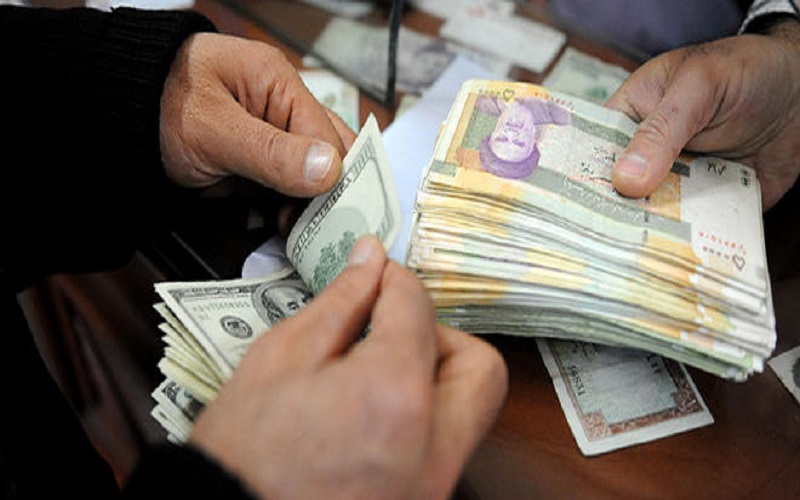

By noon on Wednesday, December 25, the US dollar reached a minimum price of 79,100 tomans in Tehran’s Ferdowsi Bazaar. This marked a continued surge in the value of foreign currencies and the cost of dollar-linked goods, highlighting the accelerating economic challenges faced by Iran.
A Nation in Crisis
While the Iranian regime’s state-controlled media and officials attempt to frame the recent unblocking of WhatsApp and Google Play as a major accomplishment of Masoud Pezeshkian’s government, these efforts fall flat in the face of broader societal and economic issues.
The ongoing censorship of hundreds of websites and social networks, the persistence of guidance patrol forces on the streets, heightened military tensions, and intensifying economic sanctions paint a bleak picture.
Amid these challenges, the rapid decline of the national currency further erodes public trust, casting doubt on the government’s ability to fulfill its electoral promises.
Exchange Rates Soar
In addition to the record low of the rial against the US dollar, other major currencies also saw significant price increases:
- Euro: 82,400 tomans
- British Pound: 100,100 tomans
- Swiss Franc: 89,400 tomans
- Canadian Dollar: 55,200 tomans
- Turkish Lira: 2,280 tomans
- UAE Dirham: 21,700 tomans
- Chinese Yuan: 10,900 tomans
These soaring exchange rates illustrate the systemic economic instability affecting Iran’s financial landscape.
Inflation and Wages: A Growing Gap
The 2025 budget bill includes a proposed 20% increase in worker salaries. However, given the current inflationary environment, the state-run Didban-e Iran website suggests this figure may rise to 30%.
Despite these adjustments, the increase appears negligible compared to the Central Bank’s reported average inflation rate of 52% for basic goods in 2024. This alarming statistic, coupled with the continued rise in currency prices, is expected to exacerbate poverty and worsen the cost-of-living crisis for millions of Iranians.
Expert Analysis: Unplanned Policies to Blame
On Wednesday, December 25, Tabnak published a report titled “Iran Holds the Least Valuable Currency in the Middle East,” highlighting the consequences of mismanagement. According to the report:
“The intensification of the unbridled growth of the dollar rate in recent days and weeks is the result of economic unplanning, the ill-considered statements of the government’s economic commander, and the ineffective policies of the Central Bank and the Ministry of Economy.”
The depreciation of the rial has also sparked widespread concern about purchasing power, dominating discussions among the public, experts, and economic analysts. At the current rate of 79,100 tomans per dollar, the value of one toman has plummeted to just $0.00001264. This stark figure underscores the severity of the economic crisis and the precarious state of the Iranian economy.
A New Low: Comparisons with Syria
The report also noted the disparity between Iran’s currency and those of its regional counterparts. On Wednesday, the Syrian pound was valued at 32 tomans, equivalent to $0.00039. Remarkably, despite Syria’s prolonged civil war and ongoing economic struggles, its currency holds greater value than the Iranian rial. This comparison highlights the magnitude of Iran’s economic decline, which has rendered its national currency the weakest in the Middle East.
Conclusion
The relentless devaluation of the rial reflects deeper structural issues within Iran’s economy, exacerbated by political mismanagement, international sanctions, and internal unrest.