


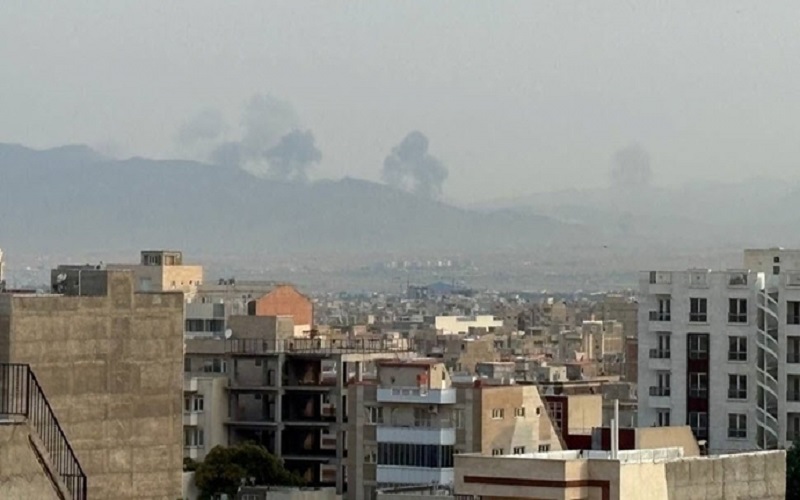

Ceasefire remains fragile amid nuclear uncertainty, cyber threats, and mounting diplomatic pressure.
Summary
On Day 19 following the Iran-Israel ceasefire, Iranian officials continued to reject de-escalation efforts as global powers pushed for renewed diplomacy. Accusations of espionage against workers, nurses, and border porters intensified amid reports of nuclear secrecy, cyber threats, and casualties among security forces. New international developments and tightened internal security regulations reflect a regime preparing for prolonged confrontation.
Diplomacy & International Reactions
-
The G7 foreign ministers issued a joint statement supporting the ceasefire and urging the resumption of verifiable negotiations over Iran’s nuclear program. They also warned against actions that could further destabilize the region.
-
French President Emmanuel Macron held a phone conversation with Iran’s president, emphasizing the need to protect French nationals, resume nuclear and ballistic talks, and uphold the Non-Proliferation Treaty.
-
U.S. State Department spokesperson Tammy Bruce reiterated that the Iranian people control their destiny and emphasized the administration’s readiness to ensure regional peace through all necessary means.
-
Australia announced the closure of its embassy in Tehran, citing security concerns, and urged all citizens to leave Iran. Over 3,000 Australians have requested government assistance for evacuation.
Regime Statements & Ideology
-
MP Gholamreza Tavakol Shourijeh claimed the ceasefire was imposed at the enemy’s request and called for full military alertness.
-
Foreign Minister Abbas Araghchi declared that negotiations with the U.S. will not resume without guarantees against further military strikes. He defended uranium enrichment as a national achievement and vowed swift nuclear recovery.
-
Former Tehran mayor Pirouz Hanachi said the 12-day war was part of a regime-overthrow attempt, citing cyberattacks, assassinations, and infrastructure sabotage.
-
Ali Agha Mohammadi warned of a foreign network of 50,000 trained spies working to destabilize Iran, expressing skepticism about the ceasefire’s permanence.
-
Ebrahim Rezaei, spokesman for the National Security Commission of parliament, dismissed European pressure and said negotiations with the West, especially the U.S., are currently inadvisable.
-
Government spokeswoman Fatemeh Mohajerani acknowledged severe damage to Iran’s nuclear infrastructure, stating the regime is “pursuing war for peace.”
Military & Security
-
Former UN inspector David Albright reported that satellite imagery shows no repair activity at Fordow or Isfahan nuclear sites, though Iranian teams are assessing the damage.
-
Armed Forces spokesperson Abolfazl Shekarchi rejected the idea of ceasing conflict and promised a “crushing response” to any future Israeli attacks.
-
The Director General of the Fars Province Martyrs’ Foundation confirmed the deaths of nine IRGC members, three FARAJA personnel, two army soldiers, a Basij member, a prisons staffer, a municipal employee, and four individuals tied to Iran’s nuclear program in Israeli strikes.
Cyberattacks & Intelligence Threats
-
Iranian regime-affiliated hackers using the pseudonym “Robert” claimed possession of 100 GB of emails from Donald Trump’s inner circle and threatened to release or sell the content.
-
U.S. intelligence agencies issued a joint warning about Iranian cyber threats targeting defense companies, especially those linked to Israel.
-
German prosecutors arrested a Danish national suspected of spying for Iran and conducting reconnaissance on Jewish targets in Berlin, potentially in preparation for attacks.
Economic & Humanitarian Impact
-
Economist Hossein Raghfar estimated that 13 million Iranians lost income due to internet shutdowns during the war, particularly affecting 5 million motorcycle couriers and 8 million ride-hailing workers.
-
Australian officials noted that the Iran-Azerbaijan land border is not a viable escape route for vulnerable individuals, complicating evacuation efforts.
-
Officials of the regime accused truck drivers, nurses, and Kulbars (border porters) of espionage and misinformation during the war. Kulbars were accused of smuggling sensitive drone components, nurses were summoned for interrogation, and truck drivers were targeted for alleged security negligence.
Additional Reports & Notable Developments
-
The British Treasury is investigating nine suspected violations of sanctions linked to Iran’s nuclear program amid concerns over Tehran’s growing influence operations in the UK.
-
Senator Lindsey Graham said recent military actions have delayed Iran’s nuclear ambitions but warned that the regime still seeks to build a nuclear weapon.
-
Bloomberg reported that Iran has fully severed cooperation with the International Atomic Energy Agency, halting inspections and communications. Sources say Iran is now pursuing its nuclear agenda with Cold War-style secrecy.
-
Reza Talaei-Nik, spokesman for Iran’s Defense Ministry, announced that drone regulation laws have passed in parliament. Ownership certificates and flight permits will now be required, and unauthorized drone flights have been criminalized.
Outlook
As Day 19 ends, Iran’s regime remains defiant despite external pressure. With diplomatic engagement stalled, internal crackdowns increasing, and new cyber and intelligence concerns emerging, the post-war landscape remains unstable. The fragile ceasefire risks unraveling amid ideological intransigence and regional tensions.