


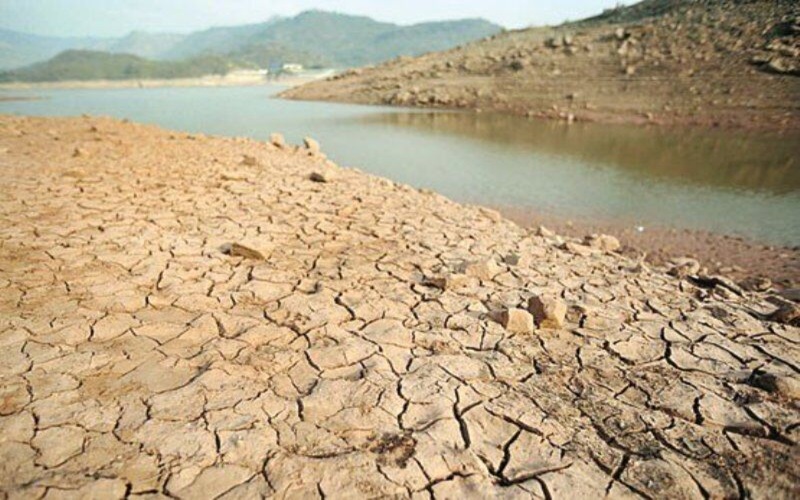

As rolling blackouts and water shortages spread across Iran at the start of summer, the country’s infrastructure crisis exposes years of underinvestment, mismanagement, and governance failures.
With the arrival of summer and temperatures climbing across much of Iran, millions of citizens are once again confronting a familiar reality: prolonged power outages, water shortages, and growing uncertainty over access to basic public services.
Officials attribute the crisis to declining water reserves, rising temperatures, and increased electricity consumption. While these factors undoubtedly place additional pressure on the country’s utility networks, they do not fully explain why shortages have become an annual feature of life in one of the region’s energy-rich nations.
Increasingly, the crisis is viewed not as the inevitable consequence of weather conditions, but as the product of years of inadequate investment, deteriorating infrastructure, and chronic mismanagement.
Blackouts Reach Energy-Producing Provinces
Power outages have already been reported across numerous provinces, including Khuzestan, Ilam, Lorestan, East Azerbaijan, Alborz, Tehran, and several other regions.
The situation in Khuzestan is particularly striking. Despite producing roughly twice the electricity consumed within the province and serving as one of Iran’s most important energy hubs, residents have experienced scheduled blackouts as temperatures surpassed 50°C during the first days of summer.
Elsewhere, residents of Ilam reported electricity cuts lasting up to four hours while temperatures reached approximately 46°C.
In Tehran, prolonged daytime outages have disrupted everyday life, particularly for those living in apartment buildings where elevators become inoperable during blackouts. Elderly residents, individuals with disabilities, and families with young children have been among those most severely affected, turning a temporary loss of electricity into a significant mobility and safety issue.
Frustration has mounted as citizens warn that continued disruptions risk fueling broader public anger at a time when economic hardship already dominates daily life.
Water Shortages Compound the Crisis
The electricity shortages have intensified another long-standing challenge: access to water.
Iran’s water distribution system depends heavily on electrically powered pumping stations. As electricity supplies become unreliable, water delivery is disrupted as well, creating cascading failures that affect millions of households.
Residents of Bumahen have reported having access to running water for only limited periods during the previous week. Similar conditions have emerged in Shahriar, where some neighborhoods endured three consecutive days without water, while repeated attempts to obtain assistance from local authorities reportedly resulted only in automated responses and case numbers.
In Qods, west of Tehran, residents described water supplies being cut from mid-afternoon until early the following morning, leaving families without access to one of the most basic necessities for extended periods.
Communities in Ilam have also experienced prolonged interruptions, with some neighborhoods reportedly remaining without water for several consecutive days.
For households already coping with extreme summer temperatures, the simultaneous loss of electricity and water has transformed daily routines into a struggle to meet even the most basic needs.
Citizens Question Official Explanations
Government officials continue to point to reduced rainfall, shrinking reservoir levels, and increased consumption as the principal causes of the shortages.
Many citizens, however, argue that these explanations overlook the structural causes of the crisis. They contend that authorities have failed to modernize aging infrastructure, expand generation capacity, maintain water networks, or invest adequately in long-term resilience.
Rather than addressing these shortcomings, officials have frequently focused on urging households to reduce consumption, placing responsibility on the public while avoiding broader questions about decades of policy decisions.
Higher Bills Despite Deteriorating Services
Adding to public frustration is the growing gap between the cost of utilities and the quality of service.
Many households report paying higher electricity and water bills while simultaneously enduring increasingly frequent interruptions.
In Ahvaz, residents have complained that water bills have risen sharply despite persistent shortages. Some families say they are no longer able to afford the charges, while others report that local authorities have refused requests to restructure outstanding debts into installment payments.
Residents across southern Iran describe a broader deterioration in essential services. Alongside water shortages and recurring blackouts, fuel supplies have also become increasingly difficult to obtain in some areas—an irony not lost on citizens living in provinces that play a central role in the country’s energy production.
A Crisis Decades in the Making
Iran’s recurring utility shortages are not a new phenomenon.
For years, scheduled blackouts have affected both households and industries during periods of peak demand, while water restrictions have become increasingly common in many provinces. What has changed is the frequency, duration, and geographic scope of these disruptions.
The underlying causes extend far beyond seasonal weather.
Since the early 2010s, Iran has struggled to make the level of investment necessary to expand power generation, modernize transmission and distribution networks, rehabilitate aging water infrastructure, and improve system resilience. Years of economic isolation, financial constraints, corruption, and ineffective planning have contributed to the deterioration of critical public utilities.
As a result, the country’s infrastructure now operates with limited reserve capacity, leaving it increasingly vulnerable whenever temperatures rise in summer or energy demand spikes during winter.
Managing Shortages Instead of Solving Them
Rather than implementing comprehensive reforms, authorities have largely relied on temporary measures to manage recurring deficits.
Electricity rationing, scheduled blackouts affecting residential consumers and industry, and restrictions on water distribution have become routine methods of shifting shortages from one season to the next without addressing their underlying causes.
This strategy may temporarily reduce pressure on the national grid, but it does little to restore public confidence or improve the reliability of essential services.
The annual return of widespread blackouts and water shortages suggests that Iran’s utility crisis is no longer a seasonal emergency. It has become a structural challenge rooted in decades of underinvestment and governance failures.
Until those structural deficiencies are addressed, rising summer temperatures will continue to expose not only the fragility of Iran’s infrastructure, but also the growing gap between citizens’ basic needs and the state’s capacity to meet them.