


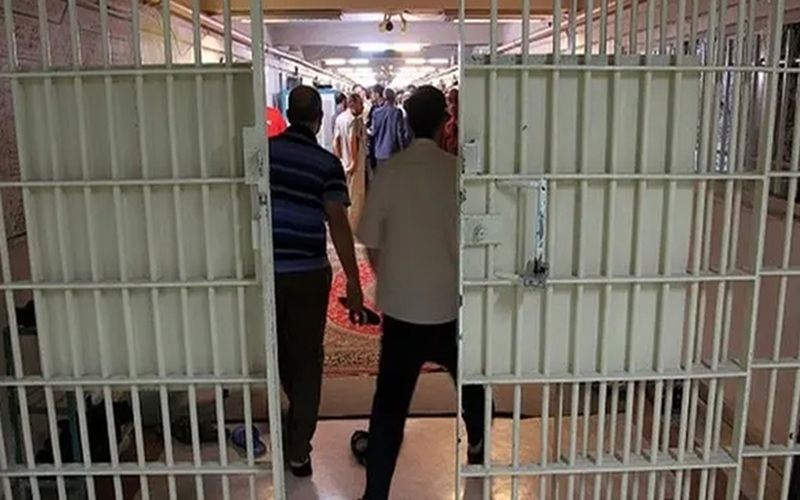

From violent assaults in Evin Prison to systemic corruption in Lakan Prison, deteriorating conditions reveal an escalating campaign to crush political prisoners amid mounting fears of nationwide unrest.
Iran Intensifies Prison Repression as Resistance Persists
Recent developments inside Iran’s prisons point to a significant escalation in the regime’s campaign against political prisoners. Reports of violent raids, worsening living conditions, institutionalized corruption, and the denial of basic necessities suggest that authorities are relying on increasingly harsh methods to silence dissent behind bars.
Rather than isolated incidents, these developments reflect a broader strategy aimed at breaking the morale of political prisoners and preventing prisons from becoming centers of resistance during a period of growing political, economic, and social instability.
Violent Raid on Evin Prison Raises Fresh Concerns
According to a statement released by the National Council of Resistance of Iran (NCRI) on July 31, security forces carried out a violent raid on Hall 5 of Ward 7 in Evin Prison on July 26.
During the operation, prison guards reportedly assaulted prisoners, confiscated personal belongings—including clothing, rings, and prayer beads—and subjected inmates to intimidation. The raid was allegedly conducted under the supervision of senior prison officials, highlighting what opposition sources describe as a coordinated effort rather than an isolated act of abuse.
The reported assault comes amid worsening humanitarian conditions inside Evin Prison, where political prisoners are said to face systematic mistreatment beyond physical violence.
Living Conditions Continue to Deteriorate
Reports from inside Evin describe conditions that have deteriorated to alarming levels.
Political prisoners are allegedly housed alongside inmates convicted of violent crimes, a practice widely viewed as a means of exerting additional psychological and physical pressure.
Health concerns have also intensified. Skin diseases, including scabies, have reportedly spread because of rodent infestations, bedbugs, and other unsanitary conditions, while access to showers has become severely restricted.
Meanwhile, prisoners reportedly face inflated prices at prison stores, where essential goods are sold at several times their market value without transparent pricing or official receipts, creating additional financial hardship for inmates and their families.
Together, these measures appear designed not only to punish detainees but also to undermine solidarity and discourage organized resistance within prison walls.
Corruption Allegations Surface at Lakan Prison
Alongside reports of physical repression in Evin, allegations from Lakan Prison in Rasht point to another dimension of abuse: systemic corruption within Iran’s prison administration.
According to reports, budget allocations intended for prison services and charitable donations have been misappropriated while prisoners have been deprived of basic necessities.
Among the reported practices are:
- The elimination of supplies such as toothbrushes, toothpaste, shampoo, and cleaning products, forcing prisoners to purchase them at inflated prices.
- Reductions in basic food rations, including bread, placing additional strain on inmates’ daily living conditions.
- Allegations that families are pressured into making substantial payments in exchange for legal rights such as temporary leave or parole.
These claims portray a prison system in which financial exploitation has become intertwined with political repression.
Why the Regime Is Escalating Pressure
The simultaneous intensification of violence and corruption across multiple prisons reflects broader concerns within the Iranian regime.
For decades, Iran’s prisons have served not only as detention facilities but also as places where political prisoners have continued to organize, document abuses, and inspire resistance beyond prison walls. Authorities appear increasingly concerned that the resilience demonstrated by political prisoners could encourage broader public opposition during a period marked by economic hardship, political tensions, and widespread social dissatisfaction.
By imposing harsher conditions, the regime appears to be attempting to increase the cost of dissent, isolate imprisoned activists from society, and discourage potential protest movements outside prison.
Growing Calls for International Action
The reported conditions have renewed calls for stronger international scrutiny of Iran’s prison system.
Human rights advocates have urged the United Nations and other international bodies to investigate allegations of abuse, corruption, and deteriorating humanitarian conditions inside Iranian prisons. They have also called for an independent international fact-finding mission to visit facilities such as Evin and Lakan prisons and conduct private meetings with political prisoners without interference from prison authorities.
As reports of abuse continue to emerge, international monitoring is increasingly viewed as essential to protecting the lives, health, and fundamental rights of hundreds of prisoners held across Iran.