


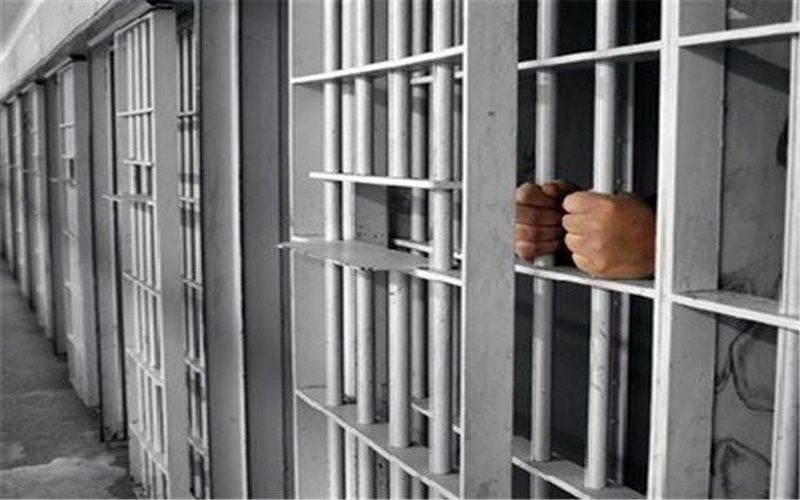

Political prisoners face overcrowding, denial of legal counsel, inadequate medical care, and death sentences, while the regime executes 23 prisoners in just four days.
The Iranian regime is intensifying its campaign of repression against protesters and political prisoners, combining harsh prison conditions, denial of basic legal rights, and a rapidly accelerating wave of executions.
In Ghezel Hesar Prison, 65 detainees arrested in connection with the January uprising are reportedly being held under inhumane conditions in Ward 37, Unit 3. At the same time, the regime executed 23 prisoners across Iran during the first four days of Shahrivar, from August 23 to 26—an average of nearly one execution every four hours.
Taken together, these developments point to a systematic policy of intimidation and repression aimed at containing growing public anger and preventing renewed nationwide protests.
65 January Uprising Prisoners Held Under Inhumane Conditions
The 65 January uprising prisoners detained in Ward 37, Unit 3 of Ghezel Hesar Prison are reportedly being held in conditions far beyond the facility’s capacity.
The severe overcrowding has left prisoners without adequate basic living facilities. They are also reportedly deprived of essential medical care, further worsening already harsh conditions inside the prison.
The detainees are being denied access to legal counsel, while even routine judicial procedures are reportedly being disregarded in their cases. The situation is particularly alarming because several of these prisoners are facing the death penalty.
The 65 prisoners reportedly held in the unit are:
Yaser Rezaeifar, Shahab Zohdi, Abbas Jalili, Amir Tahamtan Arashi, Hossein Amiri, Amir Abbasi, Mohammad Reza Avazi, Seyyed Morteza Haj-Aghamiri, Navid Taherianpour Judi, Mohammad Reza Mohammadi, Shayan Zahrabi, Seyyed Masoud Mahmoudi, Faramarz Asiabi, Barsham Parvati, Mohsen Rezaeizadeh, Behnam Yaser, Salar Jalilvand, Hassan Khedmati, Amir Hossein Taherzadeh, Mohammad Reza Doroudian, Mehran Yaghoubi, Mojtaba Nazari, Houshmand Elyasvand, Yousef Jalili, Fazel Moradi, Fazel Mousapour, Abolfazl Akhavan Estanjin, Reza Ebrahimi Moghaddam, Bijan Aghaei, Ali Allahverdi, Abdolreza Sajedi, Omid Sabili, Jamshid Ebrahim-Doust, Mohammad Moazzami, Ali Shahriari Aghbolagh, Mehrdad Kazem Haghighi, Saeed Safari, Mohsen Afshari, Saber Yousefzadeh, Siavash Nazarpour, Ali Asghar Karimi, Omid Ali Teymouri, Hojjat Ramezani, Seyyed Ali Mirmohammad, Masoud Ghandrou, Mohammad Maskani, Abolfazl Habibollahi, Kamran Fathi, Mohammad Allahdini, Morteza Mohammadi Pouyani, Hossein Esmailzadeh, Ahmad Reza Abbasi, Hossein Shabani, Reza Noorollahi, Amir Abbas Moradi, Saeed Jadidi, Seyran Shabani, Mohammad Reza Tabari, Kamran Vakil, Mohammad Reza Feiz-Faraji, Keyvan Vahedi, Mohammad Mehdi Dalakabadi, Sadegh Hosseini, Morteza Kangarloo, and Amir Ali Hosseini.
The reported conditions are especially concerning given the regime’s continued use of the death penalty against protesters and political prisoners.
23 Executions in Four Days
The situation inside Ghezel Hesar is unfolding alongside a new wave of executions throughout Iran.
During the first four days of Shahrivar—August 23 through 26—the regime executed 23 prisoners, including three women. The pace amounts to nearly one execution every four hours.
On Wednesday, August 26, three prisoners were executed: Mostafa Vosoughi in Khorramabad Central Prison, and Masoud Hemmati and Esmail Ajami in Sari Central Prison.
On Tuesday, August 25, six prisoners were executed. They included two brothers, Saeed and Hamid Najafi, in Ghezel Hesar Prison; Zahra Azizpour and Hedayat Jamalzadeh in Lakan Prison in Rasht; Ali Asghar Salarzehi in Yazd Central Prison; and Omid (Ali Akbar) Shahoozehi in Zahedan Central Prison.
On Monday, August 24, six prisoners were executed: Arezoo Rastad, 23, Saleh Zeidabadi, his nephew Meraat Zeidabadi, and Amir Danaei in Isfahan; Bahram Keshavarzi in Shiraz; and a prisoner identified as Mosayeb in Mashhad Prison.
On Sunday, August 23, in addition to January uprising prisoner Majid Adineh, seven other prisoners were executed: Fatemeh Kamal-Zare in Karaj, Ardalan Sabzi in Maku, Mohammad Ali Kafashi and Hamed Emami in Semnan, Mahmoud Talebi and Hossein Hesari in Vakilabad Prison in Mashhad, and Navid Mohammadpour in Dehdasht Central Prison.
The execution of Majid Adineh is particularly significant because it directly links the latest execution wave to the regime’s treatment of those arrested during the January uprising.
Executions as an Instrument of Political Repression
The combination of mass arrests, degrading prison conditions, denial of legal representation, death sentences, and accelerated executions reflects more than isolated abuses within Iran’s prison system.
The regime has repeatedly used executions as an instrument of fear. By imposing the death penalty on protesters and carrying out executions amid widespread social discontent, it seeks to raise the cost of dissent and deter people from taking to the streets.
The reported treatment of the 65 January uprising prisoners demonstrates the other side of the same strategy. Keeping large numbers of detainees in overcrowded and medically inadequate conditions, while restricting access to lawyers and due process, places prisoners under enormous pressure and leaves those facing death sentences particularly vulnerable.
The timing is also significant. As economic and social grievances continue to fuel public anger, the regime’s reliance on executions and repression appears designed to prevent that anger from developing into another nationwide uprising.
International Action Is Urgently Needed
The Iranian Resistance has again called for an international fact-finding mission to visit the regime’s prisons and meet with political prisoners and detained protesters, particularly those held in Unit 3 of Ghezel Hesar Prison.
It has also called for immediate international action to halt death sentences and secure the release of political prisoners.
The international community and United Nations bodies should urgently investigate the conditions of detainees and prisoners facing execution and demand access to Iran’s prisons for independent observers.
The accelerating pace of executions makes such action increasingly urgent. Twenty-three executions in only four days, alongside reports of 65 January uprising prisoners being held under inhumane conditions, demonstrates the scale of the repression.
For the regime, executions and prison abuses serve the same purpose: creating fear in a society where public anger continues to build.
For the international community, the message should be equally clear. Relations with a regime that maintains a vast execution and repression apparatus cannot be treated as business as usual while protesters and political prisoners remain at risk of torture, death sentences, and execution.