


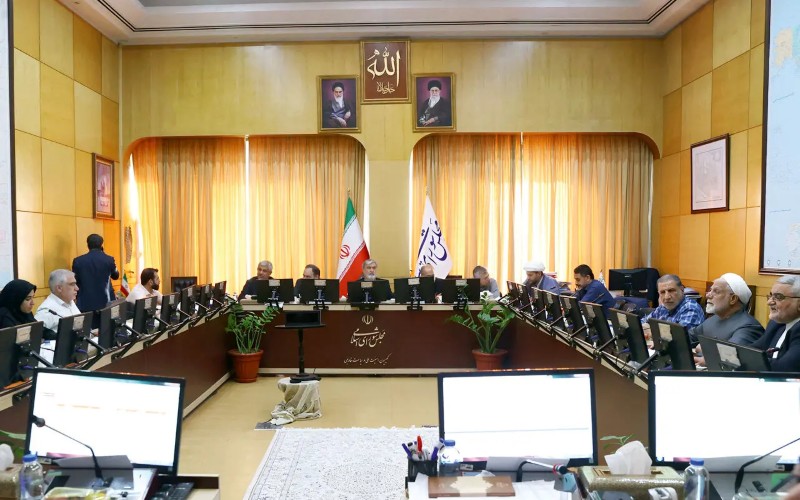

A new parliamentary proposal in Iran seeks to criminalize collaboration with foreign institutions and media, tightening control over society and isolating academia.
A New Tool for Total Control
Iran’s regime appears to be moving toward broader social control through the so-called “Countering Foreign Influence” plan, currently under review by the National Security and Foreign Policy Committee of parliament. Minister of Intelligence Esmail Khatib described the proposal as a framework that could “assist intelligence and security agencies” in monitoring citizens.
The plan, drafted in 19 articles, targets activities deemed connected to foreign intelligence or state institutions, including allegedly collaborating on territorial disputes, foreign scholarships, partnerships with international organizations, or interviews with foreign media. Penalties range from fines and asset confiscation to imprisonment from six months up to 30 years.
Criminalizing Journalism and Academic Collaboration
If approved, the plan will increase arbitrary arrests and foster a climate of fear among students, academics, researchers, and journalists. Self-censorship and intellectual caution are expected to spread rapidly, discouraging international scientific and media interactions. Universities, instead of serving as centers of thought, risk becoming quiet, risk-free zones, while civil society withdraws from public engagement.
Specifically, Article 6 criminalizes interviews with media funded by the U.S. or Israel, imposing up to six years in prison. Article 7 punishes sharing information, including photos or videos, with non-Iranian media or foreign-based individuals with six months to two years imprisonment, potentially longer under certain domestic conditions.
Article 5 further prohibits scientific collaboration with foreign intelligence agencies. A list of approved foreign universities and organizations will be maintained by the Ministry of Intelligence, and working with unlisted institutions could lead to prison terms.
Strengthening Propaganda and Isolating Society
Analysts emphasize that Iran’s regime has long used multiple tools to restrict free information and curb free expression, but the growth of social media and international human rights networks has diminished the influence of official narratives.
With this plan, the government aims to criminalize new categories of professional activity, block independent media and foreign oversight, and consolidate state control over information. Such measures are expected to further weaken academic research, isolate society, and deepen the gap between Iran and the global community.
Historical Pattern of Repression
Iran’s regime has historically responded to internal and external crises by tightening security controls, leaving no room for dissent. The regime’s approach follows the authoritarian principle: “Either with me, or against me.” Differences in discourse are interpreted as hostility, eliminating any middle ground.
Analysts warn that increasing reliance on repression does not resolve legitimacy crises but intensifies distrust, inefficiency, and social tension—a cycle that ultimately contributes to the regime’s instability and potential downfall.