


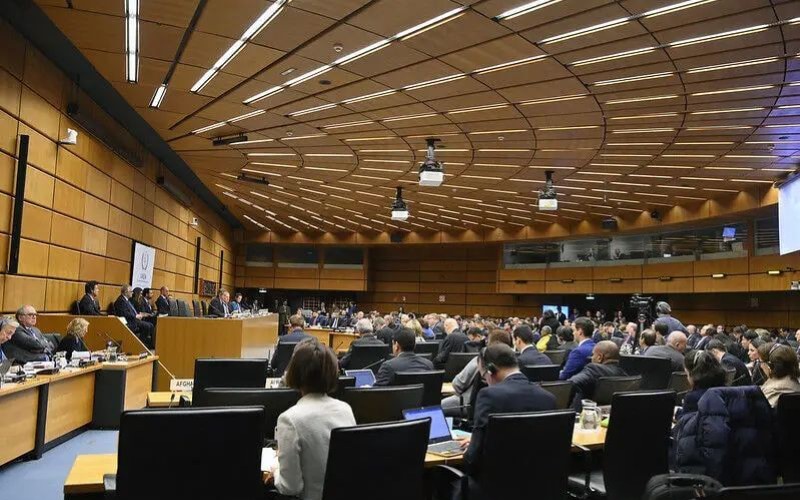

The U.S. and three European powers have proposed a draft IAEA resolution demanding full access to Iran’s nuclear sites and compliance with the Additional Protocol.
Western Powers Push for Transparency
The United States, alongside the United Kingdom, France, and Germany, has submitted a draft resolution to the upcoming IAEA Board of Governors meeting. The resolution calls on Tehran to explain its bombed nuclear facilities and provide full and immediate access to its enriched uranium inventory.
According to Reuters, which reviewed the draft, diplomats expect it to be approved on Wednesday. The resolution follows a critical IAEA report issued last week, which highlighted Iran regime’s ongoing restrictions on inspector access to sites bombed in June and noted that the auditing of uranium stockpiles has been delayed for an extended period.
A Technical but Forceful Resolution
Diplomats have described the draft primarily as “technical,” aiming to provide the IAEA with new guidelines for monitoring Iran regime’s nuclear activities. While the language is measured, it explicitly criticizes Tehran for insufficient cooperation and calls for a “diplomatic solution,” implicitly referring to potential negotiations with the United States.
Crucially, the draft demands that Iran’s regime implement the Additional Protocol—a key component of the 2015 nuclear deal (JCPOA). Tehran signed the protocol in 2003 but never ratified it. It would allow the IAEA broader and more intrusive monitoring, including unannounced inspections of undeclared locations. In recent years, Iran has suspended its implementation, limiting international oversight.
Iran Regime’s Nuclear Transparency Deficit
The resolution specifically points out that Iran’s regime has not reported the status of any of its nuclear facilities or its enriched uranium stocks to the IAEA, including material enriched to up to 60 percent, dangerously close to weapons-grade levels (approximately 90 percent).
The draft states that, Iran must… without delay, provide precise information on the accounting of nuclear materials and safeguarded nuclear facilities in Iran to the Agency, and grant all access necessary for verification.
Tehran Signals Retaliation
The Iranian regime has threatened countermeasures should the resolution be adopted. The mission of Iran to the IAEA warned that approval would negatively affect ongoing cooperation with the agency. Tehran labeled the resolution effort a “major mistake”, underscoring its opposition to renewed international scrutiny and its defiance of Western demands.