



Regime leader invokes “faith and science” to mask military failure and nuclear setbacks as officials admit serious damage
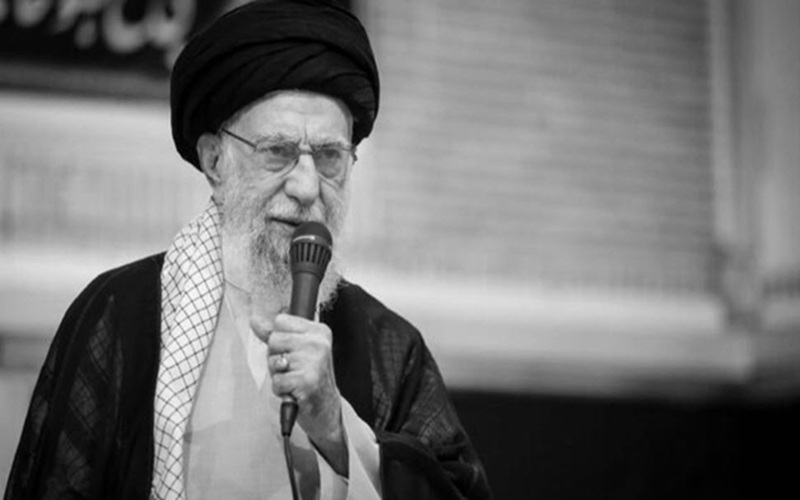
In a striking display of denial and ideological bravado, Iran’s Supreme Leader Ali Khamenei described the regime’s widely criticized performance in the recent 12-day war with Israel as a symbol of “unmatched power, endurance, and stability.” Speaking on Tuesday, July 29, during a ceremony marking forty days since the death of Iranian combatants in the war, Khamenei claimed the regime had shown the world its “strong hand” and that “everyone felt the full power of the Islamic Republic up close.”
The remarks stand in stark contrast to admissions by senior officials, including Foreign Minister Abbas Araghchi, who confirmed in an interview with Fox News that Iran’s nuclear program suffered “serious and heavy damage” during the conflict and is currently “halted.”
Despite these setbacks, Khamenei attempted to reframe the costly war as a triumph. He portrayed the conflict not as a military or strategic defeat but as part of a broader struggle against global opposition to Iran’s religious and scientific values. “What they say about nuclear, enrichment, and human rights is just a pretext,” Khamenei insisted. “The real issue is that Iran will never abandon its religion or its science.”
The regime leader emphasized “faith and science” as the twin pillars of the regime’s national identity and claimed they were the true targets of foreign powers. In his words, strengthening these two elements will enable Iran to “take great strides in diverse fields of knowledge” and reach “the peak of progress and pride.”
Khamenei’s narrative attempted to turn the tables on international critics, suggesting that opposition to the regime’s nuclear ambitions and human rights record was rooted in hostility toward its cultural and ideological model. He insisted that such confrontations were not new and that they would ultimately reinforce the regime’s foundations.
However, Araghchi’s statements painted a different picture. He openly acknowledged that nuclear facilities were significantly damaged by U.S. and Israeli strikes during the war, and that technical assessments were still underway to understand the full extent of the damage. While affirming the regime’s refusal to abandon uranium enrichment, Araghchi admitted that the nuclear program is currently suspended due to the infrastructure losses.
“The enrichment program has suffered extensive damage and is now paused,” he said. “But giving up on it is not an option—it is the product of our scientists and a matter of national pride.”
These contradictory statements expose a widening gap between the regime’s propaganda and its actual strategic capabilities. While Khamenei speaks of “resistance” and “victory,” top officials are quietly acknowledging that the war left Iran’s most sensitive projects crippled.
The recent conflict revealed major vulnerabilities in the regime’s defense systems and strategic infrastructure. Far from projecting strength, the war highlighted the regime’s inability to shield key assets from precision airstrikes. Rather than confront these realities, Khamenei has chosen to double down on ideological rhetoric, aiming to rally demoralized supporters through slogans of religious virtue and scientific progress.
But this messaging campaign may do little to conceal the regime’s internal contradictions. The boastful speeches are unlikely to reassure a population facing daily hardships or the regime’s regional adversaries, who have now seen the limits of the regime’s military deterrence.
By elevating a military setback to a spiritual victory, Khamenei appears to be playing a familiar game—using hollow slogans and nationalistic pride to mask the regime’s failures. Yet, even as he speaks of “unshakable resolve,” it is increasingly clear that the regime’s strategic posture has been weakened, and the gap between the regime’s ambitions and its capabilities has never been more exposed.