


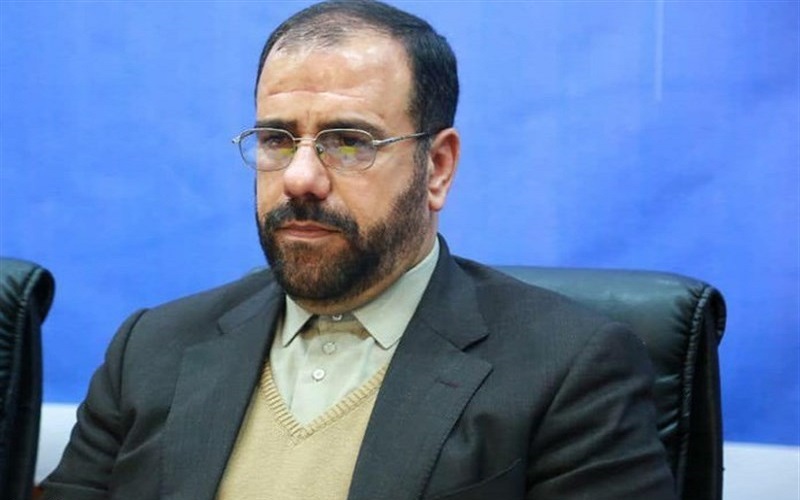

The recent appointment of Hossein Ali Amiri, the former Chief Justice of Fars Province, as the new governor of the region has stirred deep concerns about a resurgence of harsh repression under the Iranian regime. Known for his anti-Jewish stance and heavy-handed judicial rulings, Amiri’s return to Fars, coupled with his infamous history, signals a troubling future for religious and political minorities in the area. His rise through the regime’s ranks is largely attributed to his extreme measures taken against the Jewish community in Shiraz.
A Dark Chapter in Shiraz: The Arrest of Jewish Citizens
The story of Hossein Ali Amiri’s ascent begins over 26 years ago, when he served as the Chief Justice of Fars Province. In the late 1990s, 13 Jews were suddenly arrested in Shiraz on charges of espionage for Israel—a familiar accusation that the Iranian regime has frequently used against Jews and Bahá’ís since the 1979 revolution. The regime provided little to no evidence for these charges, raising international concern and outrage over the arrests.
At the time of these arrests, Iran’s Supreme Leader, Ali Khamenei, was questioning the Holocaust and openly denying the atrocities committed against Jews during World War II. This hostile climate provided the foundation for the regime’s harsh dealings with its Jewish population, and Amiri was one of the main actors in this repressive campaign.
Amiri’s role in the persecution of the Jewish community of Shiraz has earned him a reputation as a key player in the regime’s anti-Semitic agenda. His actions during this period were emblematic of a broader trend of repression, with the regime targeting minorities under the guise of espionage and other fabricated charges.
A Legacy of Repression in Fars Province
Amiri’s recent appointment as governor also brings attention to his actions against the Bahá’í community. In the 1980s, 16 Bahá’í men and women in Shiraz were accused of espionage for Israel, and all were hanged in the city’s Chogan Square. A decade later, the arrest of the 13 Jews followed a similar pattern. These events reflect a clear history of targeting religious minorities, with fabricated charges often serving as a pretext for state-sanctioned violence.
One of the architects behind the arrests and executions in the region was none other than Hossein Ali Amiri, who has now returned to a powerful position in Fars Province. His past actions raise serious concerns that his reappointment will lead to further crackdowns on those deemed a threat by the regime, especially religious minorities.
Asghar Torabpour: A Second Notorious Figure Returns
Amiri is not the only figure from the dark days of repression to resurface in Fars Province. Alongside him is Asghar Torabpour, also known as Haj Majid, a former security chief who played a pivotal role in the brutal suppression of political prisoners and religious minorities during the 1980s. Torabpour was a key figure in the execution of Bahá’ís and political dissidents, particularly during the mass executions of 1988, which claimed the lives of thousands of prisoners across Iran.
For over three decades, Torabpour served as the head of prisons in several provinces, including Fars, Bushehr, and Kohgiluyeh and Boyer-Ahmad. Prisoners from that era recount horrific tales of torture under his watch, especially in Shiraz’s notorious Adel Abad Prison. His name has become synonymous with the regime’s bloodiest years, and his return to Fars, even in retirement, as the Chief of Staff for the province’s blood money (Diya) office, is a chilling reminder of the past.
The Return of Two Enforcers: What It Means for Fars Province
The reinstatement of Hossein Ali Amiri and the continued influence of Asghar Torabpour in Fars Province is a stark indication of the regime’s intent to reassert its authoritarian grip on the region. The pairing of these two figures—both of whom are associated with some of the most brutal chapters in Fars’ history—has raised alarm among human rights advocates and the local population alike.
Amiri, as governor, now holds significant power over the province, and his track record suggests that he may once again resort to repression to maintain control. The involvement of Torabpour in local governance further solidifies this concern, as both men have demonstrated their willingness to employ extreme measures in the name of the regime.
Conclusion
The return of Hossein Ali Amiri as governor of Fars Province, alongside the continued presence of Asghar Torabpour, is a grim reminder of the regime’s repressive tactics against religious and political minorities. Both men have left a legacy of fear and oppression in the region, and their reappearance in positions of power signals that the regime is not only unwilling to reform but is doubling down on its hardline approach. For the people of Fars, particularly Jews, Bahá’ís, and political dissidents, the future looks uncertain and potentially perilous under this renewed leadership.