Sanctions set to automatically return as regime faces economic collapse and rising public despair
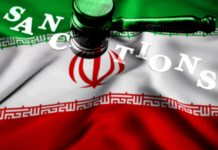
After months of speculation, warnings from experts, and heated debates in international circles, Germany, France, and the United Kingdom have officially activated the JCPOA “trigger mechanism.” The step marks a turning point in relations between the Iranian regime and the international community, opening the way for the automatic reimposition of UN sanctions if no agreement is reached within 30 days.
Unlike 2015, when negotiations centered mainly on the nuclear program, this time the file also includes the regime’s ballistic missile development and its support for proxy groups across the region. The decision effectively resets the situation to a point more critical than before the 2015 nuclear deal, exposing the regime to severe isolation under Chapter VII of the UN Charter.
What the Mechanism Means
The “trigger mechanism,” outlined in Articles 36 and 37 of the JCPOA, allows parties to refer disputes to the UN Security Council if serious violations occur. If the Council does not adopt a resolution to continue sanctions relief within 30 days, all previously suspended sanctions automatically snap back into place. Because the process is based on a “reverse veto,” even permanent members such as Russia and China cannot block it.
The consequences are far-reaching: the reinstatement of arms, financial, missile, and travel sanctions binding on all UN member states, significantly intensifying the regime’s isolation.
Shockwaves in the Economy
While the political implications are significant, the immediate consequences are being felt by the Iranian people. Sanctions already imposed over the past decade have crippled Iran’s economy, but the activation of the trigger mechanism threatens to push it into an even deeper crisis.
The shock was visible even before the formal announcement. On Thursday, August 28, as speculation mounted, gold and currency markets reacted sharply. Domestic outlets reported that the price of one gram of 18-carat gold hit 8,427,000 tomans—a historic record—while the dollar rate soared past 101,000 tomans and continued climbing despite official market closures.
According to the International Deputy of the Iranian Chamber of Commerce, the economy could face catastrophic fallout: the dollar exchange rate rising to 165,000 tomans, inflation surging above 90 percent, unemployment climbing to 14 percent, and economic growth falling to minus 3 percent. Stock market values could drop by as much as $65 billion.
State-controlled media outlets have attempted to dismiss these warnings as “unrealistic,” but the fact that such estimates were even published underscores the growing alarm among experts and business leaders.
The Human Burden
Beyond macroeconomic indicators, the true weight of this crisis will be carried by ordinary Iranians. Years of the regime’s regional adventurism and mismanagement have already hollowed out the economy, leaving households struggling with runaway inflation, eroded savings, and chronic unemployment.
With sanctions snapping back, millions more face deepening poverty, collapsing purchasing power, and further restrictions on daily life. Already, citizens report that the rising cost of essentials has made survival increasingly difficult.
In conversations on the streets, despair is evident. Many Iranians, weary of decades of hardship, speak with resignation. One bitterly remarked: “Black will take no other hue.”
A Nation at a Crossroads
The activation of the trigger mechanism places the Iranian regime on a path of unprecedented pressure. But while regime officials may continue their brinkmanship with the international community, it is the Iranian people—long the victims of failed policies and costly ideological projects—who will pay the highest price.
The coming weeks will reveal whether Tehran chooses further confrontation or bows under the weight of sanctions and international isolation. For ordinary Iranians, however, the crisis has already begun.