


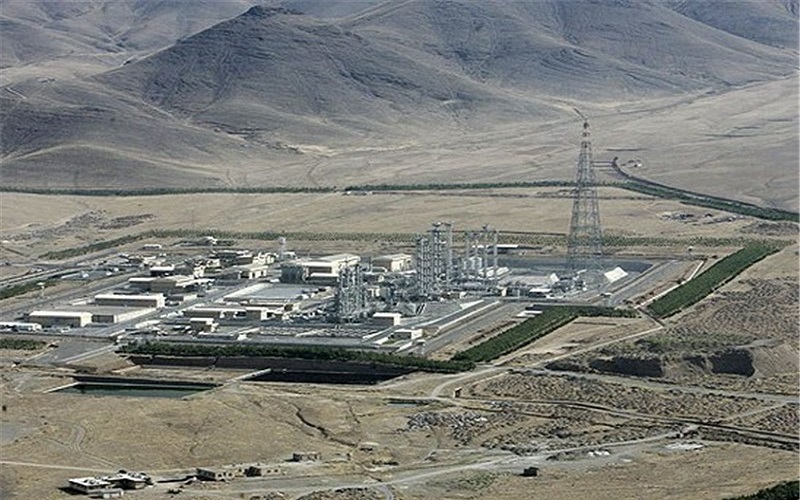

On Monday, June 3, France, Britain, and Germany voiced strong criticism of Iran’s lack of cooperation with the International Atomic Energy Agency (IAEA). This criticism was formalized in a draft resolution presented to the Board of Governors of the IAEA.
The French news agency, citing two diplomats, confirmed the presentation of this resolution, which targets Iran regime’s opaque nuclear activities.
Reuters also reported that the draft resolution called for clarity regarding uranium particles found at three undeclared sites within Iran, echoing similar demands made two years ago.
The resolution raises significant concerns about Iran regime’s refusal to collaborate with IAEA inspectors. Norman Lawrence, a reporter for the Wall Street Journal, quoted a European diplomat confirming the draft’s presentation. Despite these efforts, reports from last week suggest that the United States did not support this resolution.
France, Britain, and Germany—three European nations involved in the Joint Comprehensive Plan of Action (JCPOA)—distributed the draft resolution to the IAEA Board of Governors members last week.
The five-day IAEA Board of Governors meeting commenced on Monday at its headquarters in Vienna, with a particular focus on Iran regime’s nuclear program.
The Director General of the IAEA, Rafael Grossi, expressed his deep regret at the beginning of the meeting, lamenting Iran’s continued decision to bar the agency’s experienced inspectors, despite his recent visit to Tehran.
Grossi highlighted that Iran has increased its stockpile of 60% enriched uranium and has failed to uphold its commitments under the Additional Protocol for over three years, thereby restricting the agency’s access to vital information.
Grossi further elaborated that no progress has been made in resolving the remaining safeguards issues. Iran has not provided valid technical explanations regarding the detection of uranium particles of human origin at the Varamin and Torquzabad sites.
Additionally, the IAEA has been denied information about the current locations of nuclear materials and contaminated equipment.
Diplomats warned last week that failing to issue a resolution against Iran could undermine the IAEA’s authority as a nuclear watchdog and damage the West’s credibility in addressing proliferation risks.
These diplomats believe that France, Britain, and Germany are justified in taking a firm stance against Tehran’s ongoing breaches of non-proliferation obligations.
The last resolution passed by the IAEA Board of Governors against Iran was 18 months ago, demanding immediate cooperation from the Islamic Republic, particularly regarding the clarification of uranium traces found at undeclared sites.
Confidential reports from the IAEA, shared with its members and seen by Reuters, indicated no progress in implementing the March 4, 2023, agreement provisions over the past year.
Tehran continues to obstruct the entry of senior uranium enrichment experts from the IAEA. According to three diplomats, the draft resolution by the European trio focuses on comprehensive investigations into Iran’s nuclear program and is likely to request Rafael Grossi to provide a detailed report on Iran’s nuclear activities, beyond the usual quarterly updates.
In its latest quarterly report, the IAEA noted that Iran has enriched uranium to 60%, an enrichment level close to weapons-grade.
If Iran continues enriching to 90%, it could potentially produce three nuclear bombs. Western powers argue that such enrichment levels have no civilian justification, and the IAEA has stated that no other country enriches uranium to this extent without intending to build nuclear weapons.
The Islamic Republic, however, maintains that its nuclear program is peaceful and denies any intention to produce atomic bombs.
The Danger of Iran’s Nuclear Project for Global Peace
The Iranian regime’s nuclear project poses a significant threat to global peace and stability. The continued enrichment of uranium to near-weapons-grade levels and the lack of transparency with international regulators raise concerns about the potential for nuclear proliferation.
If Iran achieves the capability to produce nuclear weapons, it could trigger a regional arms race in the Middle East, destabilizing an already volatile region.
Moreover, the possibility of nuclear weapons falling into the hands of extremist groups or being used in conflicts increases the risk of catastrophic consequences.
The international community must remain vigilant and united in its efforts to ensure that Iran’s nuclear program is strictly for peaceful purposes, as any deviation could have dire implications for global security.