



In recent days, a series of developments has signaled a deepening stalemate in negotiations between the Iranian regime and the United States, increasing the likelihood of a military confrontation. The prospects for reaching a diplomatic agreement have grown dimmer, while the risk of escalation has become increasingly tangible.
Escalating Rhetoric Between Leaders
The most striking indication of rising tensions is the hardening tone between the leaders of both countries. In a speech last Wednesday, Iran regime’s Supreme Leader Ali Khamenei delivered a defiant message, warning that accepting a deal with the United States would endanger the regime’s survival. He vehemently rejected American involvement in Iran regime’s nuclear program, asserting that uranium enrichment is not Washington’s business.
Just two days later, U.S. President Donald Trump issued a firm response, stating unequivocally that the Iranian regime would never be permitted to enrich uranium. This exchange reflects a significant deterioration in the tone and substance of dialogue, as formal negotiations have come to a halt.
Stalled Negotiations and Broken Channels
At the outset of the talks, there was cautious optimism. Negotiators had envisioned regular meetings—weekly or even more frequent. However, since the fifth round of talks in Rome, no new sessions have been scheduled. In parallel, expert-level meetings intended to support the formal negotiations have also been suspended. This sharp deviation from initial plans suggests a steep decline in momentum.
Currently, no practical proposals have been tabled to break the deadlock. Not only has the Iranian regime rejected the latest U.S. proposal, but it has also shown little interest in Oman’s mediation efforts. Statements by Ali Shamkhani about Iran preparing a counterproposal have yet to materialize. Meanwhile, the U.S. maintains that it has already submitted its offer and now awaits Tehran’s response.
Sanctions Return Amid Renewed Hostilities
Just last week, the U.S. had signaled a willingness to move toward agreement by suspending certain sanctions. However, following Khamenei’s inflammatory remarks, the Trump administration swiftly reversed course, announcing new sanctions targeting the regime’s clandestine financial networks. Among the sanctioned entities was the Zarringhalam family, known for facilitating funding to proxy groups. This move reflects growing American frustration and pessimism regarding the diplomatic track.
In a further sign of escalation, President Trump has nominated Admiral Brad Cooper—a known hawk on Iran—as the new commander of U.S. Central Command (CENTCOM). Cooper, previously head of the U.S. Fifth Fleet in the Persian Gulf, is well-versed in the region’s strategic landscape, including the Islamic Revolutionary Guard Corps (IRGC) naval operations. His appointment underscores growing U.S. readiness for a potential military confrontation.
Proxy Conflicts and Military Preparations
At the regional level, conflicts between Iranian-backed forces and Israel are intensifying. Recent developments include Houthi missile attacks on Israeli territory, rocket fire from Syria into Israel, fresh Israeli airstrikes against Hezbollah in Lebanon, and the transfer of ballistic missiles to militia groups in Iraq. These proxy escalations raise the possibility of a direct Iran-Israel confrontation.
In parallel, media reports reveal that Iran’s regime has once again procured thousands of tons of chemical compounds from China used in the production of solid rocket fuel. This time, the volume is reportedly three times greater than previous shipments—an alarming signal in light of past incidents like the Bandar Abbas explosion. These purchases point to the regime’s ongoing commitment to expanding its missile capabilities.
International Pressure Mounts
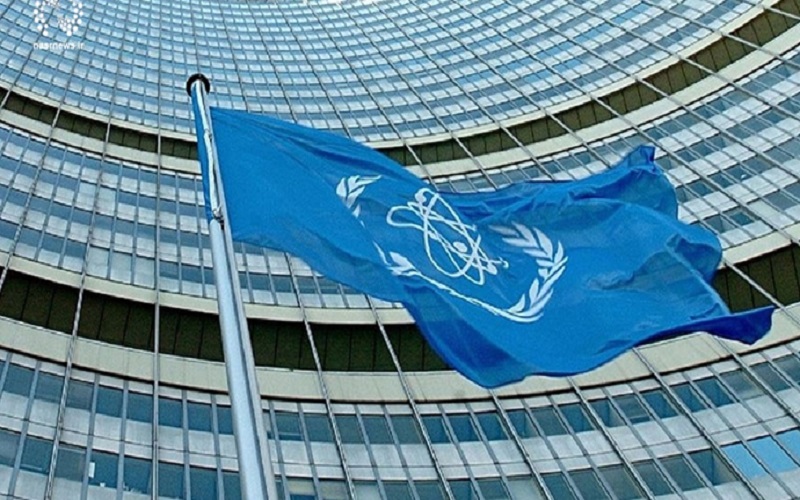
The International Atomic Energy Agency (IAEA) recently issued a report criticizing Iran’s lack of cooperation. In response, Germany, France, and Britain have reportedly drafted a resolution to be submitted at this week’s IAEA Board of Governors meeting. If adopted, it could pave the way for Iran regime’s nuclear file to be referred back to the United Nations Security Council.
Iran regime’s response was swift and threatening. In a tweet, regime’s foreign minister Abbas Araghchi warned that just as past resolutions 20 years ago led to expanded enrichment efforts, new measures could prompt a similar reaction. Though veiled, Araghchi’s comments are widely interpreted as an indirect threat to develop nuclear weapons capabilities.
A Brewing Crisis at Home
Compounding external tensions are growing domestic challenges inside Iran. Power outages, soaring inflation, dwindling government revenues, and widespread public dissatisfaction have pushed the country’s internal situation to the brink. The regime may believe that a U.S. military strike is unlikely, but that assumption could prove dangerously wrong—especially if diplomatic efforts fail entirely and Trump becomes determined to act unilaterally.
Observers warn that the convergence of external pressure and internal unrest could trigger mass protests and deepen the political and social crisis within the country.
Conclusion
The cumulative weight of diplomatic failure, military posturing, and domestic instability suggests that the situation is nearing a tipping point. As hopes for negotiation fade, the path forward looks increasingly fraught—with diplomacy on life support and the specter of conflict looming larger than ever.