


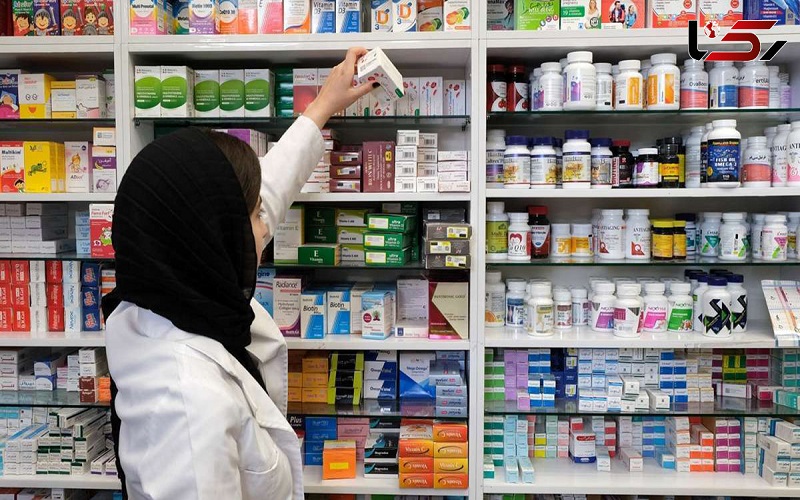

In Iran today, access to life-saving medications has become an increasingly difficult and costly challenge for millions. Patients across the country face a perfect storm of drug shortages, surging prices, and concerns over the quality of domestically manufactured medicines. For many, what should be a basic right—access to essential healthcare—has turned into an exhausting and uncertain struggle.
Skyrocketing Costs, Shrinking Incomes
The price of medicine in Iran has seen relentless increases over recent years. Many medications that once cost a fraction of their current price now consume a significant portion of average household incomes.
For example, a respiratory spray that previously cost 50,000 tomans has risen to over two million tomans—a more than fortyfold increase.
For a worker earning around six million tomans per month, such costs are unsustainable. In some cases, patients report spending up to a third of their income simply to maintain daily treatment.
Daily medications for chronic conditions such as heart disease, diabetes, and arthritis have followed a similar inflationary path. The price of aspirin, for instance, jumped from 48,000 to 85,000 tomans in just one cycle of purchase.
Medications critical for survival—such as insulin or blood thinners—are either difficult to find or only available at inflated black-market prices.
Shortages and Limited Availability
Beyond cost, availability is a persistent issue. Many medicines are no longer reliably stocked in pharmacies, forcing patients and their families into time-consuming searches, often across multiple cities.
Certain vital medications, like warfarin for heart patients, have disappeared from the market altogether, pushing families to depend on costly and informal channels to import them from abroad.
The logistics of getting foreign medications into Iran are further complicated by sanctions and restrictions. With no direct flights and limitations on mail delivery, some families must rely on informal couriers, who charge high fees and offer no guarantees.
A small package of medicine can cost up to $25 to ship, excluding the actual cost of the drugs themselves.
Domestic vs. Foreign Medicines: A Question of Quality
A significant concern raised by both healthcare professionals and patients is the perceived inferiority of many domestically produced drugs.
Reports suggest that foreign-made medications, especially those used in chemotherapy and psychiatric treatment, are more effective and cause fewer side effects. Patients who can afford it tend to seek out imported options, but these are not always accessible and are often prohibitively expensive.
Although Iranian pharmaceutical companies continue to produce medicines under difficult conditions and claim to maintain high standards, the lack of consistent government support—both financially and structurally—threatens their sustainability. Experts caution that without strategic backing, even these efforts may eventually falter.
Systemic Issues: Mismanagement and Policy Shortcomings
The root of the crisis appears to lie in a combination of economic constraints, poor management, and inadequate policy implementation. Regime health officials have pointed to currency shortages, declining imports, and disrupted supply chains as key factors behind the crisis. Some medicines are now procured through secondary markets, dramatically increasing costs due to the lack of direct international trade.
In response, the regime introduced the “Darouyar” plan in July 2022, aiming to reform pharmaceutical subsidies and expand insurance coverage. The plan promised to improve affordability, ensure universal access, and curb illicit drug smuggling.
However, two years into its implementation, results appear underwhelming. Prices have continued to rise, and medicine shortages persist. Independent observers and media reports have declared the initiative largely ineffective.
Moreover, delays in insurance reimbursements to pharmacies, limited coverage of essential drugs, and the absence of a robust regulatory framework have compounded the problem. Policymakers themselves admit that without adequate resource allocation and focused support, both for patients and domestic producers, the crisis will deepen.
The Human Cost
For patients and their families, this crisis is not just about policies or numbers—it’s a lived, daily hardship. Whether managing diabetes, recovering from surgery, or navigating cancer treatment, Iranians must now grapple with a healthcare system under immense strain. The physical, emotional, and financial toll is devastating, and the sense of helplessness is palpable.
One recurring sentiment expressed by those navigating this system is simple yet powerful: “We don’t know what to do.”
Conclusion
Iran’s medicine crisis is a multifaceted problem rooted in economic instability, administrative inefficiencies, and policy failures. Without urgent and coordinated action—both at the governmental and systemic levels—access to affordable, high-quality medications will remain out of reach for many.
In a country with a long history of pharmaceutical capability and medical expertise, the current situation is not just a healthcare failure—it is a humanitarian one.