


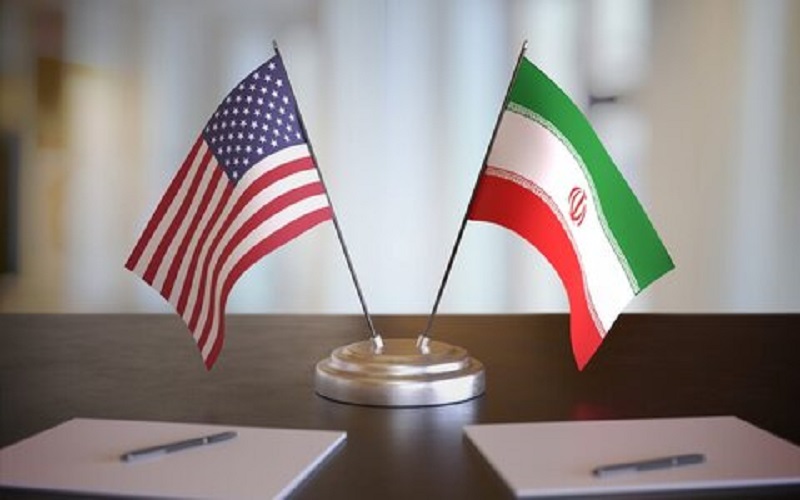

The United States and Iran’s regime have resumed negotiations aimed at curbing Iran’s nuclear program, marking the first significant diplomatic engagement between the two countries in years. These preliminary and mostly indirect talks, mediated by Oman, come amid renewed global attention on the future of Iran regime’s nuclear ambitions and the U.S. approach to containing them.
The talks are taking place under the administration of President Donald Trump, who returned to office after having withdrawn the U.S. from the 2015 Joint Comprehensive Plan of Action (JCPOA) during his first term. At the time, Trump criticized the JCPOA — a multilateral agreement between Iran and six world powers — as inadequate and promised a stronger, more comprehensive replacement. However, no new deal materialized before he left office in 2021.
A Contested Legacy
The original 2015 deal placed strict limitations on Iran regime’s nuclear activities. It capped uranium enrichment at 3.67%, far below weapons-grade levels, reduced Iran regime’s number of centrifuges, and opened its facilities to international inspections. These constraints extended Iran’s “breakout time” — the time it would take to produce enough fissile material for one nuclear weapon — from an estimated two months to over a year.
In exchange, Iran’s regime received partial relief from economic sanctions and regained access to billions of dollars in frozen assets. Critics of the JCPOA argued that the agreement offered too much financial relief up front and did not address other concerns, such as Iran regime’s ballistic missile development and support for proxy groups across the Middle East.
Supporters, however, viewed the JCPOA as a necessary compromise that successfully paused Iran regime’s nuclear advancement and created a verifiable framework for monitoring.
Current Negotiations: Old Challenges, New Dynamics
The current round of negotiations appears to focus exclusively on Iran regime’s nuclear program. Discussions of the regime’s ballistic missile arsenal and its support for regional non-state actors — including groups such as Hezbollah, the Houthis, and Shiite militias — reportedly remain off the table, raising concerns that a new deal could resemble the scope of the original JCPOA.
At the same time, the geopolitical context has changed. Iran’s economy has been weakened by sanctions and the consequences of regional conflicts. Some of its proxy forces have been diminished, and it has lost key allies, including the Syrian government of Bashar al-Assad. However, Iran has also built closer ties with Russia and China, participating in joint military exercises and expanding trade partnerships. These new alliances may enhance Iran’s negotiating leverage and offer alternative paths for economic survival.
From a U.S. perspective, President Trump faces pressure to deliver a deal that addresses past criticisms while maintaining stability in the region. His administration’s choice of negotiators and the tone of the talks are being closely watched, with some observers cautioning against a rushed agreement that fails to address broader security concerns.
The Path Forward
As talks continue, the key question remains: can a new agreement meaningfully limit Iran regime’s nuclear capabilities while also gaining durable support from both the U.S. political establishment and the international community?
Unlike the JCPOA, which was backed by a broad coalition including the UN Security Council and the European Union, current efforts appear more bilateral. This could make enforcement and long-term sustainability more difficult, especially if future administrations reverse course again.
Ultimately, the outcome of these negotiations will likely hinge on whether both sides are willing to make concessions that go beyond narrow technical limits and address the wider strategic environment. For now, the process remains fragile — but the return to diplomacy has opened a window that may offer a path forward, however narrow.