


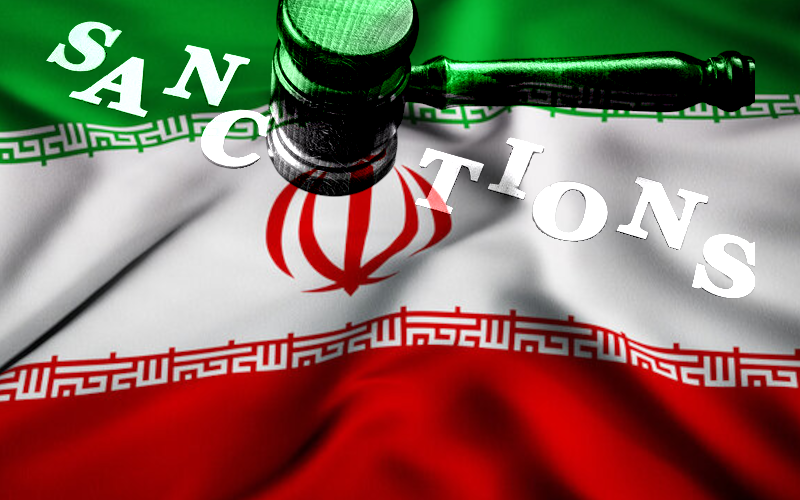

The U.S. Department of the Treasury’s Office of Foreign Assets Control (OFAC), on December 31, 2024, unveiled sanctions targeting a subordinate organization of Iran’s Islamic Revolutionary Guard Corps (IRGC) for its role in attempting to influence the 2024 U.S. presidential election. This action underscores Tehran’s continued use of subversive tactics to undermine democratic institutions abroad while advancing its own authoritarian objectives.
The IRGC’s Cognitive Design Production Center (CDPC)
Central to these sanctions is the designation of the Cognitive Design Production Center (CDPC), an entity operating under the aegis of the IRGC. Since 2023, the CDPC has been orchestrating influence operations aimed at deepening socio-political divisions within the United States. Leveraging advanced tools and strategies, the CDPC’s operations were designed to manipulate the political discourse and erode public trust in democratic processes. This is part of a broader pattern of the IRGC’s malign activities, which include cyberattacks, disinformation campaigns, and attempts to exploit vulnerabilities in democratic societies.
A History of Election Interference
The IRGC’s attempts to meddle in foreign elections are not new. In 2020, OFAC designated five employees of Emennet Pasargad, an Iranian cybersecurity firm formerly known as Net Peygard Samavat Company, for engaging in similar efforts to influence the U.S. presidential election. These activities involved the theft and dissemination of private information, coupled with targeted disinformation campaigns aimed at eroding confidence in electoral integrity.
In 2024, these efforts escalated. Iranian operatives employed social engineering techniques to infiltrate the networks of individuals linked to both major U.S. political parties. These actions were part of a concerted effort to manipulate public perception and sow discord within the electorate. The Iranian regime’s actions demonstrate a calculated strategy to exploit democratic freedoms for its own authoritarian gains.
Tehran’s Broader Agenda
Iran’s interference in U.S. elections must be viewed within the context of its broader geopolitical ambitions. By destabilizing democratic institutions, Tehran seeks to weaken its adversaries and divert attention from its own domestic challenges, including economic instability and widespread political dissent. The IRGC, a cornerstone of the regime’s power structure, plays a pivotal role in these efforts, employing a combination of cyber capabilities, disinformation, and covert operations to project Iranian influence globally.
U.S. Response and Implications
The recent sanctions underscore the U.S. government’s commitment to countering foreign malign influence and protecting the integrity of its democratic institutions. By targeting the financial and operational networks of the IRGC and its affiliates, these measures aim to disrupt Tehran’s capacity to conduct such activities in the future.
Under these sanctions, all property and interests in property of designated individuals and entities within U.S. jurisdiction are blocked. Additionally, entities found to be facilitating transactions with these designated persons may also face penalties. These actions serve as a warning to both the Iranian regime and its global facilitators that such interference will not be tolerated.
Conclusion
Iran’s ongoing efforts to interfere in the U.S. electoral process highlight the regime’s willingness to exploit democratic vulnerabilities to further its own authoritarian agenda. The designation of the CDPC and other IRGC-affiliated entities reflects the international community’s resolve to hold Tehran accountable for its destabilizing actions. As the world grapples with the challenges posed by authoritarian regimes, a coordinated response is essential to safeguard democratic values and institutions from external threats.