


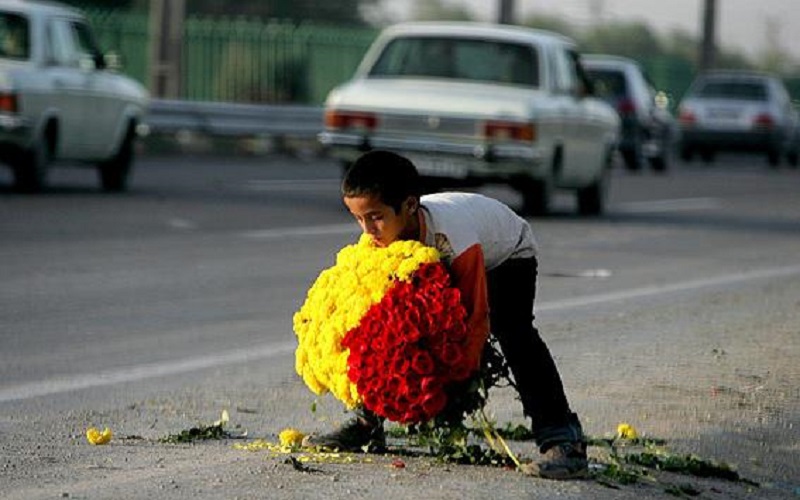

In 2024, Iran ranked 91st globally on the Children’s Rights Index, with an overall score of 0.703. The index evaluates five key areas—health, life, education, protection, and environment—each presenting unique challenges and opportunities:
1. Health
- Ranking: 68th
- Score: 0.938
Access to healthcare services is relatively strong, yet disparities remain. Malnutrition continues to afflict children in impoverished regions, such as Sistan and Baluchestan.
2. Life
- Ranking: 70th
This rank reflects modest improvements in the security and quality of life for children. However, mortality rates in underprivileged areas remain alarmingly high, driven by inadequate living conditions.
3. Education
- Ranking: 48th
- Score: 0.807
Education is one of Iran’s more positive areas, yet gaps persist. Rural and nomadic children often face barriers to quality schooling due to poverty and insufficient infrastructure. The digital divide further exacerbates inequalities, with only 65% of students having reliable internet access—a shortfall made stark during the COVID-19 pandemic.
4. Protection
- Ranking: 53rd
- Score: 0.946
Child marriage and child labor remain significant obstacles. Despite efforts to curb early marriages, more than 30,000 girls under 15 are wed annually, contradicting Article 16 of the UNCRC. Additionally, economic hardship forces many children to abandon school for work.
5. Environment
- Ranking: 145th
- Score: 0.286
Environmental conditions are the most pressing concern. Issues such as air pollution, drought, and climate change severely impact children’s health and well-being. Cities like Tehran and Ahvaz face extreme air pollution, while southern regions endure rising temperatures and diminishing water resources.
Environmental Challenges: A Growing Crisis
Iran’s low environmental ranking signals the urgent need for action. A UNICEF report warns that climate change will profoundly affect children worldwide, and Iran is no exception. Factors such as extreme heat, dwindling water supplies, and urban pollution place Iranian children among the most vulnerable.
Environmental experts predict worsening conditions in southern Iran, with increased heatwaves and water scarcity likely to exacerbate respiratory illnesses, malnutrition, and mental health challenges.
Persistent Social Inequalities
While Iran’s educational performance shows promise, systemic inequities persist:
- Rural and marginalized children often lack access to quality schooling.
- The digital divide hinders progress, leaving many students disconnected from modern educational resources.
Similarly, social issues like child labor and early marriage continue to undermine children’s rights and development. These problems reflect broader economic struggles, as poverty remains a key driver of these trends.
Balancing Progress and Challenges
Iran’s situation reflects a mix of progress and persistent crises. Improvements in healthcare and education coexist with significant challenges in environmental sustainability, social protection, and legal alignment with international standards.
To secure a better future for its children, Iran must:
- Align domestic laws with the UNCRC to ensure comprehensive rights protection.
- Tackle environmental crises through sustainable policies and global cooperation.
- Reduce inequalities by investing in rural infrastructure and closing the digital divide.
- Address social issues, such as child marriage and labor, through stronger enforcement of protective laws and targeted poverty alleviation programs.
Conclusion
The state of children’s rights in Iran is a direct reflection of the systemic shortcomings in the regime’s policies. While modest progress in areas such as health and education exists, these achievements are overshadowed by the government’s failure to address critical challenges. The conditional acceptance of the UN Convention on the Rights of the Child, subordinating international standards to domestic and Islamic laws, has undermined the full realization of children’s rights in the country.
Environmental neglect, marked by inadequate action against air pollution, water scarcity, and climate change, exemplifies the regime’s disregard for the long-term well-being of its youngest citizens. Social crises, such as child labor and early marriage, are perpetuated by economic mismanagement, deepening poverty, and insufficient enforcement of protective laws. The digital divide, exacerbated during the pandemic, further highlights the regime’s inability to invest in equitable infrastructure.
Ultimately, the challenges faced by children in Iran are not isolated issues, but symptoms of a governance model that prioritizes ideology and power over the fundamental rights and welfare of its people. Without systemic change, the promises enshrined in international conventions will remain unfulfilled, and millions of Iranian children will continue to pay the price.