


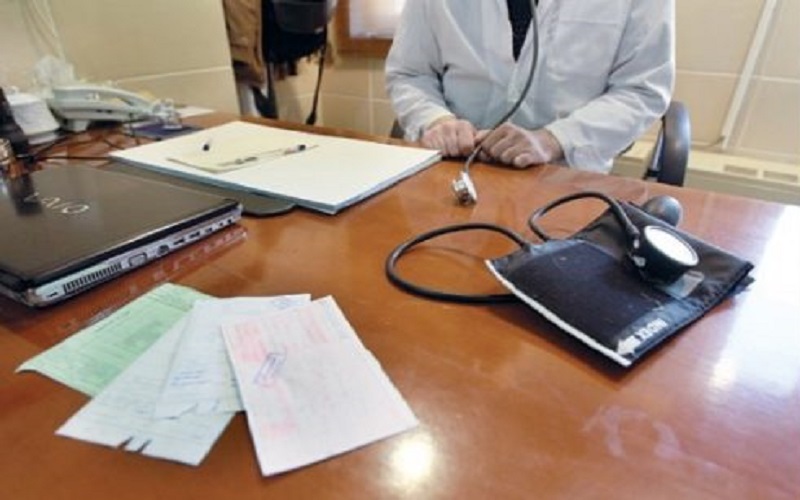

The flawed structure of Iran’s healthcare system, coupled with ongoing economic and social challenges, has plunged the country’s medical community into a deep crisis. This crisis is evident in the alarming rate of emigration among specialist doctors and the growing trend of general practitioners (GPs) leaving the medical profession altogether. Many GPs are either seeking specialized training abroad or turning to alternative careers after years of education.
The Alarming Numbers
Mohammad Raiszadeh, head of Iran’s Medical System Organization, revealed in a video interview on Wednesday, January 8, that there are currently 30,000 inactive GPs in Iran. Raiszadeh noted that many GPs are reluctant to pursue specialty training or engage in medical practice due to systemic challenges.
He highlighted “low tariffs” as a primary reason for this reluctance, explaining that a GP earning 120,000 tomans per patient visit cannot sustain a private practice in Tehran. Earlier, Jalil Hosseini, Deputy Education Minister at the Ministry of Health, corroborated this, emphasizing that the issue lies not in the shortage of GPs but in their unwillingness to work in underserved areas.
A Dismal Career Outlook
Data from the Ministry of Health indicates that 74,000 medical students are currently enrolled in Iran. However, many do not continue their education after completing general medical training. Instead, some enter the labor market or switch to non-medical careers, while others opt to study or work abroad.
GPs cite numerous reasons for abandoning the profession, including:
- Insufficient Income: Low wages make it difficult to sustain a practice, particularly in major cities.
- Labor Market Saturation: Intense competition and limited opportunities reduce the appeal of remaining in the field.
- Harsh Working Conditions: High stress levels, inadequate facilities, and lack of support contribute to dissatisfaction.
- Lack of Motivation and Career Advancement: Without specializing—a costly and time-intensive process—GPs see little opportunity for professional growth.
- Job Insecurity: Temporary or informal contracts leave many doctors vulnerable.
The attractiveness of alternative careers, such as commercial ventures, further exacerbates the exodus from the medical profession.
Systemic Failures
Inappropriate policies within the healthcare system, delayed insurance payments, and insufficient support for GPs compound the problem. Social and psychological pressures, such as unrealistic patient expectations and societal mistreatment, also drive many to abandon their careers.
The Migration Trend
This dire situation has led to a significant increase in the emigration of medical professionals. Destination countries, such as Germany, Italy, Canada, Oman, the UAE, and Qatar, actively attract Iranian doctors by offering:
- Simplified degree equivalence processes
- Superior research and educational opportunities
- Better working conditions and career prospects
- Improved quality of life
According to a report by Iran Newspaper, 4,500 medical staff left Iran during the first eight months of 2024 alone. In 2023, at least 7,000 doctors and nurses emigrated.