


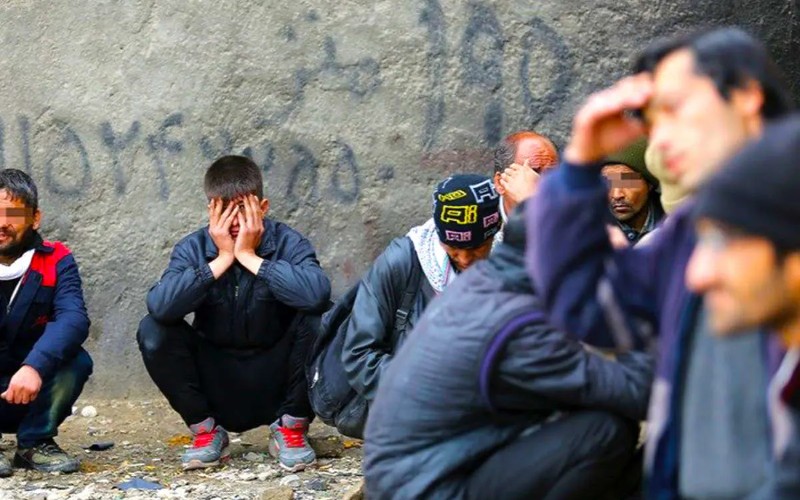

Weak oversight and pharmaceutical profiteering have fueled widespread methadone abuse in Iran, with rising deaths, child victims, and millions caught in the cycle of addiction.
Doctors Turned Methadone Dealers
A child and adolescent psychiatrist has warned that thousands of Iranian doctors have abandoned their medical duties in favor of profiting from methadone sales.
Dr. Mohammadreza Mohammadi stated that more than 9,000 doctors are now engaged in prescribing and selling methadone rather than providing psychotherapy, counseling, or lifestyle interventions to patients. He said that weak supervision of addiction treatment centers has allowed methadone to enter the free market, fueling dependency instead of recovery.
“This trend perpetuates the cycle of addiction,” Mohammadi explained, noting that users repeatedly return to treatment camps without achieving recovery, while public dissatisfaction continues to grow.
Iran Produces Over Half the World’s Methadone
According to Mohammadi, the global annual production of methadone is about 60 tons, yet Iran alone produces 30–35 tons—more than half of the worldwide total. He stressed that the vast profits from this trade have lured many doctors and pharmaceutical companies away from their professional responsibilities and into a lucrative black market.
Iran operates one of the largest methadone maintenance treatment networks in the world, with more than 7,000 clinics distributing millions of doses annually. Officially, production is controlled by large pharmaceutical firms, but illegal networks and smuggling have ensured that methadone is readily available far beyond clinical settings.
Pharmaceutical Giants in the Trade
In 2023, production was dominated by:
- Darou Pakhsh Pharmaceutical Company – 23.9%
- Faran Shimi Pharmaceutical – 21.1%
- Darou Pakhsh Raw Materials Production (Temad) – 16.4%
- Exir Pharmaceutical – 15.3%
- Mehr Darou – 8.8%
- Zagros Darou Parsian – 7.3%
- Darou Darman Pars – 4.4%
- Soha Pharmaceutical – 2.8%
Despite these official figures, experts confirm that a significant portion of methadone finds its way into the informal market through smuggling and diversion.
Rising Deaths, Even Among Children
Methadone abuse has become a leading cause of drug-related deaths in Iran. Between 2020 and 2021, the provinces with the highest methadone-related death rates per million were:
- Kermanshah – 178.2 deaths
- Lorestan – 139 deaths
- Kohgiluyeh and Boyer-Ahmad – 119.4 deaths
Even more alarming, 21 infants under one year old and 81 children aged one to seven died from methadone poisoning during the same period. In total, methadone and related compounds caused more than 5,900 deaths out of 11,336 drug-related fatalities nationwide.
In 2023, methadone poisoning accounted for the largest share of drug deaths, with 2,584 victims. Experts warn that widespread self-medication has created a hidden crisis, as many addicts consume methadone outside of treatment centers and remain absent from official statistics.
A Nation of Addicts
Official figures released in 2024 suggest that 1.6 million people are currently undergoing treatment in the country’s addiction centers. However, experts believe the real number is far higher.
Former deputy health minister Reza Malekzadeh has warned that nearly 10% of Iran’s population uses opium—around 8 to 9 million people—with Rafsanjan and Golestan provinces recording the highest rates. If accurate, this would indicate alarming growth in drug dependency, particularly among young people.
Indeed, recent reports suggest that 58% of Iran’s identified addicts are under the age of 34, marking a sharp decline in the average age of addiction onset. Economic pressures have also shifted drug preferences, with heroin and crystal meth becoming more common as opium prices rise.
Contradictory Statistics and Hidden Realities
Contradictions in official statistics further obscure the true scope of the crisis. The president of Iran University of Medical Sciences has estimated 2.8 million active addicts, but when family members are included, between 10 and 12 million Iranians are directly or indirectly affected by addiction.
Meanwhile, a nationwide survey of addiction therapists across all 31 provinces found that daily use of methadone syrup and pills has become a widespread habit among addicts—proof of just how accessible the drug has become.
Conclusion: Addiction as a National Catastrophe
The methadone crisis in Iran reflects a broader failure of governance, health policy, and economic integrity. Weak regulation, profiteering pharmaceutical companies, and doctors incentivized to sell rather than heal have created a deadly epidemic.
With millions of Iranians trapped in cycles of addiction, thousands dying each year, and even children among the victims, experts warn that the country faces one of its most urgent social and health crises.