


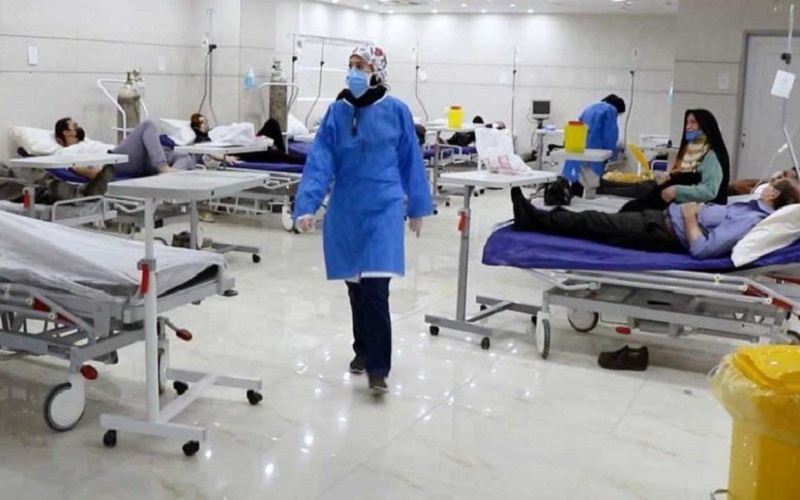

With 100,000 nurses missing from its healthcare system, Iran faces a growing catastrophe rooted in mismanagement, wage inequality, and mass migration.
Iran’s healthcare system is spiraling into one of its most serious crises in decades, as a severe shortage of nurses and medical staff threatens both the quality and stability of medical services nationwide. What was once a manageable shortfall has now grown into a systemic emergency—undermining Iran’s ability to provide even basic care in many regions.
A Bleeding Workforce: 100,000 Nurses Missing
On July 12, Ahmad Nejatian, head of Iran’s Nursing Organization, revealed that the country is facing a shortage of nearly 100,000 nurses. He added that approximately 5,000 nurses exit the healthcare system every year, citing reasons such as:
- Desire to migrate abroad
- Early retirement
- Severe physical and mental burnout
- Low salaries compared to their workload
The statistics are alarming. Iran’s national average is 0.95 nurses per hospital bed, but in underdeveloped provinces, the number falls as low as 0.6. The global standard is around 1.8 nurses per bed.
In 2017, Iran had just 1.6 nurses per 1,000 people, compared to 9 to 10 per 1,000 in countries like Sweden. These figures place Iran closer to low-income nations in terms of nurse density and healthcare capacity.
Unequal Pay and Poor Working Conditions
One of the core drivers of attrition is the widening wage gap between nurses and physicians. In 2015, doctors earned about twice as much as nurses; by 2023, the gap had grown to threefold or more. Coupled with job insecurity, this disparity has crushed morale among Iran’s nursing staff.
Many nurses are hired under precarious 89-day contracts, particularly in outsourced “corporate” positions. These contracts offer no job security, no clear path to promotion, and little incentive for long-term commitment.
Further exacerbating dissatisfaction are unpaid wages, mandatory overtime without proper compensation, and prolonged shifts under high psychological pressure—all with minimal institutional support.
The Brain Drain: Thousands Migrate Annually
Iran is losing thousands of trained nurses to migration. Between 1,800 and 3,000 nurses leave the country each year, often heading to destinations such as Germany, Denmark, Canada, and the Persian Gulf states. These countries offer:
- Monthly salaries of €2,000 to €3,000
- Job security
- Standardized work hours
- Professional development opportunities
In contrast, the average monthly salary for nurses in Iran is around $200—a figure that pales in comparison, especially amid ongoing economic instability and inflation.
Mohammad Sharifi-Moghadam, Secretary-General of the Nurses’ Association, noted that up to 100,000 Iranian nurses are either unemployed or have left the profession entirely due to poor working conditions.
Structural Deficiencies and Training Gaps
The crisis is compounded by structural imbalances. Over the past five years, Iran has added more than 40,000 hospital beds, but failed to hire enough nurses to match this expansion. This has resulted in overburdened existing staff, increased burnout, and reduced quality of care.
On the education front, Iran’s nursing programs suffer from a shortage of instructors. In many cases, the student-to-professor ratio exceeds 20 to 1, far above the global ideal of 10 to 1. This undermines the development of clinical and practical skills and jeopardizes the next generation of caregivers.
Repression of Labor Activism
Adding to the crisis are security crackdowns on nurse-led protests. In 2024 alone, Iranian nurses organized over 50 demonstrations across various provinces, demanding fair pay, better contracts, and improved working conditions. Many of these gatherings were met with security threats, arrests, or termination notices.
An Unfolding National Emergency
This is no longer merely a staffing issue—it is a national public health crisis. The shortage of nursing personnel is rapidly eroding Iran’s healthcare infrastructure. Without immediate reforms, the country risks descending into a state where even basic healthcare becomes inaccessible to millions.
What Needs to Be Done
Experts say that Iran must act now on two fronts:
- Short-term intervention:
Implement policies to curb migration, retain existing staff, and offer immediate financial relief. - Long-term structural reform:
Commit to recruiting at least 10,000 to 12,000 new nurses per year, align staffing with hospital expansions, stabilize contracts, and reform wage structures.
The Ministry of Health reports that at least 3,000 nurses retire annually—a figure that isn’t being replaced. With additional losses due to migration and burnout, the system is being depleted faster than it can be rebuilt.
Without sustained and meaningful intervention, Iran’s nursing crisis will become a self-perpetuating collapse—one that could overwhelm the nation’s healthcare system and leave its citizens without essential medical support.