



Location transparency on X reveals unfiltered government access, organized troll farms, and covert political operations posing as opposition voices.
A newly activated feature on X, formerly Twitter, that displays login locations and account access details has triggered a wave of revelations across the Persian-speaking digital sphere. As Iranian users examined the “About this account” section now visible to the public, many discovered evidence pointing to two explosive realities: certain regime-linked figures enjoy exclusive access to unfiltered internet inside Iran, and dozens of coordinated political accounts posing as monarchist or pro–Reza Pahlavi activists are in fact operating from within the country.
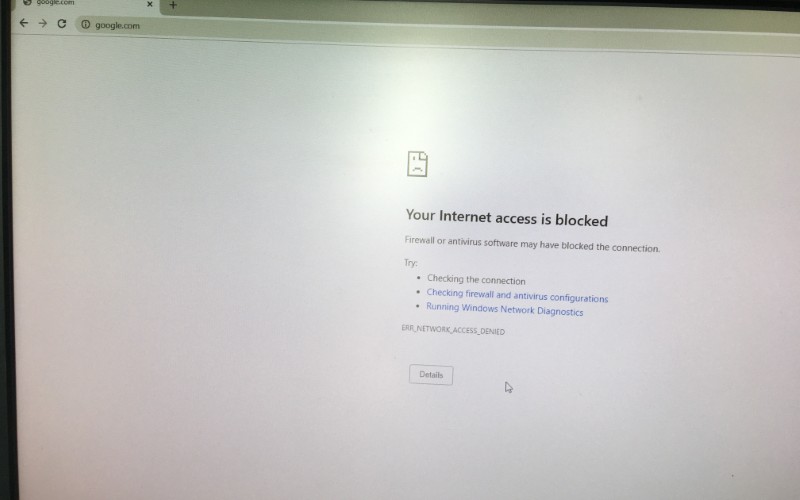
In recent days, users have circulated screenshots showing that political, governmental, and media figures aligned with Iran’s ruling establishment access X from inside the country without VPNs, even though ordinary citizens remain trapped behind layers of censorship. This finding reinforced long-standing claims that a privileged tier of digital access exists for those approved by the regime.
The term “white internet” (#اینترنت_سفید) has emerged in public discourse to describe this system of unfiltered, unrestricted connectivity. According to digital rights advocates, it represents a class-based version of the internet in Iran, granting elite access to selected institutions and individuals while the general population remains locked behind a censored and heavily monitored network. Critics argue that this two-tier system has created a deep structural inequality in access to information and freedom of expression.
Several government-affiliated journalists, state managers, and even electoral figures—many of whose account apps were installed directly through domestic app stores—were quickly placed under scrutiny. Users shared screenshots revealing that, despite repeated official claims of opposing censorship, these individuals freely browse and post on X without the filtering restrictions imposed on the public. The reaction on social media was immediate and intense. Many users described the discovery as a real-life reflection of George Orwell’s “Animal Farm”: “All animals are equal, but some animals are more equal than others.”
Commentators argued that campaign promises by figures such as the regime’s president Masoud Pezeshkian to lift filtering ring hollow when those making the promises already benefit from unrestricted access. Others labeled the situation a form of technological rent-seeking or digital apartheid, insisting that a society deprived of equal access to information cannot function freely or fairly.
Alongside the controversy over the “white internet,” another dimension of the scandal gained traction: the exposure of hundreds of politically coordinated accounts on X that had long posed as monarchist activists or supporters of Reza Pahlavi. After the location feature became active, users discovered that many of these accounts—previously claiming to be based in Europe or the United States—were logging in from inside Iran. When confronted, many quickly switched their settings to display only a vague “region” instead of a country, but screenshots of the initial evidence had already spread widely. Users argued that the findings revealed how much of the online promotion of Reza Pahlavi was being orchestrated by the Ammar Cyber Headquarters of the IRGC in Tehran.
Digital activists say the behavior of these accounts matches classic indicators of a political troll farm: synchronized posts pushing identical messages, simultaneous use of hashtags, coordinated attacks on critics, reports of spam to silence independent voices, and the use of stolen photos and fabricated identities. Some of these accounts, despite presenting themselves as supporters of Reza Pahlavi, frequently targeted other anti–regime groups with vulgar language and aggressive propaganda.
Reports from outlets such as Haaretz and the Citizen Lab have previously documented the existence of organized cyber networks operating to influence political discourse, adding further credibility to the current wave of revelations.
The scandal has not been limited to anonymous accounts. In recent days, users have pointed to the profile of media personality Reza Rashidpour, whose account also showed activity from “Iran without VPN.” While Rashidpour has not issued an official response, debate around him and other public figures continues to intensify.
The new X feature has not only exposed hidden privileges and coordinated online operations but has also deepened public suspicion about the state’s manipulation of digital spaces. As more users scrutinize account data, the divide between ordinary citizens struggling under censorship and those shielded by elite access becomes increasingly impossible for the regime to conceal.