


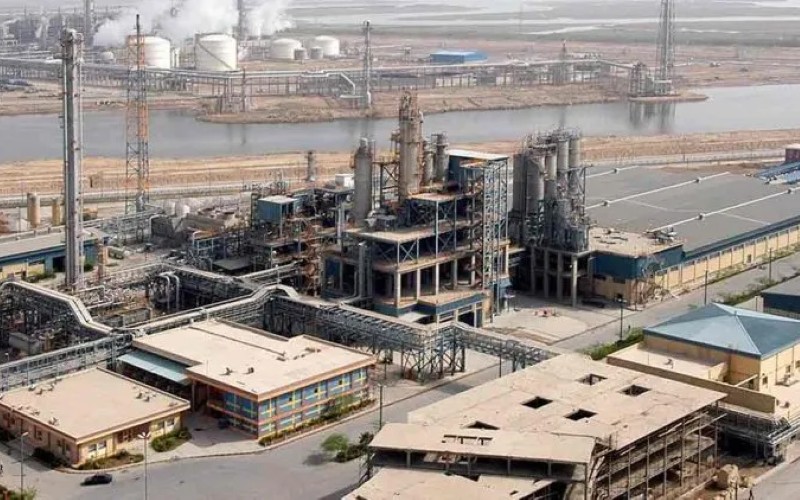

Systematic wage cuts, intimidation, and contract terminations push workers to the brink amid escalating social despair in Khuzestan
The hunger strike by workers at Seraj Gostaran Rejal Petrochemical in Khuzestan has entered its tenth day, and the silence from the regime authorities has intensified fears of an impending humanitarian disaster. Workers in Bandar Khomeini and Bandar Mahshahr say years of deliberate and continuous wage reductions have pushed them to a breaking point where refusing food became their last remaining form of protest. The regime’s refusal to engage reflects a broader pattern: a consistent violation of workers’ rights and a systemic disregard for human suffering.
Messages shared by the workers reveal a grim picture of intimidation, managerial pressure, sudden contract cancellations, and persistent threats that have destabilized the lives of hundreds of families. Oversight bodies in Khuzestan have taken no meaningful action, and officials in Tehran avoid any responsibility. Warnings about the risk of a human tragedy have been ignored even as the province has witnessed two recent cases of self-immolation—a young man and a worker in Shadegan, both overwhelmed by crushing economic pressure.
The workers stress that wage cuts have destroyed their livelihoods and shaken the foundations of family security. Repeated warnings, abrupt dismissals, and security pressure have turned the workplace into a constant source of fear. Neither the governor nor local officials have offered a response, revealing priorities that stand in stark contrast to the basic needs of the population. This hunger strike is not merely a protest against one employer; it reflects a deeper structural crisis at the heart of political power in Iran.
A fundamental question now hangs over Khuzestan: how has a ten-day hunger strike failed to prompt even the most basic inquiry from government officials? The recent tragedies of self-immolation should have been enough to force action. Instead, the regime under Ali Khamenei continues to respond to crises with pressure and suppression, a pattern that only fuels more labor and social unrest. The workers are demanding the bare minimum for survival, yet even these basic rights are incompatible with the current power structure.
The ongoing silence paints a troubling picture for Khuzestan’s future. The province’s economic conditions are approaching a critical breaking point, and the regime’s indifference to the petrochemical workers’ demands is part of a much broader landscape of corruption and irresponsibility. The hunger strike stands as a powerful symbol of resistance, and immediate intervention is the only way to prevent the situation from escalating further.
As the crisis deepens, one reality becomes undeniable: a society whose fundamental rights are crushed will eventually be driven to unavoidable protest. The people of Iran deserve dignity and a life free from fear, and the current standoff in Khuzestan reveals once again that accountability has no place in the priorities of the ruling establishment.