


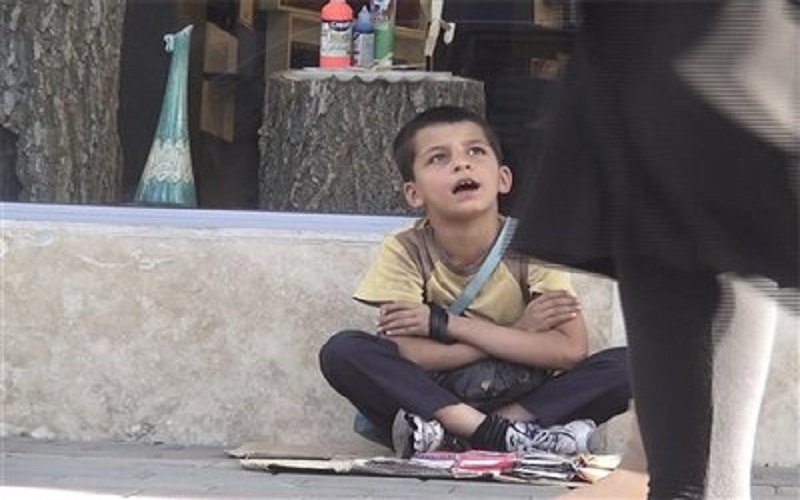

October 8 marks International Children’s Day in Iran, a day dedicated to highlighting the rights and well-being of children. While countries around the world celebrate this occasion on various dates, the United Nations has officially designated November 20 as Universal Children’s Day. This day serves as a global reminder of the importance of protecting children’s rights and ensuring their welfare. However, in Iran, this commemoration often seems like a bitter irony rather than a genuine celebration.
The United Nations Children’s Fund (UNICEF) prioritizes five core areas for the protection and development of children worldwide: child survival and development, access to quality education, gender equality, protection from violence and abuse, and the prevention of HIV/AIDS. Yet, when comparing these priorities with the reality faced by millions of Iranian children under the current regime, the stark disparity becomes undeniable.
The Iranian Regime’s Attitude Toward Children: A Legacy of Exploitation and Abuse
Since its establishment, the ruling authorities in Iran have shown a deeply concerning attitude toward children. From the outset, tens of thousands of children were sent as expendable soldiers to the frontlines during the Iran-Iraq war, marking the beginning of a long history of exploitation. Laws allowing forced child marriages, the execution of minors, and the brutal practice of torturing children in front of their parents (or vice versa) demonstrate a systemic disregard for the rights and dignity of children.
This pattern of behavior shows the regime’s underlying philosophy: under the supreme leader, Ali Khamenei, people—especially children—are seen not as individuals with rights, but as tools to serve the state’s authoritarian interests. Social, economic, and legal rights have been systematically crushed for decades, with children particularly vulnerable. In such a regime, the very idea of protecting children’s rights or safeguarding their access to education, health care, or basic occupational rights is simply nonexistent. Consequently, celebrating International Children’s Day under these conditions feels like a cruel joke.
The 2030 UNESCO Controversy: When Progress Meets Resistance
One of the most telling examples of the regime’s attitude toward children’s welfare was its vehement opposition to the UNESCO 2030 Agenda for Sustainable Development, particularly its provisions related to education. When the time came to implement the UNESCO 2030 document, Khamenei and his allies launched a fierce campaign against it, decrying it as an attempt to introduce “Western humanistic teachings” that contradicted their “Islamic God-centered values.”
The UNESCO document called for the elimination of violence from school curricula—a proposal that outraged the regime’s leaders. For them, the idea of removing concepts like martyrdom and jihad from textbooks struck at the core of their ideological indoctrination efforts. Similarly, the agenda’s call for gender equality in education was perceived as an attack on the regime’s deeply entrenched gender segregation policies. The leaders falsely claimed that the UNESCO agenda aimed to erase traditional family values and impose Western ideals of equality between men and women. In response, the regime worked tirelessly to block the implementation of the 2030 agenda, prioritizing its ideological control over children’s well-being and educational progress.
A Nation’s Children in Crisis
While the Iranian regime expends energy on opposing global standards for children’s education, it remains disturbingly silent about the plight of millions of Iranian children who are suffering from extreme poverty, neglect, and exploitation. A growing army of working children, street children, children deprived of education, addicted children, and child porters represent the heartbreaking reality for many. Some children are even pre-sold into exploitative labor conditions before birth, underscoring the sheer desperation faced by many families under the regime’s corrupt and negligent rule.
The systemic failure to address these issues, coupled with the regime’s focus on maintaining its own power and wealth at the expense of the population, is the root cause of this humanitarian crisis. Instead of investing in the future of its children, the regime hoards national resources, allowing corruption to flourish and leaving millions of children deprived of basic human rights.