


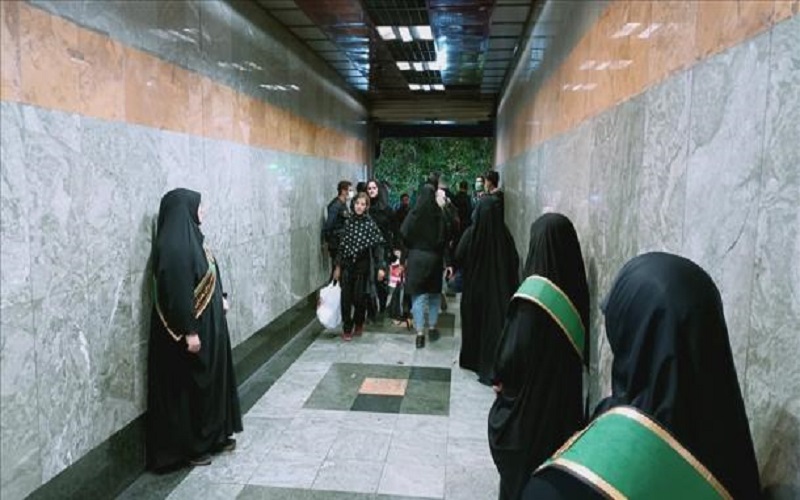

The United Nations has once again called on Iran to prioritize human rights, specifically regarding women’s rights, transparency, and the right to life, following escalating abuses against women and a rise in executions across the country. Mai Sato, the UN Special Rapporteur on human rights in Iran, delivered her inaugural report to the General Assembly on September 26, 2024, detailing these issues and urging the Iranian government to make meaningful reforms.
A Legacy of Oppression Against Women
The current wave of abuses against women in Iran is rooted in a long history of state repression. Following the 1979 Islamic Revolution, Iran imposed strict laws mandating the hijab and established stringent restrictions on women’s public behavior and freedom of expression. Iran regime’s judiciary and morality police have enforced these codes rigorously, with punishments including detention, lashes, and hefty fines for perceived “immodesty.” These laws further entrenched gender inequality and limited women’s participation in public life, effectively making women’s freedom conditional on adherence to state-imposed norms.
Since then, Iranian women have faced systematic discrimination under Iran’s legal system, including in family, inheritance, and employment laws, as well as in access to political positions. Women’s protests against such restrictions, most notably in the 2022 protests, which have been met with harsh crackdowns. These protests, reignited by the killing of Mahsa Amini in police custody in 2022, exemplified Iranian women’s longstanding struggle for autonomy and equality. Rather than addressing the demands of these protests, the regime responded with force, detaining thousands and increasing repression.
The Recent UN Report and Its Implications
In her report, Sato underscored Iran regime’s ongoing failure to respect international norms concerning women’s rights and condemned the lack of transparency and accountability. Particularly troubling is Iran regime’s refusal to ratify the Convention on the Elimination of All Forms of Discrimination against Women (CEDAW), one of the key international treaties for safeguarding women’s rights.
#Iran: must prioritize women’s rights, the right to life, and improve transparency, says UN expert @drmaisato . In her first report, she highlights the alarming increase in executions and the deteriorating #humanrights situation for women and girls.https://t.co/RcrIryMaw3 pic.twitter.com/rUU8rLYILb
— UN Special Procedures (@UN_SPExperts) November 1, 2024
Sato expressed concern over the newly proposed “Chastity and Hijab Bill,” which seeks to intensify punishments for non-compliance with mandatory hijab laws. Under this bill, punishments could include harsher fines, extended prison sentences, and invasive monitoring, such as the installation of surveillance cameras in public spaces to ensure compliance. The bill, viewed by human rights advocates as an alarming escalation of state control, disproportionately impacts women, denying them basic rights to bodily autonomy and freedom of expression.
Alarming Spike in Executions and the Right to Life
The report further highlights the surge in executions, with at least 93 individuals executed in August 2024 alone. Nearly half of these cases involved drug-related offenses, while others were based on loosely defined security charges like “spreading corruption on earth” or “waging war against God.” These charges, often used to target political dissidents, are condemned internationally for failing to meet the threshold of “most serious crimes” required by international law.
Sato noted that the use of the death penalty, combined with instances of lethal force and uninvestigated deaths in state custody, is indicative of systemic abuse within Iran regime’s judicial system. This pattern, she argues, demonstrates a disregard for the right to life, with the government employing executions as a tool of political repression.
Calls for Greater Cooperation and Accountability
In her address, Sato emphasized the importance of cooperation between the Iranian government and international bodies to safeguard human rights. Stressing that her role as Special Rapporteur is not adversarial but constructive, she urged Iran to engage meaningfully in addressing and preventing human rights violations. Her assessment, she noted, could serve as a foundation for strengthening Iran’s human rights protections if met with transparency and willingness from Iran’s government.
Despite her call for cooperation, history suggests that Iran’s response to international criticism on human rights issues remains resistant. The government has previously rebuffed similar recommendations from UN bodies, maintaining that such assessments infringe on Iran’s sovereignty.
Conclusion: A Call to Action for the International Community
Mai Sato’s report serves as a critical reminder that Iran regime’s repression of women and disregard for human rights persist unabated. With the 2022 protests representing a powerful cry for justice, the international community’s role in holding Iran’s regime accountable remains essential. However, as Iran’s regime doubles down on repression, meaningful change may require sustained global pressure and support for Iranian civil society.
The Special Rapporteur’s appeal for transparency, reform, and respect for human rights underscores a broader call to end the historical cycle of oppression against Iran’s women and marginalized groups. Without a decisive shift toward accountability and reform, the rights of Iranian women and all citizens will continue to face severe challenges in the face of state-sanctioned repression.