


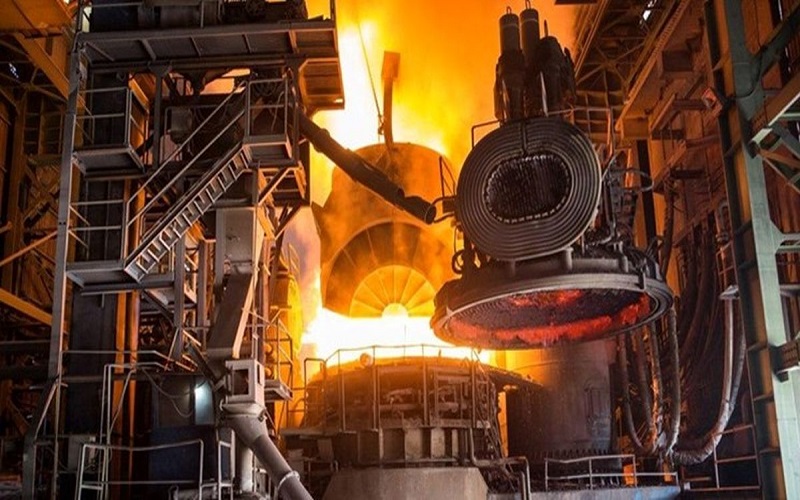

Iran’s industrial sector has been experiencing prolonged stagnation under the rule of the Mullahs, leading to what can be described as the premature demise of industrial production. Despite attempts by the regime to manipulate figures, key economic indicators paint a clear picture of the country’s struggling production and economy.
Recent data, particularly the Purchasing Managers’ Index (PMI), highlights the contraction of economic activities in Iran. The PMI, a globally recognized index used by over 40 countries, indicates prosperity when above 50 and stagnation when below 50. In July 2024, Iran’s PMI stood at 47.2, marking the second consecutive month of decline and reaching its lowest point in 36 months.
Multiple Challenges Facing Industrial Production
The industrial sector in Iran faces a myriad of challenges, both old and new:
- Electricity shortages and frequent power outages
- Lack of working capital
- Currency allocation issues for importing production inputs
- Skilled labor shortages due to unfavorable working conditions
These factors have culminated in a significant downturn across all 12 activities within the industrial production sector.
Key Indicators Reflecting the Decline
Several crucial indicators underscore the severity of the situation:
- Product Production/Service Provision: At 45.2, this index has decreased for four consecutive months.
- New Customer Orders: Estimated at 44.3, marking a three-month decline since May.
- Raw Materials Inventory: Decreased for five consecutive months, reaching 49.7.
- Sales of Goods/Services: Dropped to 48.9, declining for three consecutive months.
- Employment: At 48.9, it has hit an 11-month low.
The Impact on Labor Force and Production Capacity
The disparity between living expenses and wages has led to a significant exodus of workers from industrial companies. This labor shortage, coupled with widespread power outages (two days a week), has forced many companies to operate at severely reduced production capacities.
Supply Chain Disruptions and Demand Decrease
Problems in raw material supply chains and reduced customer demand have exacerbated the production decline. The export of goods and services index fell to 48.7 in July, indicating a three-month consecutive decrease in foreign demand.
Inventory and Pricing Challenges
The finished product inventory index dropped to 49.9 in July, slightly below the 50 range for the second consecutive month. Companies have been forced to deplete their inventories to meet customer demand due to production issues. Simultaneously, the manufactured products price index recorded its lowest value in seven months at 50.4, reflecting reduced demand and limited pricing power for companies.
Conclusion
The dire state of Iran’s industrial production is further compounded by the regime’s prioritization of proxy wars over addressing the country’s economic challenges. As all indicators continue to decline, the need for significant economic reforms and a shift in national priorities becomes increasingly apparent to revitalize Iran’s industrial sector.