
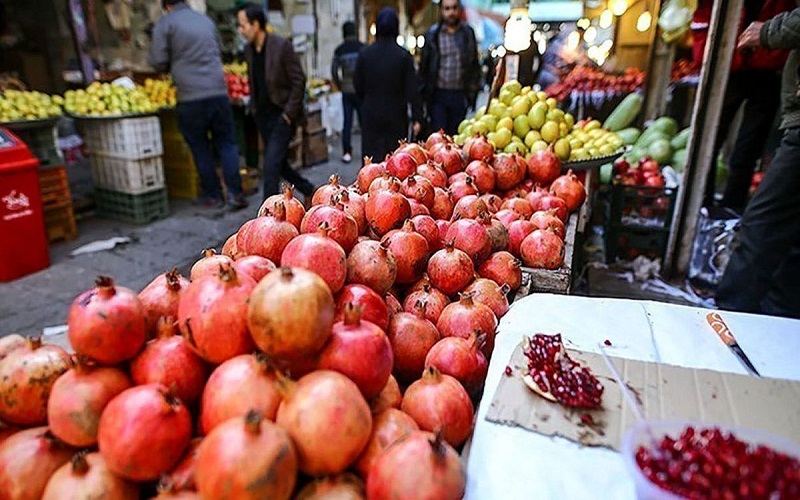

Yalda Night, a cherished remnant of ancient Iran, is a celebration rooted in solidarity, kindness, and the joy of togetherness. This ancient ritual, believed by some to date back to the era of Darius the Great, has been a symbol of hope and unity for centuries. However, in contemporary Iran, the shadow of economic hardship and cultural suppression has turned the celebration of this historic night into a challenge, especially for the economically disadvantaged and elderly members of society.
The Cost of Tradition
Market investigations reveal the staggering costs of preparing a modest Yalda table for a family of four. At a minimum, this requires 1.7 million tomans, with higher-quality items pushing the expense to around 4 million tomans—approximately half the monthly salary of a minimum-wage worker. Such financial strain puts the celebration out of reach for many families.
According to Gholamreza Khodami, head of the Tehran Nuts and Dried Fruit Sellers Union, the price of nuts, a staple of Yalda celebrations, has skyrocketed. Premium Yalda nuts—a mix of dried fruits, pistachios, and peanuts—exceed 1 million tomans per kilogram in online stores. First-grade four-core nuts, including pistachios, almonds, hazelnuts, and cashews, are priced at 700 thousand tomans per kilogram wholesale and up to 900 thousand tomans retail. Even lower-grade nuts cost between 450 and 550 thousand tomans per kilogram.
Packaged nuts, often chosen for their decorative appeal, command even higher prices, with some reaching over 1.2 million tomans per kilogram. Meanwhile, pistachios, a quintessential Yalda treat, range from 500 to 700 thousand tomans per kilogram depending on quality and whether purchased wholesale or retail.
A Basket of Tradition
A Yalda basket typically includes items such as watermelon, nuts, fruits, dried fruits, and sweets. The cost of this basket varies widely, with higher-quality selections pushing the total to as much as 4 million tomans. Watermelon, a key feature of the Yalda table, costs between 100 and 250 thousand tomans. Other fruits like pomegranates range from 60 to 120 thousand tomans per kilogram, while apples are priced between 40 and 100 thousand tomans. Dried fruits and sweets add further expense, with dried fruits priced between 300 thousand and 1 million tomans and sweets between 200 thousand and 400 thousand tomans.
Adding to these costs is the expense of a traditional Yalda dinner, such as barberry rice with chicken, which can cost between 250 and 500 thousand tomans depending on the quality of ingredients.
Subsidies That Fall Short
In response to public outcry, the regime spread rumors of a special Yalda Night subsidy. However, the Targeted Subsidy Organization dismissed these claims, clarifying that the subsidy scheduled for December is merely the regular monthly subsistence payment. For a family of four in the lowest income brackets, this amounts to 1.6 million tomans, while those in middle-income brackets receive 1.2 million tomans—both amounts insufficient to cover the minimum costs of a Yalda celebration.
Cultural Erosion and Resistance
Beyond economic constraints, Iranians face cultural suppression from a regime intent on erasing national traditions. Last year, the Supreme Council of the Cultural Revolution renamed Yalda Night and Chaharshanbeh Suri in the official calendar to “Day of Promoting Party Culture and Bonding with Relatives” and “Day of Honoring Neighbors,” respectively. This council, operating under the direction of Supreme Leader Ali Khamenei, is tasked with shaping the regime’s cultural and educational policies.
Over the past four decades, such efforts to undermine Iran’s national identity have intensified. Yet, instead of fading away, Iranians have responded with renewed commitment to preserving their cultural heritage, viewing these traditions as acts of resistance against an anti-Iranian regime.
Conclusion
Yalda Night remains a beacon of light and hope in the darkness, a testament to the enduring spirit of the Iranian people. Despite economic hardships and cultural suppression, the celebration of Yalda persists, reflecting a deep-seated resilience and pride in Iran’s rich cultural heritage. For many, the act of gathering on this night is not just about tradition; it is a quiet defiance against forces that seek to erase their identity.