


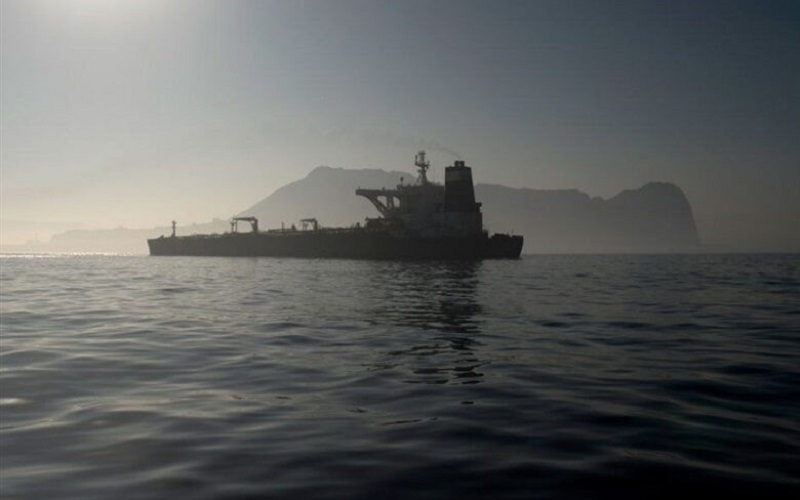

The Iranian regime is racing against time to find buyers for the oil it has stored in Dalian, a port city in northeastern China. The looming of Donald Trump’s return to the White House has alarmed Tehran, as his presidency could once again tighten sanctions and block Iran’s access to these oil reserves, valued at approximately one billion dollars.
A Desperate Push to Sell Embargoed Oil
Iran has directed the Islamic Revolutionary Guard Corps (IRGC) to sell this embargoed oil using intermediary companies. These intermediaries will leverage the financial credit of Iranian firms based in China to facilitate sales. However, this strategy is fraught with challenges as Beijing tightens its oversight of small refineries—the main buyers of Iran’s discounted oil.
Rising Floating Reserves: A Costly Dilemma
Data from the real-time energy tracking firm Vortexa reveals that Iran’s floating oil reserves have grown significantly, increasing from 36 million barrels to 48 million barrels since September. This rise is attributed to a sharp drop in oil sales, with the additional inventory valued at about one billion dollars.
Iran’s outdated oil infrastructure cannot halt production at its wells, forcing the regime to store unsold oil in a fleet of tankers. These floating warehouses add maintenance expenses to an already strained budget, compounding the economic challenges posed by U.S. sanctions.
Biden’s Presidency: A Sanctions Loophole
The Biden administration’s less stringent enforcement of sanctions provided Tehran with a temporary reprieve. Iranian officials exploited this window to sell oil through intermediaries at steep discounts, often up to 50% below the market value. These intermediaries falsified documents to mask the oil’s origin, moving shipments out of Iranian waters to ports in the Far East. China emerged as the primary market, purchasing 95% of Iran’s smuggled oil. However, the buyers were predominantly small, independent Chinese refineries rather than the Chinese government.
Challenges from Beijing and Trump’s Potential Return
Recently, these small refineries have faced closures or increased scrutiny from the Chinese central government due to their inefficiency and environmental impact. This has left Iran with fewer options to offload its embargoed oil. Adding to the regime’s woes is the prospect of Trump’s return, which could reinstate the harsh sanctions imposed during his first term and further limit Iran’s ability to maneuver.
Oil-for-Arms: A Strained Economic Strategy
Iran’s 2024 budget law and its 2025 budget bill reveal another concerning trend. The regime has allocated nearly the entire budget of its armed forces in the form of crude oil and condensates rather than cash. This highlights the regime’s reliance on oil exports to sustain its military and underscores the urgency to monetize its stranded reserves in Dalian before geopolitical conditions worsen.
Conclusion
Tehran’s race to sell its oil reserves reflects the broader economic and geopolitical challenges facing the Iranian regime. As it struggles to adapt to Beijing’s tightening policies and braces for the return of Trump-era sanctions, the fate of Iran’s oil exports—and by extension, its economy—hangs in the balance. The coming months will test the regime’s ability to navigate this complex and high-stakes landscape.