
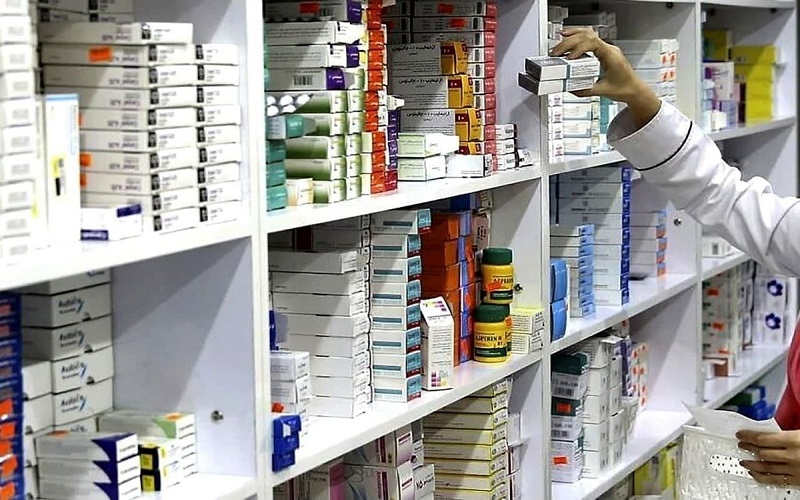

The sharp and multifold increase in drug prices in Iran has severely impacted cancer medications, leaving many patients struggling to afford life-saving treatments. According to healthcare activists, a growing number of cancer patients are being forced to abandon treatment due to the lack of insurance coverage for essential drugs and the exorbitant costs of those that remain partially covered.
Dr. Soheil Rahimi, a physician based in Iran, highlighted the dire consequences of these rising costs during a recent psychology seminar. He revealed that “in recent months, following the drastic surge in the cost of medicine and treatment, we have seen patients begging doctors to end their lives due to extreme poverty and financial desperation.”
Araseb Ahmadian, CEO of the Mahak Charity Foundation, echoed these concerns, stating: “These expenses are unbearable for many families. For instance, the cost of a treatment protocol for children with cancer can exceed two billion tomans. Even those with basic and supplementary insurance lack the financial means to cover such costs. This often results in delays in treatment or the inability to access essential medications, directly jeopardizing children’s health.”
Government Cuts and the Price Surge
With the government’s complete withdrawal of subsidies for many medications and the depreciation of the preferential exchange rate for pharmaceuticals, drug prices in Iran have surged overnight by 50% to 400%. While officials of the Pezeshkian administration cite Western sanctions and declining oil revenues as reasons for scaling back government support, critics argue that the regime’s financial priorities lie elsewhere. Many Iranians accuse officials of diverting substantial resources toward funding foreign militant groups, religious institutions, government entities, and military and nuclear programs while neglecting the urgent healthcare needs of the population.
Salamat News, an Iranian health-focused outlet, reported on March 8: “With treatment costs soaring, we must ask how many families can afford medical care? Modern treatments, including genetic therapies and immunotherapy, are more effective, yet they enter the country at free-market currency rates. The slow approval and insurance coverage processes for these drugs have significantly driven up treatment expenses.”
Worsening Crisis: Patients Forced to Sell Their Medications
Reza Jabbari, deputy chairman of the parliamentary health commission, highlighted the extreme measures some patients are taking to survive. “Some individuals have reached a state of total despair. When a patient loses hope in treatment and is in financial ruin, they may resort to selling their essential medications.” He emphasized that “this is not just a consequence of rising drug prices but also a reflection of widespread poverty. A patient who sells a rare, disease-specific medication does so out of sheer destitution. Some pharmaceutical products have seen a 200% price increase.”
Declining Domestic Production and Financial Shortages
On February 25, Iranian pharmaceutical industry representatives addressed the Government-Private Sector Dialogue Council, chaired by the Minister of Economy. They disclosed that in the first nine months of 2024, Iran’s pharmaceutical production fell by 16% compared to the same period the previous year. Experts estimate that a more than 60% increase in liquidity is needed to stabilize the industry. However, ongoing currency imbalances and economic mismanagement have led to severe shortages, exacerbating the healthcare crisis.
Earlier, on February 11, a leaked letter from Mohammad Raeeszadeh, head of the Iranian Medical System Organization, to President Masoud Pezeshkian further exposed the deteriorating situation. The letter revealed that over 15,000 private pharmacies are owed approximately 18 trillion tomans by the Subsidy Targeting Organization, 7.8 trillion tomans by the Social Security Organization, and 5 trillion tomans by other insurers. These delayed payments have caused a severe liquidity crisis, leading to bounced checks, frozen accounts, and, ultimately, a disruption in the supply of essential medicines.
A Bleak Outlook Amid Economic and Political Priorities
Despite mounting public distress, the Iranian regime, under Supreme Leader Ali Khamenei, continues to prioritize military expansion, foreign interventions, and its nuclear ambitions. As poverty and inflation spiral out of control, the healthcare crisis is expected to deepen in the coming months. Without urgent intervention, access to life-saving medications will remain out of reach for many Iranians, pushing the nation’s most vulnerable citizens further into despair.