



Amid escalating international sanctions and mounting internal challenges, the Iranian regime is facing one of its most severe economic downturns in recent years. A newly released report by the International Monetary Fund (IMF) underscores the gravity of the situation, highlighting sluggish growth, surging inflation, a shrinking economy, and a widening fiscal deficit—factors that signal the potential for long-term instability.
Sharp Downgrade in Growth Forecast
In its latest World Economic Outlook, the IMF drastically revised Iran’s projected economic growth for 2025 to just 0.3%, a steep drop from the 3% forecast issued in October 2023. This downgrade reflects intensifying pressure from renewed U.S. sanctions, which are designed to slash Iran’s oil revenues and limit its access to international financial markets.
Oil Sector Takes the Brunt
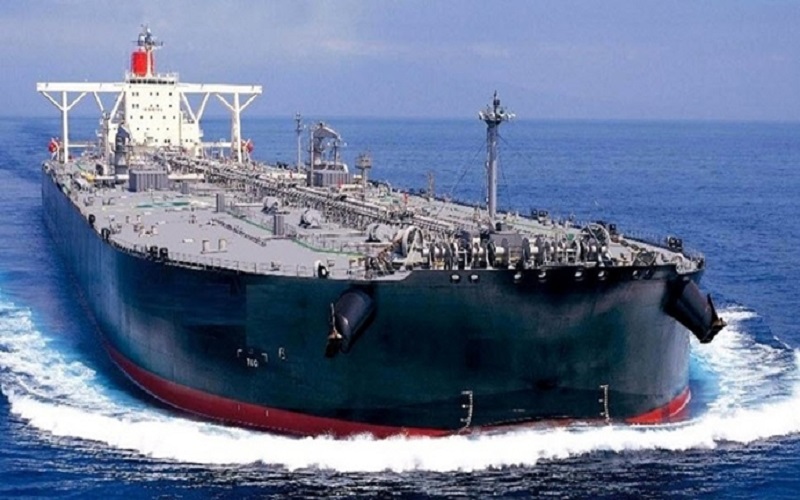
Iran’s oil sector, the backbone of its economy, is bearing the brunt of these restrictions. The IMF anticipates that Iran’s crude oil production and exports will decline by 300,000 barrels per day in 2025.
Sanctions enforcement has tightened under the Trump administration, with eight new sanctions imposed in April alone targeting Iranian tankers and oil export networks. An additional three sanctions followed in May.
According to data from Keplr, Iranian oil deliveries to Chinese ports—Tehran’s primary export destination—averaged 1.38 million barrels per day from January through April 2025, a decline of 100,000 barrels per day compared to the same period last year.
Falling Trade and Capital Flight
Iran’s total exports, including oil, non-oil goods, and services, are expected to decline by 16%, falling to $100 billion in 2025. Imports are projected to contract by 10%, to $98 billion, resulting in a modest trade surplus of $2 billion—a sharp decrease from the $10 billion surplus recorded the previous year.
Despite this positive trade balance, capital flight remains a significant concern. According to the Central Bank of Iran, $14 billion exited the country in the first nine months of the previous year, following $20 billion in capital outflows the year before.
Nominal GDP Shrinks Amid Currency Collapse
Perhaps the most striking indicator of Iran’s economic deterioration is the decline in its nominal GDP, measured in U.S. dollars. The IMF projects Iran’s nominal GDP will fall to $341 billion in 2025, a drop of $60 billion from 2024. The primary driver behind this contraction is the continued depreciation of the rial, which has lost approximately 50% of its value in just one year.
While real GDP—adjusted for inflation and based on constant 2016 prices—might appear stable, the nominal figures reveal the stark reality of an economy in retreat when evaluated at current market prices.
For historical context, in the year 2000, Iran’s economy was larger than those of Saudi Arabia, Turkey, and the United Arab Emirates. Today, Saudi Arabia’s economy is more than three times larger, Turkey’s is nearly four times bigger, and the UAE’s is 1.6 times the size of Iran’s. Since the reimposition of U.S. sanctions in 2018, capital outflows have increased nearly sixfold.
Inflation Among the World’s Highest
Inflation is accelerating at an alarming rate. The IMF has revised Iran’s inflation forecast for 2025 to 43.3%, up from 37% in its previous report. This places Iran among the highest-inflation economies globally, alongside Venezuela, Sudan, and Zimbabwe.
Several factors contribute to this runaway inflation: the sharp depreciation of the rial, restrictions on accessing foreign currency reserves, increased domestic borrowing by the government, and rising import costs under sanctions.
A Deepening Fiscal Crisis
Iran’s budgetary challenges are equally severe. The IMF estimates that in order to balance its 2025 budget, Iran would need to sell crude oil at an average of $163 per barrel—far above the current global average of around $66.
The Iranian regime, however, has based its 2025 budget on daily exports of 1.85 million barrels at a price of $67 per barrel. The IMF forecasts actual exports will be closer to 1.1 million barrels per day, exposing a significant shortfall in projected revenues. Even with the inclusion of 200,000 barrels per day in gas condensate exports, the gap remains substantial.
Historically, the government has relied on borrowing from the Central Bank, the National Development Fund, or simply printing money to cover such deficits—measures that have only served to further destabilize the economy and fuel inflation.
Rising Debt Ratios
The IMF expects Iran’s debt-to-GDP ratio to rise to 39.9% in 2024 and further to 41.9% in 2025. While these figures may seem moderate by global standards, they are particularly concerning for an economy under heavy sanctions and limited access to international capital markets.
Conclusion
Iran’s economic trajectory, as detailed in the IMF’s latest report, paints a troubling picture of stagnation, structural imbalances, and fiscal mismanagement under pressure. With limited tools at its disposal and continued external constraints, the country faces a formidable challenge in reversing its economic decline. Without meaningful reforms or international relief, Iran’s economy risks becoming increasingly isolated and unstable.