


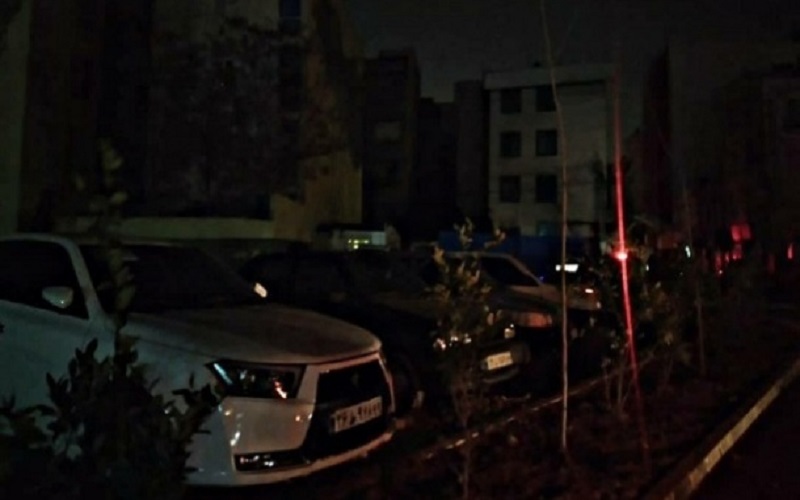

Despite repeated claims by Iranian regime President Masoud Pezeshkian that the root cause of Iran’s chronic electricity outages is “excessive consumption” by citizens, official reports and statistics point to a deeper, systemic crisis. More than 11 percent of the country’s generated electricity is wasted before it even reaches consumers, largely due to outdated infrastructure and mismanagement—issues that have become central to Iran’s growing power crisis.
A Daily Reality of Blackouts
Power outages have become a near-daily experience across Iran. Yet, instead of offering concrete solutions, officials have warned that this pattern is likely to continue in the coming months. Public frustration is growing, but the government’s response remains largely focused on blaming consumers rather than addressing the root causes.
Where the Power Goes: Transmission Losses and Infrastructure Decay
One of the most critical challenges facing Iran’s power sector is the significant energy loss that occurs during transmission from power plants to end-users. According to official sources, over 11 percent of the electricity generated in the country is lost within the transmission and distribution networks. This loss not only drives up economic costs but also reduces the quality and reliability of electricity supplied to homes and businesses, contributing to widespread blackouts.
A report by the state-run Mehr News Agency on June 5 identified several key reasons for these losses:
-
Outdated and deteriorating transmission and distribution infrastructure
-
Lack of modernization and smart grid management
-
Electricity theft and unauthorized use
-
Shortages in power generation capacity
Years of underinvestment in grid maintenance and modernization have left the system unable to efficiently deliver electricity. Without integrated and intelligent network management, instability and inefficiencies persist. Unauthorized consumption in some areas further strains the network, increasing the unauthorized load and contributing to transmission losses.
Mismanagement and Overreliance on Aging Plants
Another major contributor to the crisis is Iran’s overreliance on old, inefficient power plants. These outdated facilities are expensive to operate and poorly suited to meet current demand. In many cases, the mismatch between electricity production and actual consumption places an additional burden on transmission lines, leading to overloads and increased losses.
The consequences of these systemic inefficiencies are severe: soaring production and distribution costs, degraded power quality, frequent outages, and environmental damage. The Mehr News report emphasized that losing more than 11 percent of generated electricity amounts to wasting substantial financial resources—costs that ultimately fall on the government and electricity providers.
A Call for Reform
The report stressed that this level of electricity loss represents a serious structural problem within Iran’s power sector. Without immediate and coordinated action, these issues are likely to worsen. Experts and industry stakeholders argue that urgent reforms are needed, including:
-
Comprehensive modernization of the grid
-
Implementation of smart management systems
-
Efforts to prevent electricity theft and unauthorized use
Such measures could significantly reduce energy waste and move the country toward a more sustainable and reliable electricity supply.
Shifting Blame to Citizens
Despite these structural challenges, Iranian regime officials continue to emphasize what they call irresponsible energy use by citizens. Pezeshkian, in a speech on June 2, criticized the public’s consumption habits, stating, “When we provide free electricity to the people, they do not understand its value.” He added that people should reduce their usage, suggesting, “Instead of several chandeliers, we can turn on two lights and take consumption management seriously.”
He also drew criticism for remarks about how people in the past lived without air conditioners or fans—comments widely seen as out of touch with modern living conditions and public expectations.
Conflicting Narratives and Misplaced Accountability
While the government blames citizens, industry experts paint a different picture. Hassanali Taghizadeh, Chairman of the Board of the Electricity Syndicate, has openly challenged the narrative of excessive consumption. He noted that Iran’s per capita electricity usage is actually below the global average and warned against scapegoating the public: “Let’s not say that people consume a lot.”
This contradiction underscores the fragmented understanding—and conflicting agendas—within Iran’s leadership regarding the power crisis. Some officials focus on consumption and cryptocurrency mining as the primary culprits, while others point to deeper structural issues, such as grid degradation and a mismatch between generation and demand.
A Multifaceted Crisis Demanding Systemic Solutions
Iran’s electricity crisis is not merely a result of overuse by citizens—it is a complex, multifaceted problem rooted in decades of neglect, mismanagement, and underinvestment. Addressing it requires more than public appeals for conservation. It demands political will, financial investment, and a strategic overhaul of the country’s aging and inefficient energy infrastructure.
Without such systemic changes, the power outages—and the frustration they fuel—are likely to persist and intensify.