
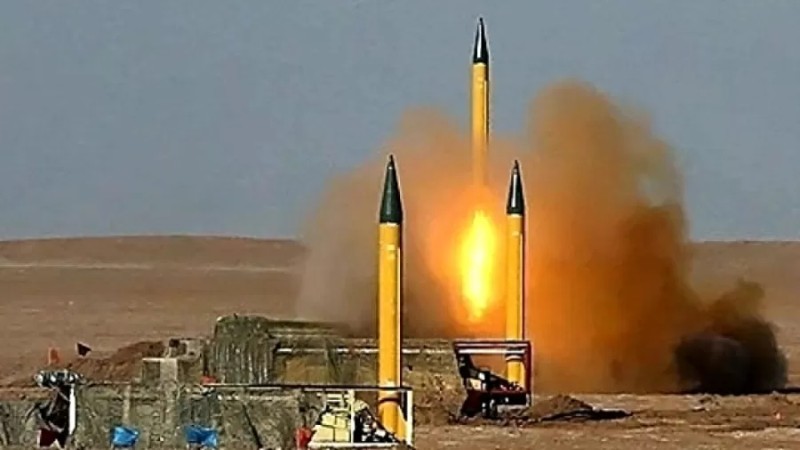

European intelligence indicates multiple shipments of missile fuel materials arriving in Iran as the regime works to restore its arsenal.
CNN reported on Wednesday, October 29, that the Iranian regime is rapidly rebuilding its ballistic missile program despite the reinstatement of United Nations sanctions in early October, which prohibit arms sales to Tehran and restrict ballistic missile activities.
According to European intelligence sources cited by CNN, several shipments of sodium perchlorate — the main chemical used in solid fuel for medium-range missiles — have been transported from China to the Iranian port of Bandar Abbas since the UN “snapback” sanctions took effect on September 26.
The shipments, reportedly arriving on September 29, contained roughly 2,000 tons of sodium perchlorate purchased following the regime’s 12-day conflict with Israel earlier this year. The imported materials are believed to form part of a concerted effort by Tehran to rebuild its depleted missile stockpiles. Several vessels and companies involved in the trade are already subject to U.S. sanctions.
The deliveries came shortly after the United Kingdom, France, and Germany accused Tehran of violating its nuclear commitments under the 2015 Joint Comprehensive Plan of Action (JCPOA) and urged the United Nations to reimpose sanctions. Iran, along with Russia and China, rejected the move, arguing that it undermines diplomatic efforts related to its nuclear program.
Under the reactivated UN sanctions, Iran is prohibited from conducting any activity related to ballistic missiles capable of carrying nuclear warheads. UN member states are also required to prevent the supply of materials that could support such programs.
Tehran continues to claim that its nuclear program is entirely peaceful. Nevertheless, during the 12-day war with Israel and subsequent U.S. airstrikes on June 22, three key nuclear facilities — Fordow, Natanz, and the Isfahan uranium conversion center — were reportedly destroyed.
Although sodium perchlorate is not specifically listed among materials banned for export to Iran, it is used to produce ammonium perchlorate — a restricted oxidizer employed in solid-fuel missile production. Analysts suggest that this legal gray area allows the regime to bypass sanctions enforcement.
CNN verified the shipments through vessel-tracking data and social media activity from crew members aboard ships identified by intelligence services as carriers of the chemical from China to Iran. Many of these vessels have reportedly made multiple trips between the two countries since April, with crews believed to be employed by Iran’s state-run shipping line.
Defense analysts estimate that the 2,000-ton shipment could provide fuel for about 500 missiles, underscoring the regime’s determination to restore and expand its missile capabilities despite renewed international restrictions.