



Shortages of essential drugs and skyrocketing prices are pushing millions of Iranians to the brink, as sanctions, corruption, and regime priorities cripple the healthcare system.
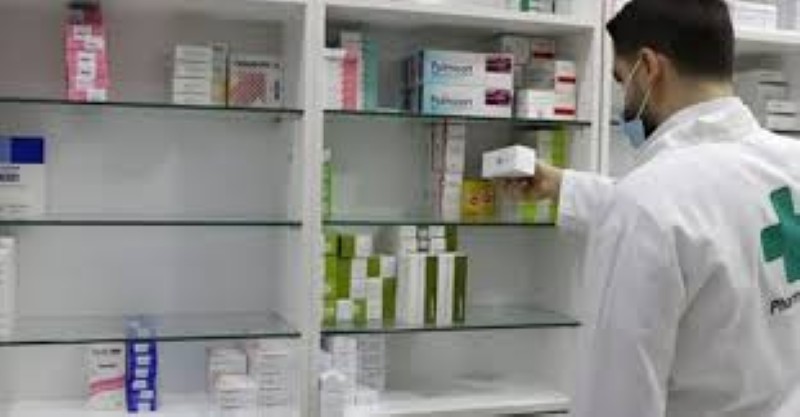
Iran’s healthcare crisis has entered a critical phase. Following warnings from the head of the Iranian Nurses’ Association that “many patients are dying due to a lack of nurses,” new domestic reports reveal a parallel catastrophe in the pharmaceutical sector. Pharmacies once filled with patients carrying bags of medicine now face empty shelves and desperate customers returning home without treatment.
Despite official claims from the Ministry of Health that “90 percent of pharmaceutical currency needs have been met,” the reality on the ground tells a different story — one defined by soaring drug prices, dwindling supply, and collapsing purchasing power among ordinary citizens.
Sanctions Exemptions but Deepening Shortages
Although medicines are technically exempt from U.S. and European sanctions, the availability and affordability of many essential drugs have deteriorated dramatically in recent years. What began as a shortage of specialized medications has now spread to common and vital drugs, including painkillers, antibiotics, and nutritional supplements.
Officials last year promised that drug prices would remain stable. Today, both experts and pharmacies report the opposite: a sharp escalation in costs and a widening gap between supply and demand.
Parliament members acknowledge that after the regime eliminated preferential exchange rates for pharmaceuticals, prices of vital medicines increased by up to 400 percent. Surveys indicate that “three out of every ten customers leave pharmacies empty-handed.”
Vital Supplements Out of Reach
The crisis has also engulfed basic supplements such as Omega-3, vitamin B12, and multivitamins, which are crucial for preventing malnutrition. None of these are covered by insurance, and their prices have multiplied. The price of a vitamin B12 injection has surged by more than 228 percent in a short period.
According to official data from the Ministry of Health, one in every three deaths in Iran is linked to malnutrition-related complications — a grim reflection of the human toll of these shortages.
Beyond Mismanagement: The Regime’s Costly Priorities
Experts say the roots of Iran’s medicine crisis go far deeper than mismanagement or corruption. The regime’s military, nuclear, and proxy policies have drawn the country into some of the world’s toughest banking and financial sanctions.
Recent activation of the UN “snapback” sanctions has worsened the situation, as Tehran channels much of its limited foreign currency reserves toward weapons purchases and funding proxy militias, rather than healthcare or social welfare.
Despite this, regime leaders — including Ali Khamenei, Abbas Araghchi, and President Masoud Pezeshkian — have publicly dismissed the impact of renewed sanctions, claiming their economic effect is “minimal.”
The Economic Fallout
The pro-government newspaper Etemad recently reported that the snapback mechanism has caused serious disruptions in pharmaceutical banking and insurance transactions. Mojtaba Sarkandi, a veteran in the drug manufacturing sector, warned that production shutdowns and severe shortages by the end of the year are inevitable.
He explained that financial sanctions have dramatically increased both the cost and time required to import raw materials, pushing many pharmaceutical companies to the brink of bankruptcy.
Empty Shelves and Desperate Choices
The latest parliamentary data show that in the past two years, between 150 and 165 essential drugs have become scarce or unavailable. Pharmacies across the country report severe shortages of insulin, kidney medications, hormone therapies, and basic nutritional supplements. Even common items like multivitamins and pain relief tablets are increasingly hard to find.
The crisis has reached such a point that for many Iranians, choosing between food and medicine has become a daily reality. Elderly citizens and patients with chronic diseases — the very people the regime claims to “support” — are now among the first victims of the collapse.
Dr. Ahmadi, a medical specialist, told the Fararu news outlet:
“When patients stop treatment because they can’t afford it, their illnesses worsen, hospitalization costs rise, and the entire healthcare system faces a deeper crisis.”
Even the price of flu vaccines — critical at the start of winter — has skyrocketed. According to ILNA, a French-made flu shot now costs around 2 million tomans, while a Dutch version sells for nearly 900,000 tomans, despite regulations requiring controlled pricing. The lack of oversight has fueled a growing black market for essential medicines.
A Public Health Emergency
Iran’s medicine crisis is no longer confined to the healthcare sector — it has become a national emergency exposing the consequences of the regime’s policies. As the regime continues to fund missile programs, clerical institutions, and foreign militias, millions of Iranians are left without access to lifesaving drugs.
The empty shelves of Iran’s pharmacies now stand as stark symbols of a system that has sacrificed the health and dignity of its people in pursuit of political and ideological goals.