


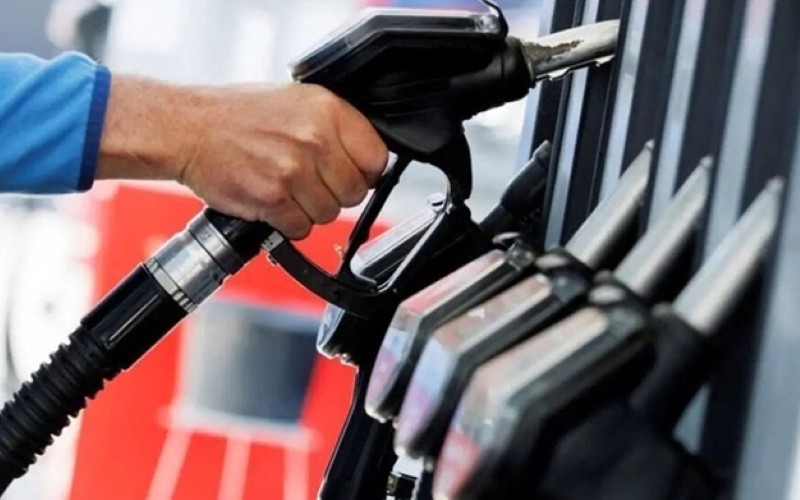

A new three-tier pricing system and sweeping subsidy cuts trigger nationwide anxiety as experts warn of severe pressure on low- and middle-income households
In June 2024, during the televised presidential debates, Masoud Pezeshkian insisted that his administration would never raise gasoline prices without public consent. Yet by December 2025, the same administration has issued a sweeping decree authorizing a steep and structural increase in fuel prices, marking one of the most consequential economic policies enacted under the Iran regime in recent years.
The newly approved measure introduces a seasonal, three-tier pricing system and eliminates fuel subsidies for several categories of vehicles. The decision, dated November 22 and scheduled for implementation in mid-December, has triggered widespread shock and anxiety across the country. Beyond raising the cost of fuel, the decree fundamentally restructures Iran’s long-standing rationing system, a move experts warn will disproportionately burden low- and middle-income families already struggling with severe economic hardship.
For weeks, the regime denied reports of an imminent gasoline hike. But the official decree confirms that the plan for a three-tier system has been in development for months. Existing prices of 1,500 and 3,000 tomans remain for rationed and non-rationed fuel purchases, but a new “third rate” of 5,000 tomans will apply to any refueling done without a fuel card or after a household’s monthly quota has been exhausted.
Under the new rules, the regime’s Ministry of Oil must adjust the third rate at the end of each season according to economic variables. Given Iran’s chronic inflation and the regime’s inability to control public spending, even a modest quarterly increase of 10 percent would push the new 5,000-toman rate to roughly 7,300 tomans by the end of the first year, 10,700 in the second, 15,600 in the third, 22,900 in the fourth, and more than 34,000 tomans after five years. Such a trajectory would gradually align domestic fuel prices with global market rates—despite the fact that Iran’s minimum monthly wage remains below 100 dollars and households face relentless financial pressure.
Economists argue that any increase in fuel prices—especially in Iran’s fragile economic environment—will cascade into higher transportation costs, pricier essential goods, and rising service-sector inflation. The timing is particularly sensitive: millions of Iranian families are already struggling to cover basic expenses amid stagnating wages, a weakened currency, and a deepening cost-of-living crisis.
One of the most controversial elements of the decree is the complete removal of subsidized gasoline—both the 1,500- and 3,000-toman rates—for newly manufactured vehicles, imported cars, government-plated cars, and vehicles registered in free-trade zones. Owners of these vehicles will only be able to purchase fuel at the 5,000-toman rate starting mid-December.
After this clause became public, even state television hosts and regime-aligned experts questioned the rationale. The government’s spokesperson offered only a vague explanation, acknowledging that the cabinet was divided and that the measure was “not a priority,” leaving major uncertainties about the administration’s long-term fuel policy.
In practice, the new rules punish buyers of newer vehicles while incentivizing the retention of old, fuel-inefficient cars. This is occurring just as many Iranian cities face severe air pollution crises, with authorities in Tehran and other major population centers issuing stay-indoors warnings throughout the autumn due to hazardous air quality.
Experts emphasize that meaningful fuel reform requires simultaneous improvements in household purchasing power, fuel quality, public transportation, and fleet modernization. Yet, as parliament energy committee member Malek Shariati stated, “the government is only thinking about filling its budget deficit and generating revenue from gasoline and other fuels.” His comments reflect a widespread belief that the Iran regime is turning once-subsidized commodities into a fiscal lifeline as it struggles with mounting financial shortfalls.
Another clause restricts fuel subsidies for individuals owning multiple cars, allowing only one vehicle per household to receive subsidized fuel. While framed as an anti-rent measure, it disproportionately affects families who have only recently managed to purchase their first new car, while owners of older, heavily polluting vehicles continue to benefit from lower prices.
The elimination of subsidized fuel for imported and free-zone vehicles—without any accompanying support package or phased transition plan—further signals that the government’s primary objective is revenue generation, not energy efficiency or reduced consumption.
On Tuesday night, several regime’s parliament members appeared on state television to underscore that fuel price hikes are inherently inflationary and typically adopted by governments desperate to offset budget deficits. Their comments underscore a growing rift between the parliament and the Pezeshkian administration over the economic direction of the Iran regime.
As implementation nears, public concern is rising sharply. The gasoline price overhaul marks yet another episode in which promises of transparency and stability have collided with the economic realities of a regime struggling to contain its fiscal crisis—leaving ordinary citizens to shoulder the consequences.