



A Landmark Texas Lawsuit Accuses US Tech Giants of Ignoring Supply Chain Gaps That Fuel Tehran’s Global Campaign of Destruction
For years, the Iranian regime has refined its image as a regional provocateur. However, its involvement in the invasion of Ukraine has unmasked a far more expansive and predatory ambition. A high-stakes lawsuit filed in Texas state court now alleges that this campaign of terror is being powered by a shocking source: American-made microchips.
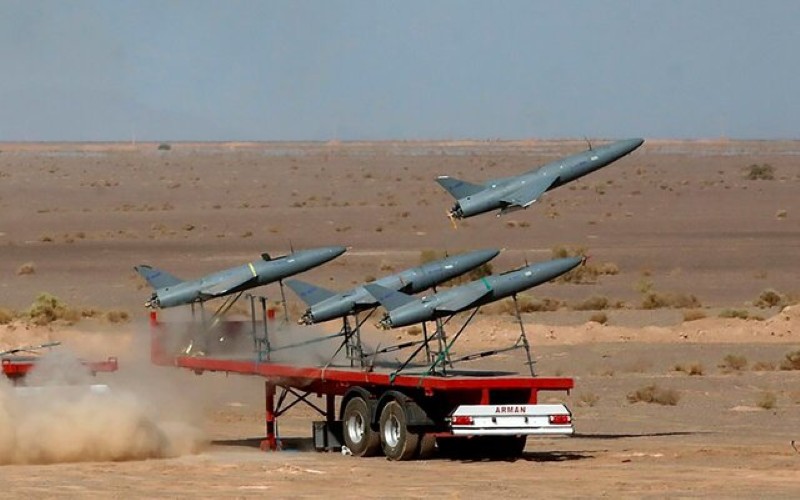
The legal action, brought by Watts Law Firm LLP and BakerHostetler LLP, targets industry titans Texas Instruments (TI), AMD, and Intel. The core of the allegation is as simple as it is devastating: these companies allowed their high-performance technology to flow into the hands of the Iranian regime, which then integrated them into the “kamikaze” drones currently raining fire on innocent Ukrainian civilians.
Tehran’s “Achilles Heel”: The Dependence on Western Tech
Despite the Iranian regime’s constant rhetoric regarding “self-sufficiency,” investigations into downed weapons systems tell a different story. Research from the U.S. Institute of Peace and the Kyiv School of Economics indicates that between 77% and 82% of components found in Iranian-made drones—such as the notorious Shahed-136—originate from Western companies, primarily those based in the United States.
These microchips act as the “brains” or “steering wheels” of the drones. Without this precision technology, the Iranian regime’s weapons would be little more than unguided scrap metal. Instead, they are precision-engineered tools of death used by Russia to dismantle Ukraine’s energy grid and strike residential neighborhoods.
A Pattern of Willful Blindness
The lawsuit asserts that the diversion of these chips was not an accident but the result of gross negligence. The plaintiffs argue that the defendants had ample warning:
- Public Red Flags: Numerous reports from international watchdogs documented American chips appearing in Iranian weapons as early as 2022.
- Internal Alarms: At Texas Instruments, shareholders reportedly pushed for an investigation into product misuse, only to be met with corporate claims that traceability was “unachievable.”
- Hostile Channels: The complaint alleges companies continued selling to high-risk transshipment hubs in China and Hong Kong, well-known conduits for the Iranian military’s procurement networks.
The Human Cost of the Regime’s Ambition
For the Ukrainian plaintiffs, the Iranian regime’s military exports are not a matter of geopolitical theory; they are a cause of visceral trauma. The lawsuit seeks justice for families who have lost loved ones and survivors left with permanent physical and psychological scars.
The Iranian regime’s decision to serve as Russia’s primary “arms bazaar” has transformed the conflict. By providing thousands of Shahed drones and sending IRGC trainers to the front lines, Tehran has directly facilitated what many international bodies describe as war crimes. The lawsuit argues that American corporations, by failing to police their supply chains, became silent partners in this devastation.
“Corporations must be held accountable when its unlawful decisions made in the name of profit directly cause the death of innocents and widespread human suffering.” — Mikal Watts, Watts Law Firm LLP.
Seeking Accountability in a Texas Court
The legal complaint outlines four primary causes of action:
- Negligence: Failure to exercise reasonable care in export control systems.
- Negligence Per Se: Direct violations of U.S. export laws and Executive Orders designed to keep technology out of the hands of hostile regimes like Iran.
- Gross Negligence: Proceeding with sales despite actual knowledge of the extreme risk of diversion to Iranian weapons programs.
- Wrongful Death & Survival Claims: Seeking damages to punish the defendants and deter future corporate complicity in global terror.
A Message to Tehran and the Tech Industry
This case represents more than just a fight for compensation; it is a direct challenge to the systems that allow the Iranian regime to bypass international sanctions. If successful, the lawsuit could force a radical shift in how American technology is tracked, potentially cutting off the supply of high-tech components that keep Tehran’s war machine operational.
As the Iranian regime continues to trade its technology for Russian military favors, the victims in Ukraine are demanding that the “profit-over-people” cycle stops at the source.