


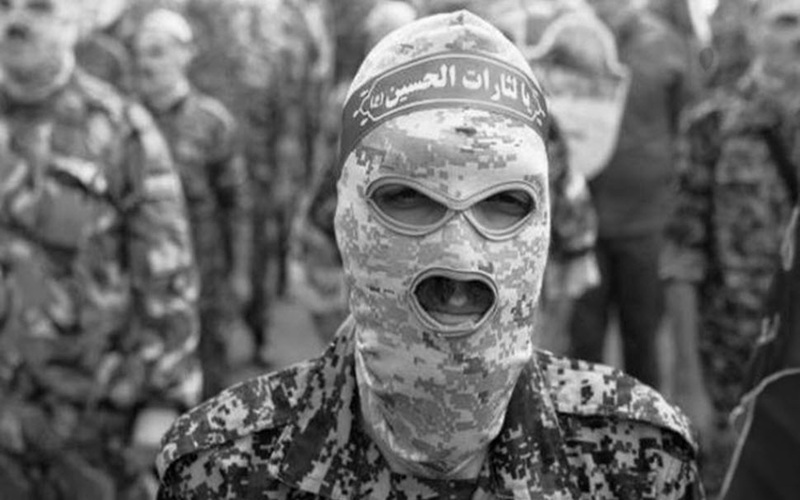

Danish intelligence officials say Iran has assumed a more prominent role in the terrorist threat facing the country, reflecting broader European concerns over Tehran’s use of intelligence networks, criminal groups, and covert operatives against dissidents and foreign targets.
Denmark’s national intelligence service has issued a new warning about the growing threat posed by the Iranian regime, stating that Tehran now plays a more significant role in the country’s terrorist threat landscape than in previous years.
In an assessment released on Friday, May 29, Denmark’s Security and Intelligence Service (PET) maintained the country’s overall threat level at four out of five. However, the agency emphasized that the nature of the threat has changed considerably, with state-sponsored actors becoming increasingly prominent.
According to Danish intelligence officials, Iran is among the countries that have gained greater importance in the threat environment, particularly due to activities targeting Iranian opposition figures living in Europe.
Growing Concern Over Iranian Intelligence Activities
Finn Borch Andersen, head of Denmark’s Security and Intelligence Service, stated that state actors have become increasingly influential in shaping the terrorist threat picture over the past year.
According to Andersen, Danish authorities assess that this trend is particularly evident in the case of Iran, which they believe poses a specific threat to certain Iranian dissidents residing in Europe, including Denmark.
The assessment reflects growing concerns among European security agencies that the Iranian regime is expanding its efforts to monitor, intimidate, and target critics abroad.
For years, Iranian opposition activists, journalists, former officials, and members of resistance organizations have warned that Tehran’s intelligence apparatus continues to operate beyond Iran’s borders, seeking to suppress dissent and silence regime opponents.
Use of Criminal Networks and Recruited Operatives
Danish intelligence officials also pointed to what they describe as a shift in the methods used by the Iranian regime.
According to the agency’s assessment, the threat associated with Iran originates from the activities of its intelligence services, which allegedly rely on criminal networks and recruited individuals in Europe to plan and carry out operations.
European security services have increasingly reported concerns that Tehran is outsourcing parts of its activities to organized criminal groups, allowing the regime to maintain a degree of distance from operations while still pursuing strategic objectives.
These concerns are not limited to Denmark. Several European countries have reported investigations and arrests in recent years linked to alleged Iranian intelligence activities.
Sweden Raises Similar Allegations
Denmark’s warning closely mirrors concerns raised by neighboring Sweden.
Sweden’s Security Service (Säpo) has previously accused Iran of using criminal gangs to conduct violent operations against Iranian opposition figures living in the country.
While Tehran has denied these accusations, European security agencies have continued to express concern about what they view as an expanding pattern of covert activities directed by the Iranian regime.
The latest Danish assessment suggests that Northern European governments increasingly see Iranian intelligence operations as a significant challenge to national security.
Regional Tensions Affecting European Security
The Danish intelligence service also linked the changing threat environment to the escalating conflict between Iran and Israel in recent years.
According to the agency, the confrontation between the two countries—particularly following Israeli and American military actions against Iranian targets earlier this year—has had broader consequences for the security environment in Western countries.
The agency noted that the conflict has produced indirect effects on the threat landscape in Europe, including Denmark, contributing to increased security concerns among intelligence services.
Security experts have long argued that periods of heightened tension involving the Iranian regime often coincide with increased intelligence activity abroad, as Tehran seeks to project influence and respond to perceived threats beyond its borders.
Traditional Extremist Threats Remain
Despite the growing focus on state-sponsored threats, Danish officials emphasized that traditional extremist actors continue to represent a serious danger.
According to Andersen, several attacks carried out in Western countries over the past year demonstrate that radical Islamist extremists and far-right extremists remain among the most significant security challenges facing Europe.
The assessment highlights the increasingly complex environment confronting European security agencies, which must now address both traditional extremist threats and covert operations linked to foreign governments.
British Investigation Adds to Concerns
The Danish warning came on the same day that British police announced that a Greek citizen had appeared in court on charges related to cooperation with a foreign intelligence service.
According to British authorities, the intelligence service involved is believed to be connected to Iran.
The case is the latest in a series of investigations across Europe involving suspected Iranian intelligence activities and has added to concerns about Tehran’s growing operational reach on the continent.
A Growing Security Challenge for Europe
The latest assessment from Denmark underscores a broader shift in how European governments view the Iranian regime.
While concerns about Tehran have traditionally focused on its nuclear ambitions, regional interventions, and support for proxy groups, intelligence agencies are increasingly warning about the regime’s direct activities inside Europe.
As investigations continue across several countries, European authorities appear increasingly united in their concern that Iran’s intelligence apparatus is playing a larger role in the continent’s security challenges, targeting not only foreign interests but also Iranian dissidents who have sought refuge in democratic societies.
For many observers, the Danish report serves as another indication that the Iranian regime’s campaign of transnational repression and covert influence operations remains an active and growing concern throughout Europe.