


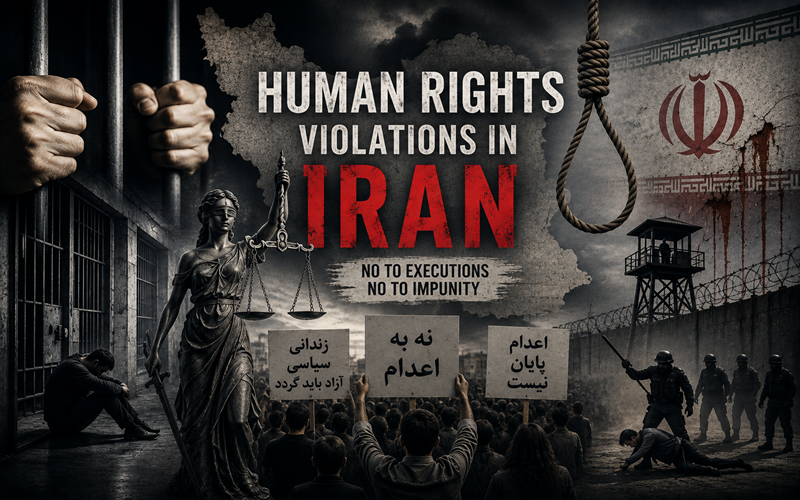

Six protesters have been executed in recent weeks in cases linked to the January 2026 uprising, while other defendants remain on death row amid mounting concerns over Iran’s use of capital punishment against political prisoners.
The Iranian regime has continued its campaign of executions against prisoners arrested during the January 2026 uprising, putting to death protesters in several cities while leaving others facing death sentences.
Recent executions in Isfahan, Shahrekord, and Mashhad reveal a recurring pattern. Protesters are prosecuted under broadly defined national-security charges, including Moharebeh—“enmity against God”—and are sentenced to death in cases involving clashes with security forces during the uprising.
The executions have also taken place as international attention focuses on Iran’s use of the death penalty ahead of the October 10 World Day Against the Death Penalty.
Rather than isolated cases, the executions form part of a broader campaign targeting those who participated in or were accused of organizing protests.
Isfahan: Two More January Protesters Executed
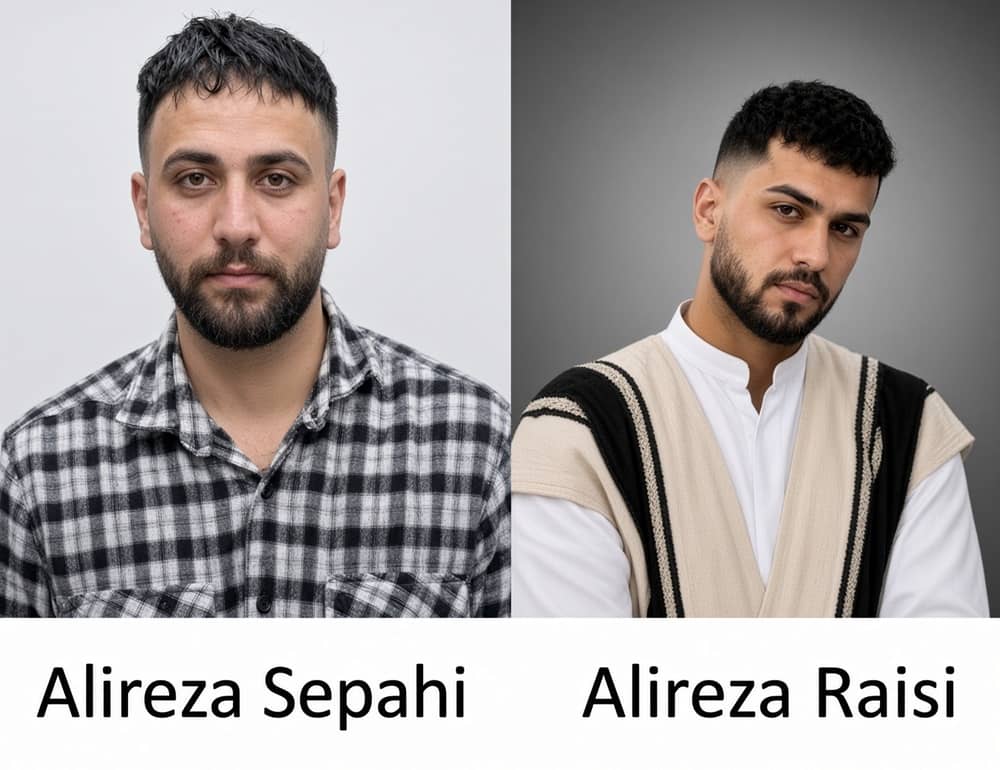
On October 5, the regime executed Alireza Sepahi, 24, and Alireza Raisi, 21, at Dastgerd Prison in Isfahan. Both had been arrested during the January uprising and sentenced to death in the case known as the “Alikhani Square” case.
The regime’s judiciary accused the two men of Moharebeh, corruption on earth, and acting against national security. The case concerned the deaths of four members of the regime’s Special Units during clashes in Isfahan.
According to the National Council of Resistance of Iran (NCRI), the death sentences were issued by judges Morteza Barati Dorcheh and Mohammadreza Tavakoli. Twenty-three other defendants in the same case received prison sentences ranging from five to 10 years, while several others remain under death sentences.
The executions followed the hanging of five other defendants in the same case—Erfan Esfandiari, Gol-Mohammad Mohammadi, Amirhossein Safari, Abolfazl Sepahi, and Ghaem Hosseini—in July and August.
The NCRI has said that defendants in the case were denied the right to select their own lawyers and that court-appointed defense attorneys were denied access to case files.
The organization had previously warned international bodies about the impending executions, calling for intervention to save the prisoners.
Shahrekord: Siavash Jamshidi Executed
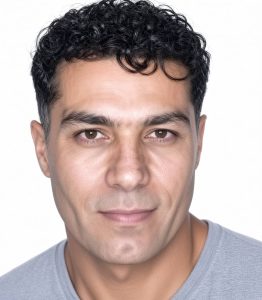
On October 3, the regime executed Siavash Jamshidi Kheirabadi, another prisoner arrested during the January uprising, in Shahrekord.
The judiciary charged him with Moharebeh through the alleged use of a firearm, opening fire, and gathering and colluding against national security.
State media alleged that Jamshidi had repeatedly participated in the January protests, communicated with others about participation in the uprising, and used cyberspace to organize what the judiciary described as “anti-security” activities.
The judiciary also alleged that he had fired at police officers with a military weapon and was arrested with a Colt pistol, while an M4 rifle and ammunition were allegedly found in his possession.
The regime subsequently portrayed him as a criminal with a history of offenses, a characterization that accompanied its justification for the execution.
The case illustrates the broad range of accusations used to prosecute January protesters, with participation in the uprising combined with allegations of armed activity and national-security offenses.
Mashhad: Executions of Ali Hemmati and Majid Nik-Andish
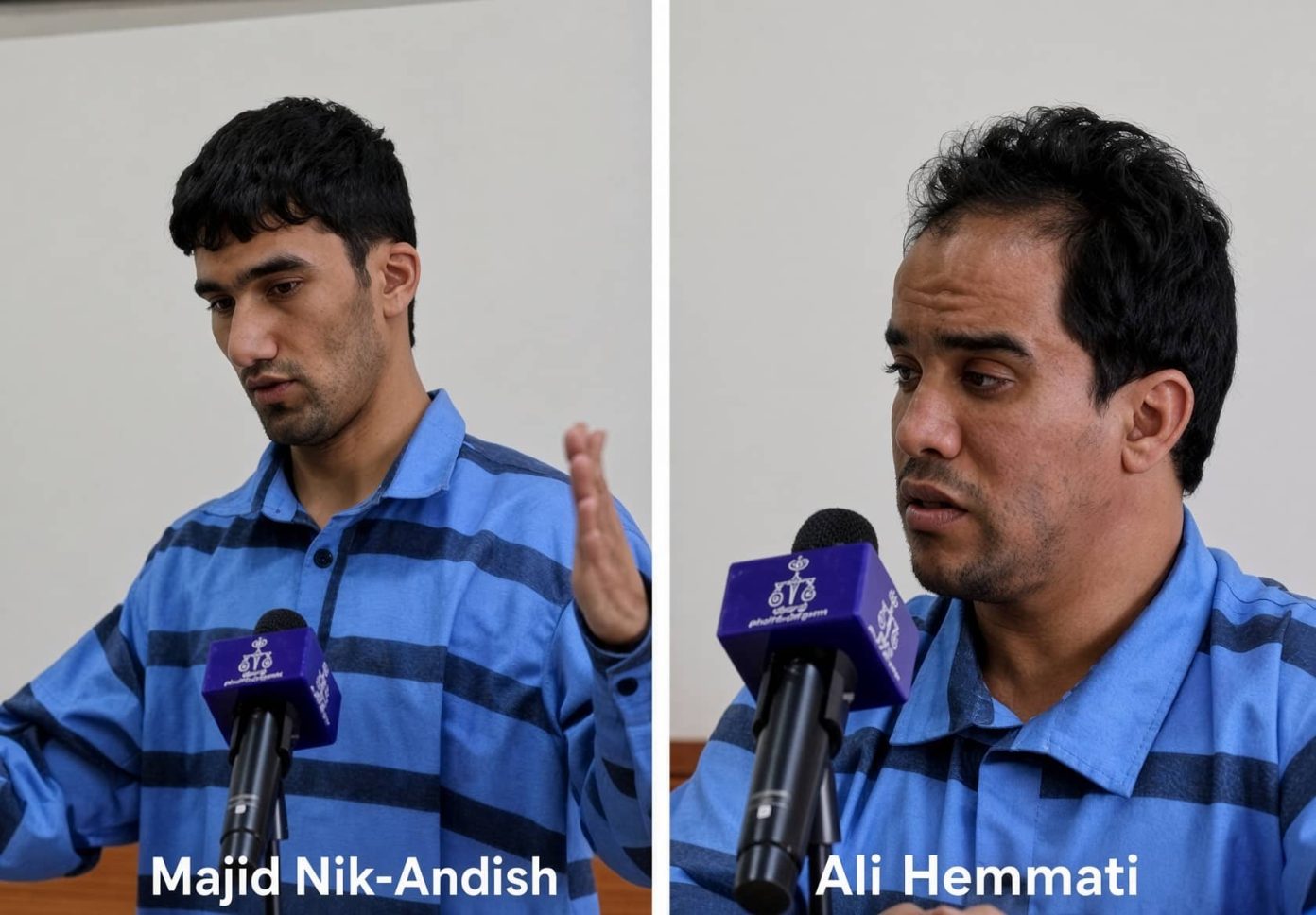
In Mashhad, the regime executed Ali Hemmati, 21, and Majid Nik-Andish, 25, on September 30.
Both had been arrested during the January uprising and were accused by the judiciary of being among the “leaders” of protests in the Tabarsi area of Mashhad.
According to the regime’s account, the two men were charged with acting against national security, blocking streets, damaging and burning banks, using Molotov cocktails, confronting security forces, and disrupting public order.
The judiciary linked the case to the deaths of four security personnel during clashes in the Tabarsi area.
The executions followed the May execution of three other defendants in the same Mashhad case: Mehdi Rasouli, Mohammadreza Miri, and Ebrahim Dowlat-Abadi. The judiciary had accused Dowlat-Abadi of directing protesters toward government buildings and state media facilities during the uprising.
Together, these cases demonstrate the extent to which the regime has continued pursuing January protesters months after the uprising itself.
A Broader Campaign Against Uprising Prisoners
The recent executions are significant not only because of the individuals killed, but because of the number of other prisoners whose cases remain unresolved or whose death sentences are still active.
In Isfahan alone, several defendants in the Alikhani Square case remain under death sentences. Their cases now carry the immediate risk of further executions.
The sequence also shows a geographical spread, with executions reported in Isfahan, Shahrekord, and Mashhad. The regime is continuing to use capital punishment against prisoners associated with the January uprising while simultaneously maintaining a broader apparatus of arrests, prosecutions, and repression.
The recurring use of Moharebeh and other national-security charges is particularly significant. These provisions give the judiciary broad scope to impose the death penalty in cases arising from political unrest.
Executions as a Tool of Intimidation
The Iranian Resistance has characterized the executions as an attempt to intimidate a population that challenged the regime during the January uprising.
Maryam Rajavi, President-elect of the NCRI, has repeatedly called for international intervention to halt executions of political and uprising prisoners and has urged the United Nations to refer Iran’s record of arbitrary executions and systematic human-rights violations to the Security Council.
The immediate concern is the prisoners who remain on death row. The execution of one group does not end the cases; instead, it leaves other defendants facing the same fate.
The recent killings therefore underscore a broader question about Iran’s use of the death penalty: whether capital punishment is being employed not only as a judicial penalty but also as an instrument for suppressing political dissent and deterring future protests.
With the World Day Against the Death Penalty approaching on October 10, the executions of January uprising prisoners have once again placed Iran’s use of capital punishment under international scrutiny.
For the prisoners still facing execution, the urgency is immediate. Their cases demonstrate that the death sentences issued after the January uprising remain an active mechanism of repression, even months after the protests themselves.