


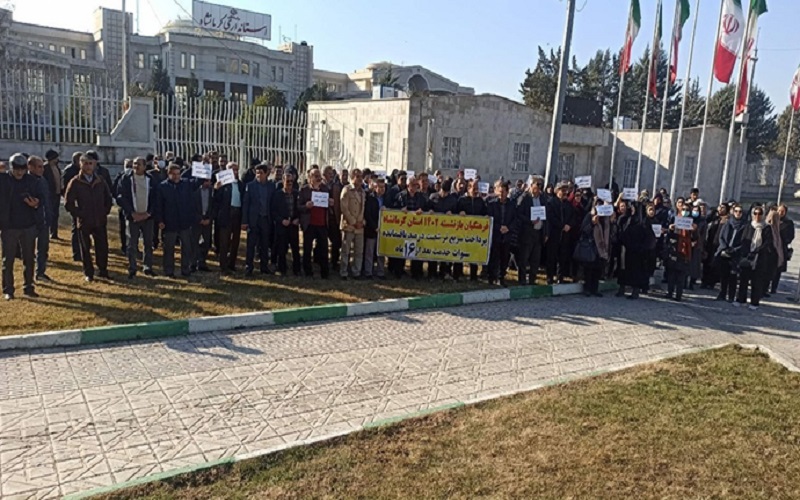

The Iranian regime has ushered in the new year (2025) facing a weakened regional position, an escalating economic crisis, widespread dissatisfaction across multiple sectors, and severe public anger. Ordinary Iranians are acutely feeling the impact of rising inflation, a devaluing national currency reduced purchasing power, and increased tariffs on essential utilities such as water, electricity, and gas.
Disputed Inflation Statistics
After nearly two years of withholding data, the Central Bank of Iran (CBI) resumed publishing inflation statistics, claiming an annual inflation rate of 36.3% in December, with point-to-point inflation at 33.8% and monthly inflation at 1.7%. However, these figures differ significantly from those of the Iranian Statistics Center, a discrepancy that has not gone unnoticed by domestic media.
Jahan-e Sanat, a prominent newspaper, highlighted these inconsistencies in an analytical report, noting a 3.8% gap in annual inflation and a 2.4% disparity in point-to-point inflation between the two authorities. Such statistical contradictions are part of the regime’s frequent tactics to obscure the true severity of the economic crisis.
In April 2022, the Iranian Statistics Center reported inflation below 40% following a base-year adjustment from 2016 to 2021. Critics accused the government of manipulating data to mask the fallout from its so-called “economic surgery,” which had triggered sharp price hikes. Similarly, the CBI’s recent inflation statistics appear to be another attempt to downplay the dire situation.
Shifting Blame and Rising Exchange Rates
CBI Governor Mohammadreza Farzin recently attributed the unprecedented rise in exchange rates to a foreign-based website, effectively deflecting responsibility from the government. Like the inflation statistics, this explanation sparked widespread mockery on social media and drew criticism from analysts. Over the past four months, the exchange rate has surged by over 30,000 tomans, prompting warnings from experts about a potential “economic collapse.”
Shrinking Public Support and Budget Cuts
Faced with an empty treasury, the regime has sought to cut costs by targeting subsidies. Hassan Nowrozi, head of the Subsidy Targeting Organization, announced plans to eliminate cash subsidies for the 8th to 10th income deciles, which affect over 25 million people—about one-third of the population. While this measure might provide some fiscal relief, it fails to address the regime’s significant budget deficit.
The Cost of Mismanagement
A comparison of basic goods and services prices over the past three years paints a grim picture of the regime’s mismanagement. Red meat prices have quintupled, chicken prices have tripled, and other food staples have seen increases ranging from 250% to 450%. Meanwhile, wages for workers and retirees have risen minimally, eroding purchasing power. Today, the minimum wage covers only a quarter of a typical household’s living expenses.
Labor activists have repeatedly warned that workers’ wages are insufficient to cover basic needs. Many workers report that their salaries barely last three days, with rent consuming the remainder. This economic strain has forced some workers to take up informal jobs to survive.
Compounding Crises
Adding to the livelihood crisis are energy shortages and potential gasoline price hikes, both exacerbated by the regime’s foreign policy tensions and ineffective internal management. These overlapping crises underscore the fragility of Iran’s economy and the mounting challenges facing its citizens.