


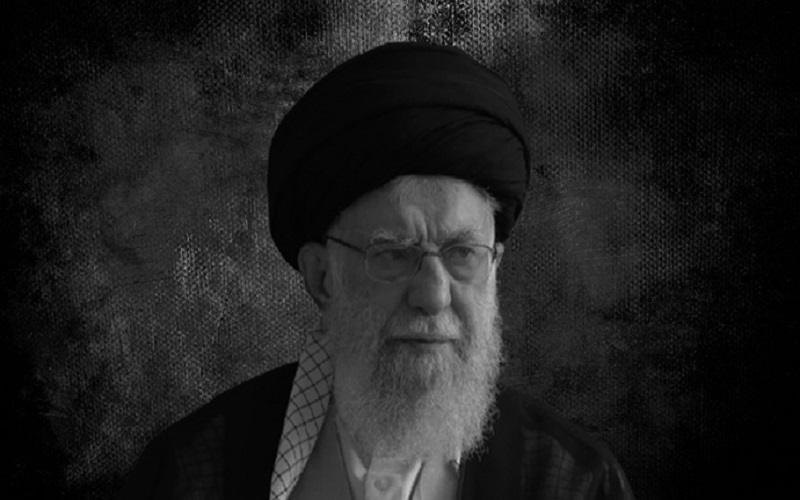

A growing wave of despair is sweeping through those who once believed in the invincibility of the so-called “Resistance Axis”—an alliance led by the Iranian regime in the Middle East. This sense of disillusionment is palpable both inside and outside Iran, signaling a critical juncture for the regime and its supporters.
The Fall of Assad and the “Resistance Axis”
The regime of Bashar al-Assad, long considered a cornerstone of the Resistance Axis’s strength, has been a symbol of Iranian influence in the region. However, Assad’s collapse has not only diminished Iran’s regional clout but also emboldened its rivals. For followers of Iran regime’s Supreme Leader, Ali Khamenei, this development has exposed serious flaws in their strategic calculations. What was once seen as a meticulously planned strategy now appears overly optimistic, sparking a crisis of confidence in Khamenei’s leadership.
The potential emergence of a democratic government in Syria could further shift the regional balance of power, isolating the Iranian regime and weakening its proxy network. Such a scenario threatens to undermine Iran regime’s alliances and diminish its standing among its ideological followers.
Domestic Fallout: A Crisis of Confidence
Within Iran, the regime’s social base is grappling with mounting despair. Many supporters have begun questioning the efficacy of the regime’s foreign policy, particularly its costly involvement in Syria. This introspection has fueled calls for a reevaluation of Iran’s regional strategy and priorities.
As the dust settles, Khamenei faces the daunting challenge of rallying his support base amid growing discontent. The collapse of Assad’s regime could act as a catalyst for ideological and strategic shifts among Khamenei’s followers, forcing them to confront the harsh realities of a rapidly changing Middle East.
Psychological Shifts Favoring the Opposition
The repercussions of these developments extend beyond foreign policy, influencing the internal dynamics between the regime and Iranian citizens, many of whom seek a regime change. The psychological impact of Assad’s downfall has shifted momentum toward the opposition, strengthening their resolve in the ongoing political struggle against the regime.
This shift is significant. A weakened regime facing successive regional failures has created an environment where more Iranians perceive the regime as vulnerable. This perception undermines the regime’s ability to rely on intimidation and repression, emboldening dissidents to build a collective identity and mobilize for change.
Eroding Confidence Among Regime Loyalists
While the extent of dissatisfaction among regime supporters remains unclear, signs of growing disillusionment are evident. Two distinct factions have emerged: one blames the regime’s core leadership for its failures, while the other questions the very principles underpinning its policies.
A stark indication of Khamenei’s waning authority came from a warning issued by Tasnim News Agency, a media outlet affiliated with the Islamic Revolutionary Guard Corps (IRGC). The warning emphasized the need for unwavering loyalty to Khamenei, urging followers to “not deviate…either to the right or to the left.” Similarly, Hadi Zarei, a member of the Quds Force in Syria, openly criticized the regime’s mismanagement in a video interview, highlighting how inflated claims of success have backfired.
The Regime’s Media Campaign
In recent weeks, state-run media has attempted to mitigate the growing despair among regime supporters. Following Khamenei’s directives, they have stressed the importance of avoiding arrogance in victory and despair in defeat. However, these efforts have done little to prevent criticism or to bolster the regime’s credibility.
The Road Ahead
Given the regime’s increasing vulnerabilities, it is reasonable to expect that the combination of regional setbacks and internal discontent will accelerate its decline. The rapid and unpredictable developments in the Middle East could further erode the regime’s ability to maintain its grip on power, ultimately weakening its capacity for suppression.
As Iran’s Resistance Axis continues to falter, the regime faces a precarious future. Whether it can adapt to these challenges or whether these pressures will lead to its unraveling remains to be seen. One thing, however, is certain: the psychological and strategic landscape has shifted irrevocably, both for the regime and its opposition.