


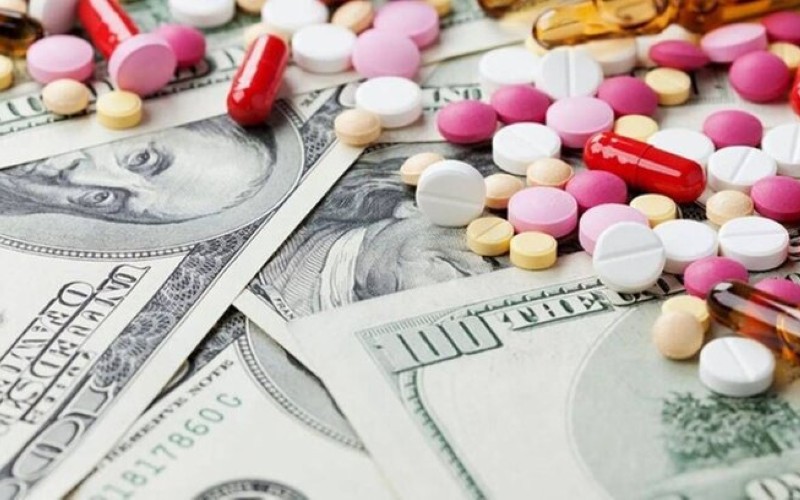

Mismanagement, monopolies, and failed programs leave Iranians paying 70% more for medicine and medical care.
Reports from multiple Iranian media outlets confirm that domestic economic policies, rather than international sanctions, are behind the dramatic rise in drug and medical costs in Iran.
According to Rouydad24, the implementation of the “Darouyar” program and the removal of the 4,200-toman preferential exchange rate have caused the cost of medicine, medical equipment, and healthcare services to increase by an average of 70%. The program, originally intended to cover the price difference through insurance, has failed to protect citizens, leaving the financial burden directly on patients.
The report cites three main causes for this surge:
- Darouyar’s failure has shifted costs to patients instead of insurance coverage.
- Financial imbalances in social security and insurance organizations, coupled with fixed medical tariffs, prevent effective reimbursement of costs.
- Profit-driven networks and drug mafias manipulate supply, hoard essential medicines, and maintain artificially high prices.
Khorasan Daily also highlighted that monopoly-like practices in importing and distributing medicine allow certain companies to keep prices artificially high.
This is not the first report of skyrocketing medicine prices. Previous reports from within Iran show that essential medicines, from cold syrups to specialized drugs, have multiplied in cost in recent months, forcing citizens to visit multiple pharmacies to secure necessary supplies.
Even the regime officials have acknowledged the crisis. On Oct 4, the parliamentary Health Commission warned of potential “humanitarian disasters” caused by delays in providing foreign currency for medicines, with spokesman Salman Eshaqi blaming the Central Bank’s mismanagement for the situation.
These reports make it clear that the regime’s mismanagement, monopolies, and corruption—not sanctions—are driving the healthcare crisis, contradicting official claims blaming international pressure.