


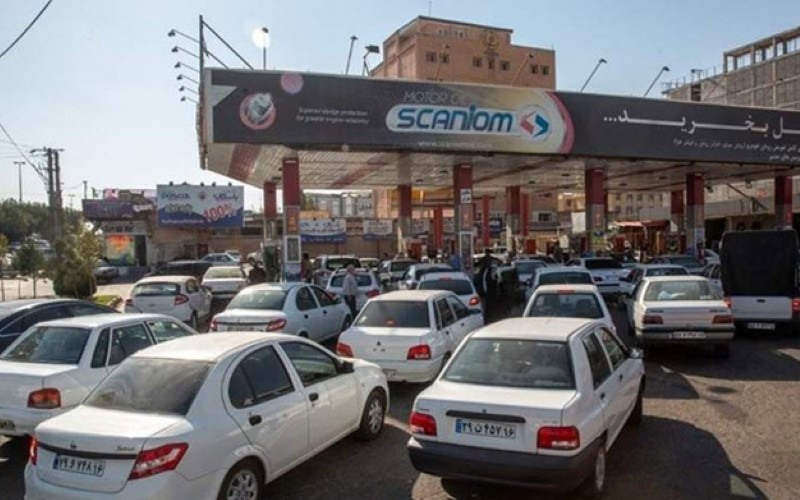

Officials admit catastrophic mismanagement of the 2019 price hike as new signs of fuel restrictions spark public concern
The Iranian regime is once again confronting widespread anxiety over the rising gasoline prices, a fear rooted in the traumatic fallout of the 2019 fuel hike that triggered nationwide protests and a deadly crackdown. Officials and industry representatives are now openly acknowledging the regime’s failure in managing that crisis, revealing both internal panic and deep public distrust.
Reza Sepehvand, a member of the regime’s parliament, warned that any adjustment to fuel prices must correspond to real increases in household income. He emphasized that when people’s earnings are already far below subsistence levels, any sudden price hike risks provoking social unrest similar to the events of 2019. According to him, parliament will oppose any increase in gasoline prices under current conditions because the economic pressure on families has reached breaking point.
State-run outlet Rokna highlighted similar concerns through remarks by Reza Navaz, spokesperson for Iran’s gasoline station owners’ association. Navaz described the 2019 fuel price increase as “the worst decision and implementation” in recent memory, noting that the chaotic rollout inflicted extensive damage and even led to the death of one station employee. He said this disastrous experience has made successive governments fearful of repeating any price adjustments and has pushed them to delay increases until currency fluctuations force their hand.
Navaz recounted that a Tehran-based MP had warned a senior official just hours before the 2019 hike that both the amount of the increase and the method of implementation were dangerously flawed. The official reportedly dismissed the concerns, insisting that nothing significant would happen and predicting damage to no more than 150 fuel stations. The events that followed exposed the depth of this miscalculation and have since shaped the government’s intense fear of altering gasoline prices—even on a small scale.
Despite official claims of stability, new signs on the ground suggest tightening fuel access. Reports from Shahriar indicate that gas stations have begun posting notices informing customers that fuel is only available with personal fuel cards. The stations’ shared “free-use” cards have reportedly been depleted, leaving many motorists unable to purchase subsidized fuel. Since personal cards allow only 60 liters per month—far below the needs of most households—drivers are being pushed toward more expensive gasoline. Residents say that the 3,000-toman tier of fuel is no longer available at these stations, a move that effectively forces people to buy at higher prices.
These developments have heightened public concern and fueled speculation that the regime may be preparing for another pricing shift while attempting to avoid the public backlash associated with an official announcement. The government’s hesitation reflects a deep awareness of the explosive social consequences tied to fuel policy. For millions of Iranians already struggling under soaring inflation and stagnant wages, even minor changes in gasoline access can tip daily life into crisis.
The resurfacing tension around fuel prices underscores the regime’s broader economic instability. With internal officials admitting past failures and new restrictions already felt at stations, the gasoline price crisis in Iran remains a potent symbol of the regime’s fear, fragility, and inability to manage the economic realities confronting ordinary citizens.