


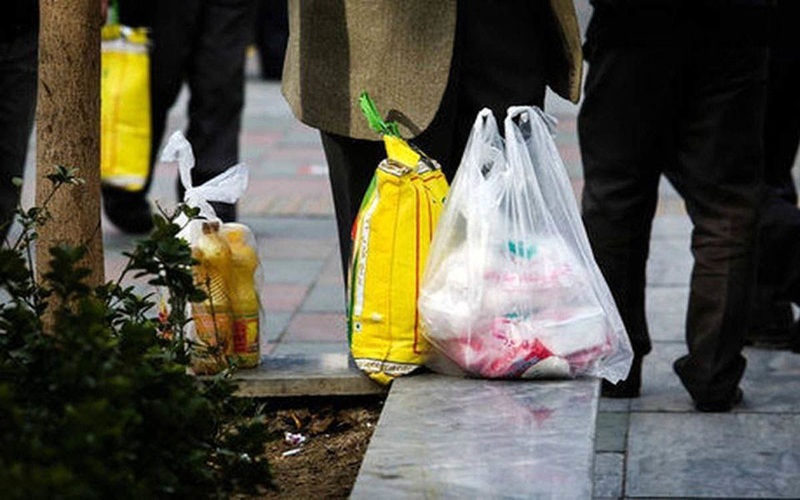

Regime-linked media acknowledge soaring poverty, collapsing purchasing power, and opaque economic governance, reinforcing that Iran’s deepening livelihood crisis stems from systemic corruption and political decision-making rather than external events.
For years, the Iranian regime has attempted to portray the country’s worsening cost-of-living crisis as the result of sanctions, war, or external pressure. Yet the mounting evidence—including admissions from state-controlled media—points to a different reality. Iran’s economic collapse is not a sudden phenomenon, nor is it primarily the consequence of recent regional conflicts. It is the product of decades of political mismanagement, institutionalized corruption, and policies designed to preserve the ruling establishment rather than improve the lives of ordinary citizens.
While official agencies routinely publish statistics on inflation, poverty, and unemployment, they rarely address the structural causes behind these crises. The focus remains on describing the symptoms while avoiding any serious examination of the political system that has produced them.
That pattern was again evident in a report published on July 29 by the regime-affiliated newspaper Tose’e Irani, which interviewed a welfare policy analyst about Iran’s latest poverty and inflation trends. Although the report stopped short of assigning responsibility to the regime’s leadership, its findings painted a grim picture of the country’s socioeconomic conditions.
Among the most striking admissions were:
- Inflation continues to accelerate at an alarming rate.
- Household purchasing power has dramatically deteriorated.
- The number of people living in poverty has increased tenfold over the past five to six years.
- More than half of Iran’s population is now impoverished.
- Iran has one of the world’s lowest wage levels.
- According to estimates by the regime’s own parliamentary research center, approximately 41 percent of the population lived below the poverty line in 2026.
These are not isolated observations. Similar warnings have repeatedly appeared in regime-controlled media over recent years, highlighting a persistent deterioration in living standards. Yet despite the growing body of evidence, official discussions consistently avoid identifying the root cause of the crisis.
State Media Reveal the Political Nature of Economic Collapse
Even within the regime’s own media, occasional acknowledgments expose the political dimensions of Iran’s economic dysfunction.
The same Tose’e Irani report admitted that Iran’s economic system lacks transparency, that national resources are not distributed fairly, and that the country’s wage system is fragmented and unequal. More significantly, it acknowledged that even defining the official poverty line has become a political issue, with successive governments refusing to publish or formally recognize it.
Such admissions illustrate that economic indicators themselves are not the fundamental problem. Rather, they reflect the consequences of deliberate policy choices made within an opaque political system where economic planning serves the interests of the ruling elite instead of the public.
Corruption at the Center of the Crisis
The newspaper also published another report under the headline, “The Mystery of the $11 Billion Looting by the Regime’s Trusted Insiders,” referring to allegations of massive financial corruption involving individuals connected to the establishment.
Although the report provided few details regarding those responsible, the headline itself underscored the widespread perception that large-scale financial abuses are neither isolated nor accidental. Instead, they are viewed as products of networks operating with political protection and limited accountability.
Notably, these allegations emerged during a period when the regime has claimed to prioritize national interests amid wartime conditions. Critics argue that while officials invoke patriotism and national security, ordinary Iranians continue to bear the costs through inflation, declining incomes, shortages, and worsening poverty.
A Crisis Rooted in Governance
Iran’s deepening livelihood crisis cannot be understood solely through inflation rates or poverty statistics. Those figures are merely indicators of a broader governance failure.
The concentration of political power, the absence of transparency, systematic corruption, preferential allocation of national resources, and ideological control over economic policy have together created one of the widest socioeconomic divides in Iran’s modern history.
As long as political considerations outweigh economic reform and public welfare remains subordinate to preserving the ruling establishment, improvements in living standards are likely to remain elusive.
For millions of Iranians, the struggle against poverty has become inseparable from demands for accountable governance, transparency, and an end to systemic corruption. The country’s economic future ultimately depends not only on financial reforms but on addressing the political structures that have produced decades of economic decline.