


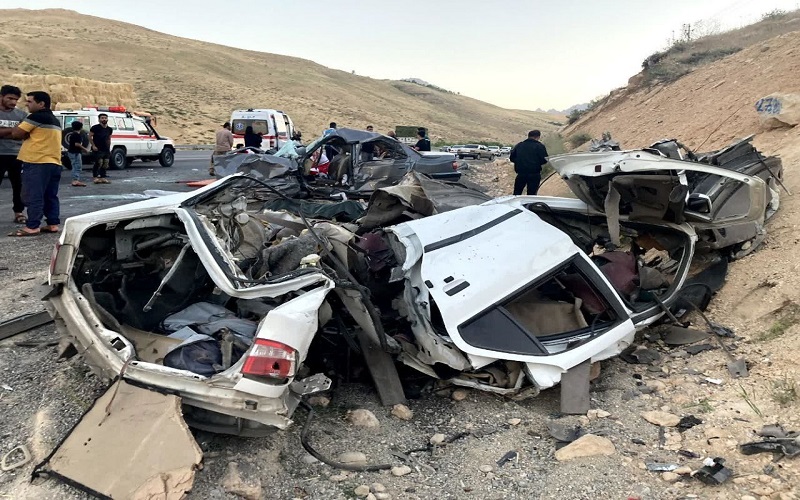

In a concerning revelation, the head of Iran’s trade association of car scrapping centers, Mahmoud Mashhadi Sharif, announced that a staggering 37% of cars on the road in Iran are outdated and should be scrapped. This translates to over 13 million of the 35.159 million vehicles currently in circulation being classified as obsolete.
A Closer Look at the Numbers
The statistics reveal a particularly high percentage of worn-out vehicles in the passenger fleet. Notably, nearly 190,000 of the approximately 400,000 taxis are considered outdated. This troubling trend indicates a significant failure in Iran’s car scrapping initiative, despite extensive promotional efforts over the years. Public receptivity to the plan has remained low.
Regulatory Standards and Economic Realities
According to Article 10 of the Automobile Industry Regulation Law, the depreciation age for private cars is set at 20 years, while for public vehicles in the transport fleet, it is 12 years. However, since 2017, the scrapping rate of used cars in Iran has sharply declined. This decline is closely linked to the soaring car prices in the country. Under current economic conditions, maintaining an older vehicle remains financially viable, even when factoring in wear and tear.
Impact of Economic Constraints
The years 2020 and 2021 saw a dramatic 90% decrease in the car scrapping process, leading to the closure of 85 car scrapping centers. One significant factor contributing to this decline is the inadequacy of incentive loans for replacing old cars. Many car owners find themselves unable to afford new vehicles, opting instead to continue using their outdated ones.
Safety and Environmental Concerns
Reports indicate that worn-out cars are frequently used for intercity travel in smaller cities, contributing to an increase in road accidents. The rise in fuel wastage and the decline in car safety are among the most significant consequences of the aging vehicle fleet. The Parliament Research Center previously reported that scrapping each worn-out car could save 2,000 liters of gasoline per year. Given a 14.3% increase in fuel consumption for older cars, scrapping 300,000 cars annually could result in over $540 million in economic benefits through reduced gasoline consumption.
Sector-Specific Issues
Motorcycles represent the highest share of wear and tear among vehicles, with nearly 90% of the country’s operational engines being outdated. Intra-city buses (82%), intercity buses (57%), and taxis (48%) also show high levels of wear and tear, underscoring the substantial contribution of government institutions to fuel wastage due to the non-renewal of transport fleets.
Failed Initiatives and Market Realities
Recent news about the potential requirement to import cars in exchange for scrapping replacement vehicles sparked renewed interest in vehicle replacement. However, the subsequent denial of this rumor, coupled with the failure of the car import plan, once again dampened enthusiasm for scrapping outdated cars. Experts point to the import ban and the high cost of domestic cars as primary reasons for the reluctance of used car owners to participate in the scrapping plan.
Amirhassan Kakaei, an automobile industry expert, emphasized in September 2022 that the government’s policies have led domestic automakers to shy away from producing economical cars, thereby reducing the ability to replace outdated vehicles. To address this issue, he suggests that incentive plans should align with market realities and that regulations under the Clean Air Act, which governs how car wear and tear is calculated, need to be revised.
A Growing Concern
The figure of 37% of obsolete cars is alarming, particularly when some media sources in 2023 suggested that this number could exceed 47% if the vehicle age criterion is strictly applied. Public vehicles account for a larger share of this problem compared to private cars, highlighting the urgent need for effective policies and incentives to rejuvenate Iran’s aging vehicle fleet.
In conclusion, Iran faces a significant challenge with a large portion of its car fleet being outdated and worn out. Addressing this issue requires a multi-faceted approach, including better incentive programs, revised regulations, and policies that reflect the economic realities of car ownership in Iran. Without these measures, the safety, environmental, and economic impacts of an aging vehicle fleet will continue to worsen.