Public Hangings and Secret Death Sentences Intensify as Khamenei Seeks to Crush Dissent
In a stark display of repression, the Iranian regime has intensified its use of the death penalty in what human rights observers describe as a calculated attempt by Supreme Leader Ali Khamenei to maintain control amid mounting domestic unrest and international scrutiny.
According to credible human rights sources, at least 26 prisoners were executed across Iran between July 8 and July 12. These executions took place in multiple cities, including Arak, Ahvaz, Bukan, Tabriz, Rasht, Zanjan, Shiraz, Qazvin, Qom, Karaj, Miandoab, and Nahavand. Two of the executions were carried out publicly in Bukan and Miandoab, under direct orders from the regime’s judiciary.
The condemned individuals faced a range of charges, most commonly murder and drug-related offenses. One of the most publicized cases was the execution on July 12 of a man convicted of murdering six-year-old Nian Chalabiani (Jabrailpour) in Bukan. His hanging was conducted in full public view as part of the regime’s attempt to project force and instill fear.
Other documented executions during this five-day period included:
- Two prisoners in Qom Prison on July 9,
- Two in Adelabad Prison in Shiraz, three in Karaj Central Prison, one in Lakan Prison in Rasht, one in Nahavand Prison, and another in Miandoab on July 8,
- Four in Zanjan Prison, two in Qazvin Prison, and one in Sepidar Prison in Ahvaz, also on July 8,
- Eight additional executions reported by human rights organizations, including one in Arak Prison, two in Tabriz, and five in Qom, one of whom was a woman.
While these 26 cases were confirmed by independent human rights groups, only two of them were acknowledged by Iran’s state-run media. This level of opacity reflects a broader pattern: over the past five years, only six percent of executions in Iran have been publicly announced, while 77 percent were carried out in secret, without any official disclosure.
Reports also indicate that many prisoners were denied the right to a final visit with their families before execution, highlighting the regime’s increasing disregard for basic legal and humanitarian standards.
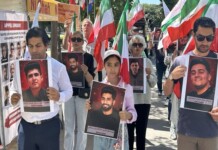
This sharp rise in executions comes as the regime faces growing dissent at home and international condemnation abroad. Activists argue that Khamenei is resorting to executions as a tool of intimidation, aimed especially at silencing Iran’s youth—many of whom have been arrested in recent months for protesting the regime’s policies, corruption, and repression.
The international community and Iranian diaspora have responded with growing alarm, calling for urgent action to halt the executions and hold the regime accountable for its systemic violations of human rights. As public anger simmers beneath the surface, the Iranian regime appears determined to maintain its grip on power through a campaign of fear, brutality, and silence.