Recent statistics reveal an unprecedented increase in executions in Iran following Masoud Pezeshkian’s ascension to the presidency. Human rights organizations are urgently calling for decisive action from the international community in response to this alarming trend.
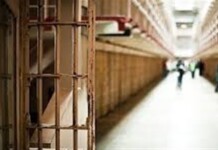
In the 32 days following Iran’s presidential elections, at least 81 prisoners have been executed across various Iranian prisons. Notably, 20 of these executions occurred in Qazalhasar prison in Karaj alone. This sharp rise in executions has prompted the Iranian diaspora to appeal to international authorities and human rights organizations to intervene, demanding an end to the executions and advocating for prisoners’ rights in Iran.
These state-sanctioned killings by the Iranian regime demonstrate a blatant disregard for the right to life, the rule of law, and accountability to the international community. The United Nations and governments worldwide are being urged to send a clear message to the regime that these atrocities will not go unchallenged. Failure to do so, warn activists, may lead to further acceleration of executions.
Reports indicate that on August 7 alone, at least 29 prisoners were executed: 26 in Qazalhesar and three, including two women, in Karaj Central Prison. This surge in executions, occurring on the eve of Pezeshkian’s new cabinet introduction, is seen as a manifestation of the regime’s fear of potential uprisings. The number of executions in the past four days has reached a staggering 42, setting a new record unseen in the past three decades.
The “execution machine” of the Islamic Republic has gained momentum, with at least 300 people executed in Iran during the first seven months of this year. Alarmingly, only 28 of these executions were officially announced through regime media or official sources, while the rest were confirmed by independent human rights organizations.
Critics argue that the regime is attempting to normalize executions as a daily occurrence, using it as a tool of sovereignty. There appears to be no distinction between the so-called principlist and reformist factions when it comes to this practice. Regardless of election outcomes or the political leanings of the president, executions have continued to increase.
It has been observed that whenever an election brings an apparently unprincipled faction to power, the regime’s judiciary responds by escalating the number and frequency of executions. Conversely, all presidents, including those labeled as reformists or moderates, have approved both political and non-political executions, effectively aligning themselves with the will of the regime’s supreme leader and the judiciary.
This disturbing pattern highlights the urgent need for international intervention to address the human rights crisis in Iran and put an end to the regime’s use of execution as a means of control and intimidation.